
Frankfurt, May 12, 2026, 15:58 (CEST)
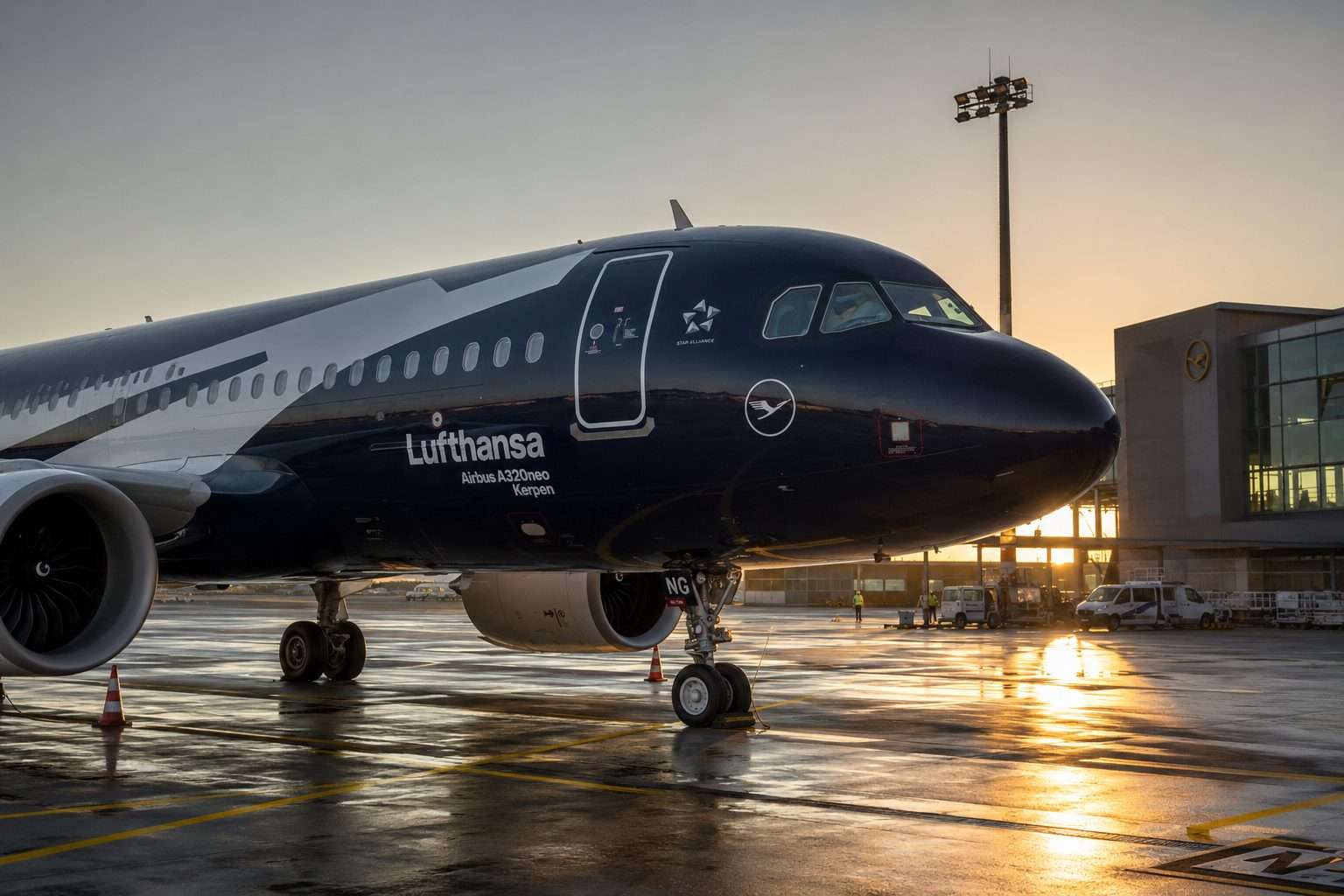
Lufthansa Group is set to spend $7.7 billion at list prices on 20 new long-haul jets, locking in 10 Airbus A350-900s and 10 Boeing 787-9 Dreamliners as part of a broad fleet renewal. The German airline group’s supervisory board signed off on the order Monday, following a green light from its executive board.
Timing is a key factor here. Lufthansa is moving to secure extra widebody capacity—think large, twin-aisle jets for long-haul runs—as European carriers continue grappling with high fuel bills, labor issues, and slow aircraft handovers. The freshly ordered jets won’t arrive until sometime between 2032 and 2034, placing the deal well past the present travel cycle.
The order comes just days after Lufthansa reaffirmed its profit forecast for 2026, even after taking a 1.7 billion euro hit from higher jet-fuel costs. The airline pointed to hedging, price hikes, and ongoing cost reductions to offset the squeeze. Fuel isn’t just background noise—it’s a key driver behind the industry’s push for newer, more efficient planes.
Chief Executive Carsten Spohr described the deal as “a clear commitment to a modern fleet,” highlighting that the Airbus A350 and Boeing 787 models are “more fuel-efficient, quieter” replacements for older jets. Lufthansa is pitching the order as a key move in what it calls the largest fleet modernization effort in its history. ETInfra.com
The company hasn’t specified whether Lufthansa mainline, SWISS, Austrian, or another group carrier is getting the new aircraft—or which hub will take them. So, it’s unclear if the jets are meant for Frankfurt, Munich, or somewhere else, pushing back against the idea that only those bases are in play.
Lufthansa Group’s backlog now stands at 232 new aircraft, following the latest order—107 of those are next-gen long-haul models. The group already flies both A350s and 787s in several divisions, which sets them up for smoother crew training, maintenance, and parts logistics as the new planes join the fleet.
The split order keeps the two planemakers locked in. Airbus secures another A350 pledge from a top European carrier. Boeing, meanwhile, picks up more 787 orders from an airline with plenty of long-haul fleet gaps to fill. Last year, British Airways parent IAG jumped in with its own widebody order from both Airbus and Boeing—evidence that Europe’s full-service airlines are already lining up future replacement jets.
Lufthansa expects that moving toward a more uniform fleet will help streamline operations and boost reliability. The airline points out that cutting down the number of aircraft types often leads to easier pilot training, smoother crew scheduling, and less hassle with both maintenance and spare parts.
That $7.7 billion headline number isn’t what buyers actually pay. It’s just the sticker price—airlines almost always negotiate steep discounts, especially for bulk orders like this. With deliveries scheduled well down the line, a lot can shift: suppliers might hit snags, financing could get pricier, or demand may wobble, all of which could affect the final math.
Short-term threats are front and center. Lufthansa’s forecast, Chief Financial Officer Till Streichert said last week, hinges on the airline dodging fuel supply snags and additional strikes. “Provided there are no fuel supply bottlenecks or further strikes,” Streichert told reporters, the outlook stands. Reuters
Lufthansa’s latest order isn’t about instant expansion—it’s more about gradually phasing in new jets. The move sharpens the airline’s future lineup, looking ahead to the 2030s as aging Airbus A330s, A340s, and Boeing 747s are set to retire from the fleet.