
Paris, May 12, 2026, 15:04 CEST
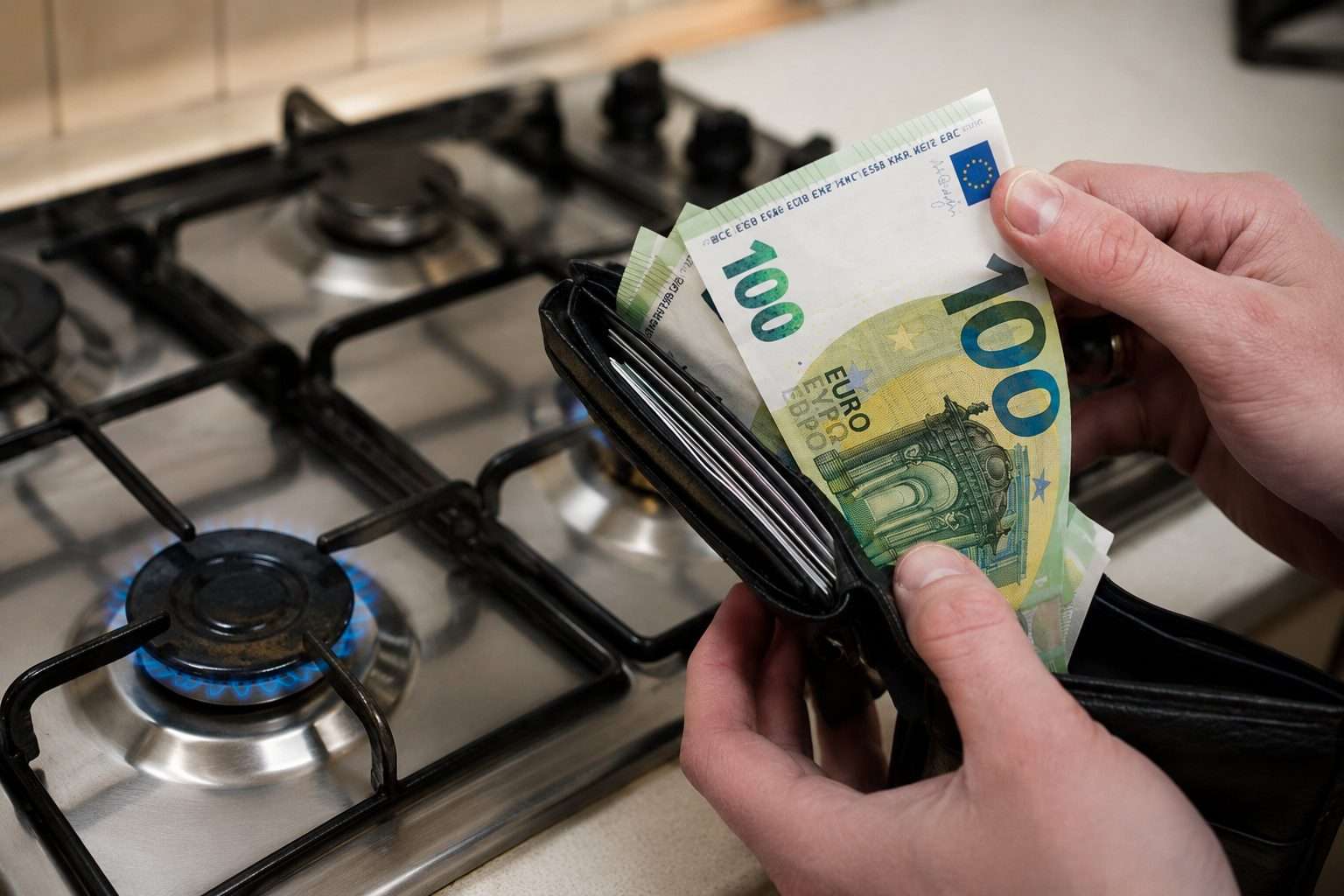
The energy regulator said France’s gas benchmark price is set to drop 4.8% from June 1, handing a small break to households on indexed contracts after May’s sharp jump. The Commission de régulation de l’énergie estimates a typical June bill will see a 1.26-euro saving, tax included.
This cut stands out as the first direct benefit to consumers after April’s dip in wholesale gas prices. Still, it does little to offset May’s jolt for most households. Any cash boost lands just as warmer weather is already curbing demand after heating season winds down.
France’s benchmark gas reference, the prix repère de vente de gaz (PRVG), drops to 152.86 euros per megawatt hour with tax as of June, down from 160.54 euros set on May 1. This isn’t a direct-to-consumer tariff; since regulated gas rates ended July 1, 2023, the PRVG serves as a monthly comparison point for supplier offers.
Roughly 6 million households—around 60% of residential gas subscribers—are on contracts tied to the reference price, which means they’ll get the June reduction. Fixed-rate gas customers make up about 40% of residential users at the end of 2025; they won’t be affected by the monthly adjustment.
The regulator clarified that, come June 1, only the supply portion adjusts. Network and storage fees—acheminement—and taxes remain untouched in June under the PRVG.
Most of the supply cost comes from EEX gas futures, with 80% pegged to month-ahead contracts and the remaining 20% linked to quarter-ahead prices. For June’s bills, the regulator based calculations on prices seen between April 1 and April 30.
According to the CRE, April’s drop tracks a pullback in gas market prices from March, when Middle East tensions had sent prices surging. The delay is key here: bills landing in June are shaped in part by how markets moved two months back.
Still, prices haven’t fully settled. According to Le Parisien, referencing AFP and the CRE, June’s benchmark sits almost 10% higher than April’s figure—this was before oil and gas costs jumped due to the Middle East conflict.
Competitive effects vary. EDF, Engie, and TotalEnergies are among suppliers letting customers pick market offers over regulated gas tariffs, but how much of that June cut shows up on a bill comes down to contract type—indexed, fixed, or other market-linked arrangements.
Matias Perea, energy analyst at Selectra, pointed out the drop in headline numbers overstates the actual savings, since June typically sees minimal gas use—boilers are off and demand mostly comes from hot water and cooking. He put the annualized effect for a standard heating profile at roughly 23 euros, but added that the monthly gain is still modest.
That relief could prove short-lived. The CRE, in a separate notice, flagged that from July 1, the regulated ATRD7 distribution tariff is set to jump 5.87% on average. That change alone tacks on roughly 1.5% to household gas bills, even before any shift in wholesale costs or tax policy.
So, for consumers, June brings a pause—not a reset. Indexed contracts drop just for the month; fixed-price deals stay put. The next billing cycle? That’s going to hinge on wholesale market shifts, regulated network charges, and ongoing volatility in the Middle East.