HONG KONG, Jan 19, 2026, 18:01 (GMT+8)
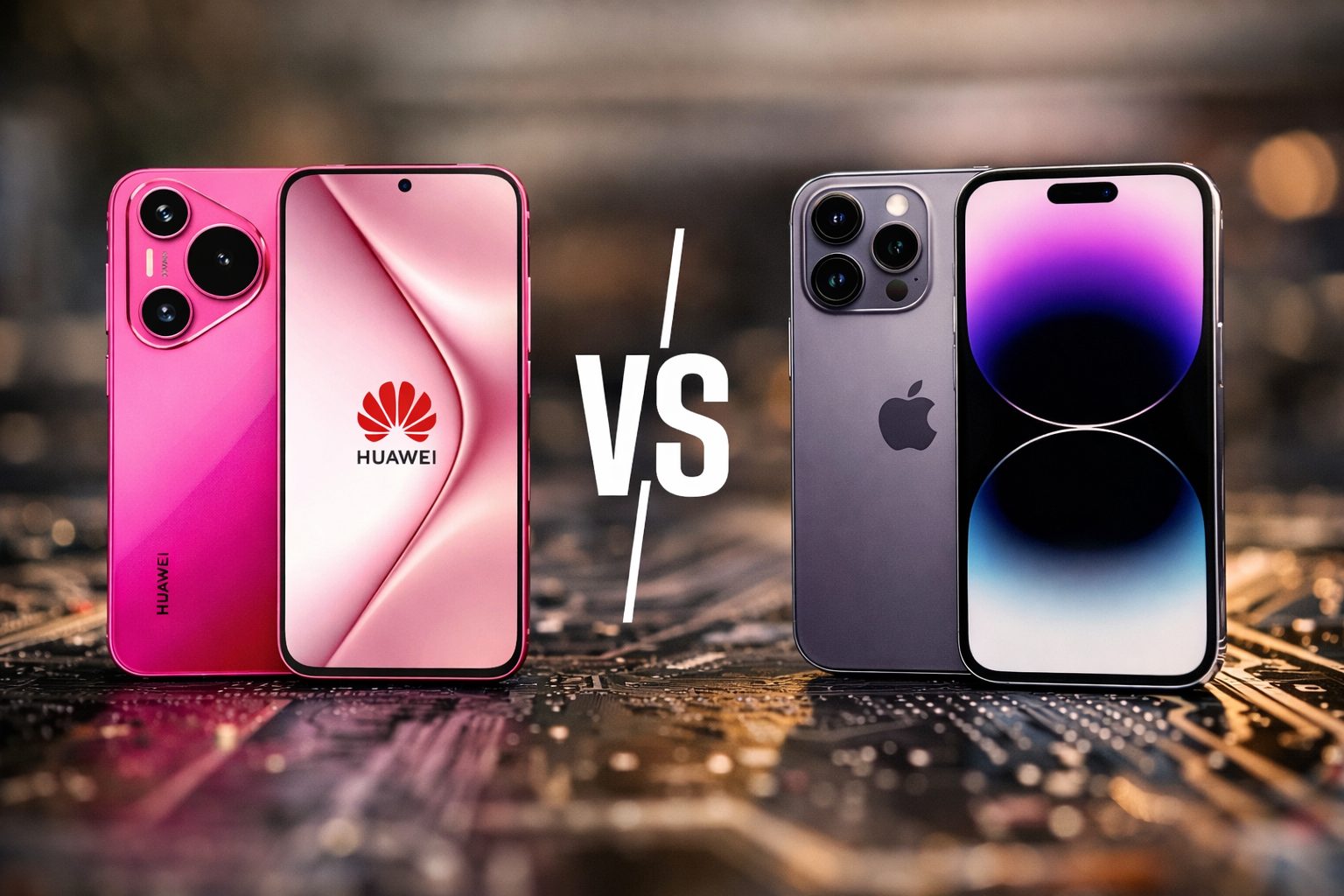
In 2025, Huawei Technologies climbed back to the top of mainland China’s smartphone market, surpassing vivo and Apple despite an overall drop in shipments, according to research firm Omdia. The company moved 46.8 million units, capturing a 17% market share as total shipments dipped 1% to 282.3 million. This marks Huawei’s first time leading the market in five years. “In 2026, rising costs will become a major challenge,” noted Hayden Hou, principal analyst at Omdia. 1
This shift is significant since China’s handset market no longer expands at its previous pace, yet it remains crucial for determining scale, shelf presence, and pricing control. To protect their margins, vendors are increasingly pushing premium, higher-priced models while consumers grow more selective.
Omdia pointed to government subsidies and promotions as crucial drivers of demand, especially toward the end of the year, but noted they didn’t spark much fresh spending. Lucas Zhong, an analyst at Omdia, explained the effect was “mainly reflected in pulling demand forward not generating organic growth.” 2
Data from the fourth quarter revealed just how quickly rankings can shift. According to Omdia, China’s smartphone market dropped 1% year-on-year, totaling 76.4 million units. Apple took the lead with 16.5 million units, securing a 22% market share. OPPO followed with 11.6 million units, and Huawei shipped 11.1 million. 3
IDC’s separate estimates place Huawei just ahead of Apple for the full year, highlighting how close the competition remains despite differing totals. According to IDC data reported by 36kr, China’s smartphone shipments are projected to hit around 285 million units in 2025, a slight dip of 0.6%. Huawei is expected to ship 46.7 million units (16.4%), edging out Apple’s 46.2 million (16.2%). 4
Huawei’s comeback has been linked to its efforts to develop more components domestically after U.S. restrictions limited its access to advanced chips. The South China Morning Post noted that Huawei has relied on China-made processors like the Kirin 9030, which powers the Mate 80 Pro Max. IDC’s Will Wong pointed out that Huawei’s “in-house chip production was a key driver in 2025.” 5
According to IDC data shared by Huawei Central, Huawei’s smartphone shipments in China for 2025 dropped 1.9% year-on-year, yet it still managed to reclaim the top position. Apple, on the other hand, saw a 4% increase. The report also placed vivo, Xiaomi, and OPPO right behind, with vivo’s shipments falling 6.6%, while Xiaomi and OPPO experienced slight growth. 6
The numbers reveal why this battle is so tangled. Huawei took the lead for the year, yet Apple claimed the fourth quarter in Omdia’s tally, boosted by its typical spree of launches, discounts, and holiday shopping.
One risk is that costs, rather than demand, will drive the market in 2026. TelecomLead quoted IDC analyst Arthur Guo, who warned that “with memory prices expected to rise sharply,” smartphone makers will face greater cost pressures. He also predicted the China market could experience “a more noticeable decline” this year. 7
The takeaway is clear: Huawei has reclaimed the top spot in its home market, with Apple not far behind. But with prices climbing and subsidies drying up, there’s little margin for slip-ups.