
LONDON, May 1, 2026, 17:03 BST
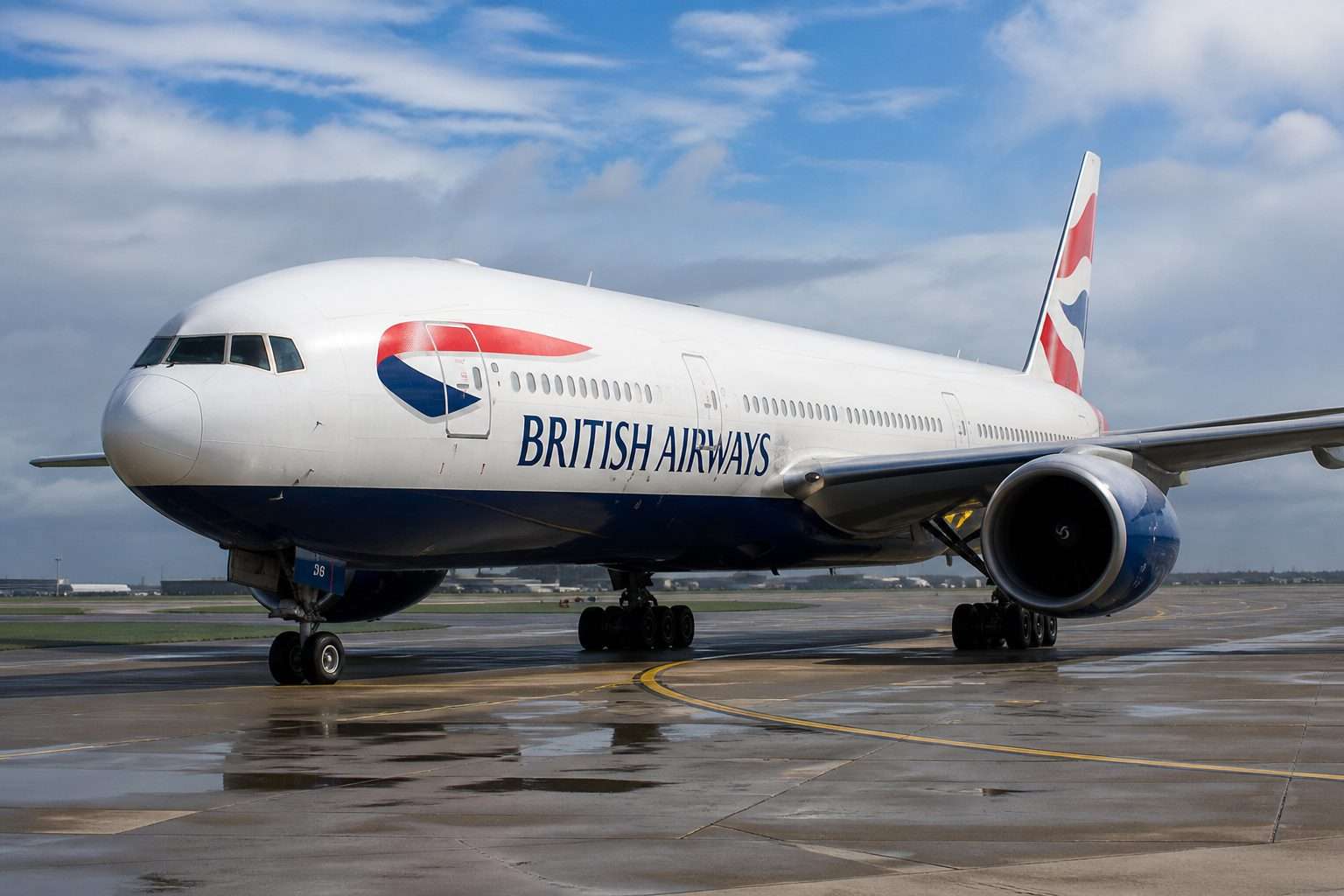
British Airways pilots narrowly rejected a pay overhaul, piling fresh labor trouble onto IAG just ahead of a summer clouded by rising fuel bills. The proposal promised up to a 4% raise, but pilots balked at cuts to pension contributions and a sharp reduction in the Flying Pay Supplement—an hours-based bonus—Reuters said, citing Sky News.
The upcoming vote carries added significance, with International Consolidated Airlines Group SA’s first-quarter results due May 8. Investors are eyeing British Airways for any signs of slippage—think wage pressures, pricier fuel, or tighter margins—after IAG hit a record operating profit for 2025 but left 2026 guidance vague in February.
Airlines are now confronting a much steeper cost environment. Jet fuel prices have jumped nearly 84% since the Iran conflict kicked off on February 28, Reuters reports. In response, Air France-KLM, IAG, and Lufthansa raised ticket prices and pulled back on capacity.
The British Airline Pilots’ Association (BALPA) has informed British Airways that “our members’ democratic decision” has been made, and the union is anticipating further negotiations. BALPA also highlighted that a pay deal is already in place for 2026. British Airways, for its part, said it plans to keep talking with the union and will take the feedback into account before making any moves. Sky News
Sky News reports that just shy of 51% of BALPA members who voted rejected the proposed changes to the Pilot Career Structure. Sources cited by Sky pegged turnout close to 90%. One insider put BALPA’s share of BA pilots at roughly 80%, or about 4,000 individuals.
IAG is the parent company of British Airways, Iberia, Vueling, Aer Lingus, LEVEL, IAG Loyalty, and IAG Cargo. While its registration is in Spain, the headquarters sit in London. Shares trade on the London and Spanish stock exchanges.
IAG shares dipped 0.13% in London, settling at 371.90 pence after swinging from 364.90p to 376.40p through the session, Investing.com data show. Still, the stock hasn’t climbed back to its February high—an area traders are eyeing, with ongoing cost headwinds outstripping gains in fares.
IAG entered 2026 in good shape, logging a 13% increase in 2025 operating profit before exceptional items, bringing the figure to 5.02 billion euros. The board gave the green light to a 1.5 billion euro capital return for shareholders over the coming year. First up: a 500 million euro buyback, with completion expected by the end of May.
In February, Chief Executive Luis Gallego pointed to British Airways’ robust gains in premium and corporate travel. Still, finance chief Nicholas Cadbury told reporters that the visibility on the second and third quarters wasn’t clear, calling out weakness in Africa and the Middle East.
Other airlines aren’t immune, but the story varies. Lufthansa and Air France-KLM are banking on premium cabins. Fresh fuel supply issues have already pushed several European carriers to raise fares or trim schedules. IAG, for its part, could end up passing some of those higher costs to flyers—unless demand slips first.
The compromise is hard to miss. British Airways, with only so many options on the table, now has a chance to resume talks—maybe even clinch a new deal. But pilots are left waiting, contracts unresolved, at a moment when fuel rationing or a price spike could push the airline to cut flights. “There is a risk that we’ll see rationing of fuel supply, particularly in Asia and Europe,” IATA Director General Willie Walsh told Reuters. Still, for now, supply appears steady. Reuters
IAG disclosed on May 1 that it’s sitting on 146.7 million treasury shares, and shareholders get 4.47 billion total voting rights, according to its latest regulatory filing. Those details matter for anyone watching disclosure thresholds. Still, the headline numbers landed in a week dominated by bigger questions: BA’s ongoing labor talks and unpredictable fuel costs—both looming large over IAG’s recent run.