
CUPERTINO, California, April 21, 2026, 09:06 (PDT)
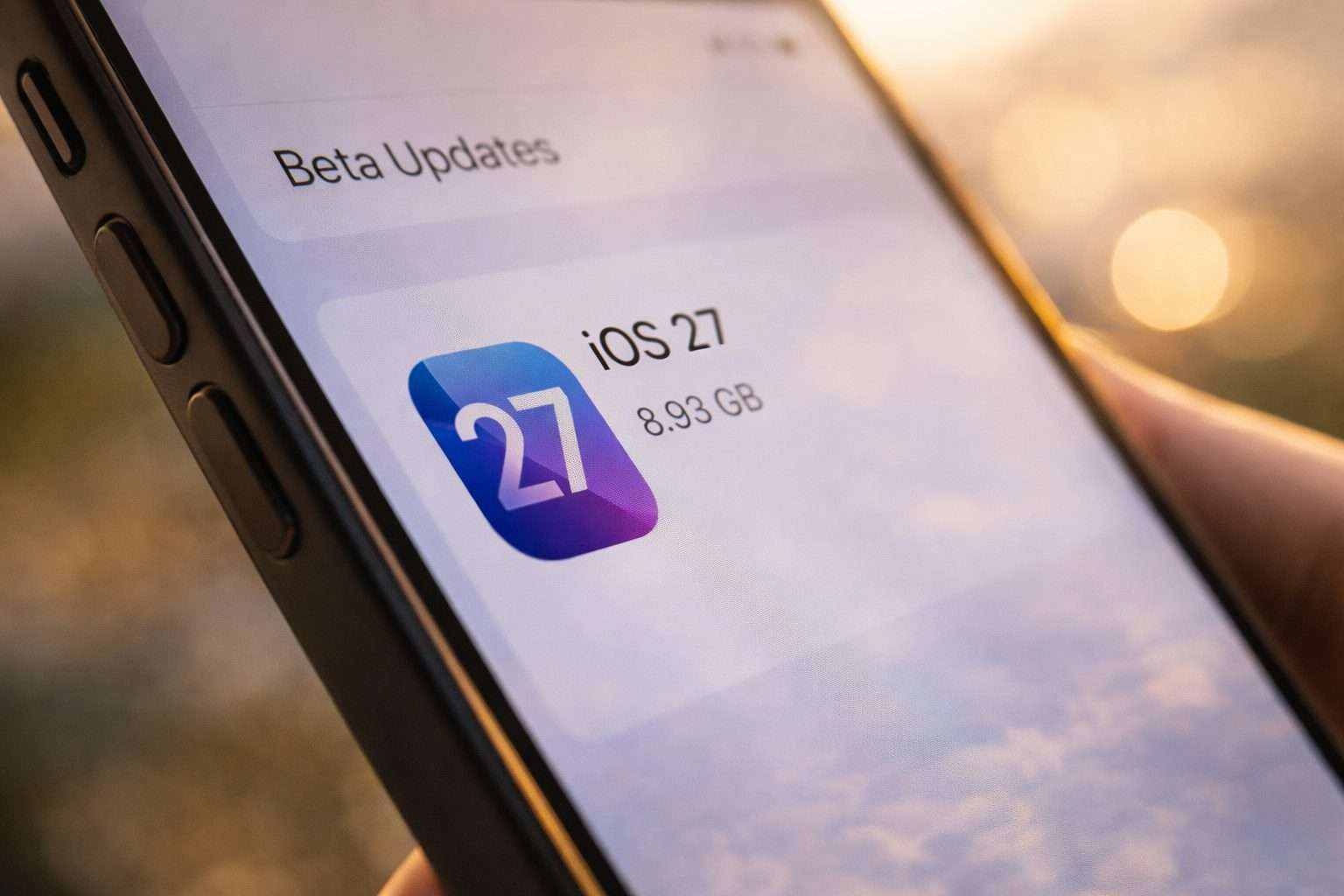
- A leak circulating on Weibo claims iOS 27 could arrive only for the iPhone 12 series and later models.
- That reported cutoff knocks out the iPhone 11 lineup—standard, Pro, and Pro Max—as well as the second-generation iPhone SE.
- Apple hasn’t released its compatibility list yet heading into WWDC 2026.
Apple’s upcoming iOS 27 could leave out the iPhone 11 family and the second-gen iPhone SE, if reports citing Chinese leaker Instant Digital pan out. That would push the iPhone 12 line and the third-gen SE to the front of the compatibility line, making them the oldest iPhones set to get the new update.
With Apple’s yearly software refresh approaching, owners of aging devices face the upgrade question yet again. Right now, the iOS 26.4 support page keeps the iPhone 11, iPhone 11 Pro, iPhone 11 Pro Max, and the second-generation iPhone SE on the list—so if the rumors hold and iOS 27 drops these models, that’s a notable departure from what Apple currently offers.
Apple plans to hold WWDC 2026 online from June 8 through June 12, spotlighting new developments across its platforms—AI software and developer tools among them. “A chance,” as Susan Prescott, vice president of Worldwide Developer Relations, put it, for developers to connect both virtually and face-to-face at Apple Park. Apple
The leak lists four models, but none are recent releases. Apple rolled out the iPhone 11, iPhone 11 Pro, and iPhone 11 Pro Max back in September 2019. The iPhone SE (second generation) followed in April 2020, equipped with the same A13 Bionic chip.
If the report is accurate, owners of the iPhone 11 and the 2020 SE might keep seeing security patches, but likely won’t get the next big annual iOS update. Over on Apple’s security release page, the company is currently pushing out security updates to previous iOS versions—18.7.7, for example, covers devices like the iPhone XS. The most recent iOS and iPadOS release is 26.4.1.
The rumored lineup still includes the iPhone 12 mini, iPhone 12, 12 Pro, and 12 Pro Max, plus every iPhone from the 13 through the 17, the iPhone Air, and the third-gen iPhone SE. AppleInsider called the leak plausible, though Apple hasn’t published an official iOS 27 compatibility list yet.
The cutoff line highlights just how tied Apple’s software ambitions are to its latest chips. Apple Intelligence, the company’s AI suite, only works on the iPhone 15 Pro or newer—including the iPhone 16, iPhone 17, iPhone 17e, and iPhone Air. That move leaves users with an iPhone 12, 13, 14, or the regular iPhone 15 out of the loop for AI features, even if they get iOS 27.
Several reports about the leak underscore a familiar divide: iPhones might get the new operating system, but not all the latest features. According to The Times of India, some of the rumored iOS 27 updates include a potential standalone Siri app, new Liquid Glass controls, and tweaked keyboard autocorrect. Apple hasn’t confirmed any of these features, the outlet notes.
Competition has gotten tougher. Google now promises seven years of OS and security updates for Pixel 8 and newer models. Samsung, for its part, is matching that with seven years of security updates for its Galaxy S26 series. Software longevity is suddenly a key selling point for premium phones.
The bottom line: it’s a leak, not gospel. Apple might decide to hang onto certain older models, restrict features based on hardware, or roll out a surprise support plan at WWDC. Right now, if you have an iPhone 11 or a 2020 iPhone SE, consider this more of a caution flag than a formal cutoff.