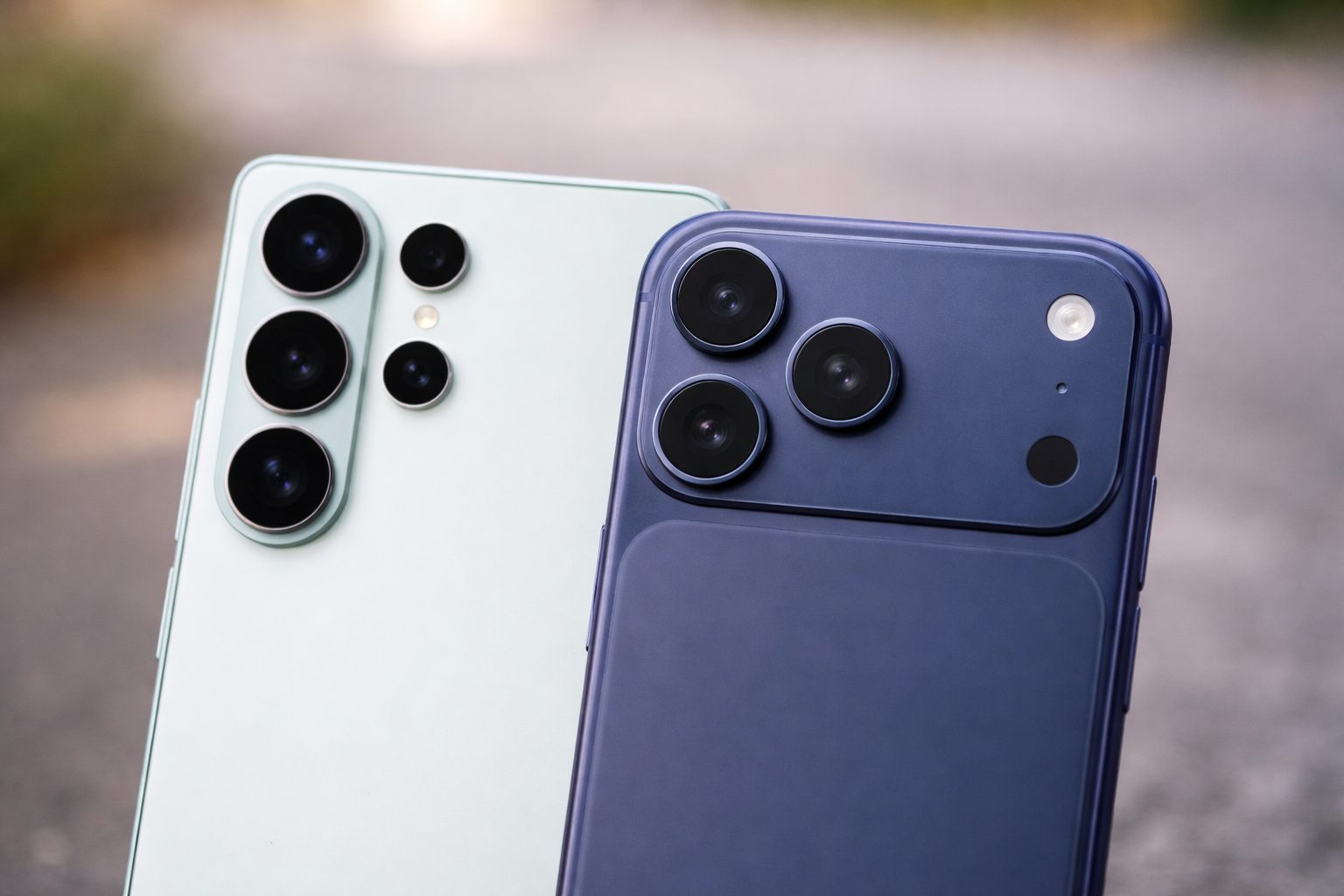
- Digital Chat Station claims the iPhone 18 Pro lineup keeps the same general screen sizes and adds a new “under‑display” area—hinting at a changed (or reduced) Dynamic Island setup. 1
- A report cited by 9to5Google pegs Samsung’s Galaxy S26 family for a March 11 on‑sale date after a delayed launch timeline. 2
- Early Galaxy S26 chatter also points to a 4,300mAh battery for the base model and a Snapdragon/Exynos split by region. 3
Apple’s iPhone 18 Pro leak mill just got louder: a Weibo account known for supply‑chain scoops claims the iPhone 18 Pro and Pro Max will add under‑screen Face ID. If that happens, the front camera could shift to a small punch‑hole, and the regular iPhone 18 could reportedly slip to around March 2027. 4
Why this matters now is simple: Apple hasn’t meaningfully changed the iPhone’s front silhouette in years, and Face ID is the one feature it can’t afford to weaken. Even among leakers, reports are split on whether the Dynamic Island disappears entirely or just shrinks, with analyst Ross Young and The Information’s Wayne Ma pointing to different outcomes. 5
The bigger strategic twist might be the calendar. MacRumors’ iPhone 18 roundup says Apple is expected to launch iPhone 18 Pro models in fall 2026 alongside a foldable iPhone and an iPhone 18 Air, while the cheaper iPhone 18 and iPhone 18e could wait until spring 2027. 6
On the spec side, today’s iPhone 18 rumors are mostly about screens. Gadgets360, citing Digital Chat Station, says the iPhone 18 sticks with a 6.27‑inch 120Hz LTPO panel and a Dynamic Island, while the Pro models keep similar sizes but drop the pill cutout in favor of a punch‑hole setup with Face ID shifted under the display. LTPO is display tech that helps phones vary refresh rate to save power. 7
The iPhone 18 Pro rumors also lean hard on silicon and cameras. AppleInsider reiterates talk of a 2nm “A20 Pro” chip (a smaller manufacturing process that usually improves efficiency) and a variable‑aperture camera system—basically a lens that can open and close to control light—potentially landing as a Pro feature. 8
Samsung’s Galaxy S26 rumors are leaking in a very Samsung way: dates and lineups first. TechRadar points to a report that puts the Galaxy S26 launch event on February 25 with phones on sale March 11, and suggests Samsung could revert to a three‑model S26/S26 Plus/S26 Ultra lineup if the Edge experiment didn’t move enough units. 9
Hardware‑wise, the Galaxy S26 Ultra may get the more visible redesign. Android Central spotted an early Thinborne case listing that lines up with recent renders: rounder corners and a new rear camera layout that groups three lenses on a pill‑shaped island, with extra sensors sitting beside it. The same report says Qi2 magnetic wireless charging is expected across the S26 line—think iPhone‑style magnetic alignment, but built around the broader Qi wireless standard. 10
Charging could be the sneaky headline for the base model. SamMobile cites a tipster claiming the standard Galaxy S26 jumps to 45W wired charging, with the S26+ staying at 45W and the Ultra pushing to 60W; it also mentions Qi2.2 wireless charging with built‑in alignment magnets in the mix. 11
There’s also a money problem hanging over every flagship rumor right now: memory. At CES 2026, Samsung marketing chief Wonjin Lee warned that semiconductor supply issues are pushing prices up, and that repricing products may eventually be on the table—“Prices are going up even as we speak,” he said in comments cited by Tom’s Guide. 12
Software and AI is where Samsung may try to make the S26 feel new, even if the hardware is incremental. T3 reports Samsung is preparing a Bixby overhaul tied to a Perplexity partnership, with features like document uploads and a “Live” mode for real‑time camera and screen sharing rumored for One UI 8.5 on the Galaxy S26. 13
Put the rumored lineups side by side and the shape of the fight changes. Galaxy S26 vs iPhone 18 looks like charging, magnets, and Android flexibility versus Apple’s cleaner‑front design push; at the top end, Galaxy S26 Ultra vs iPhone 18 Pro Max is shaping up as cameras and charging vs sensors‑under‑glass and computational photography tricks you’re not supposed to notice.
Timing is the other differentiator that actually affects real people. If the leaks are right, Samsung shoppers could be choosing in late February or early March, while iPhone buyers may have to decide whether they want the fall Pro models—or to wait months for the more affordable iPhone 18 tier.
Plenty could go sideways. Under‑display Face ID is hard to ship at Apple’s scale, magnets add cost and complexity (and can create compatibility headaches), and both companies are staring at the same component squeeze that could force higher prices or delayed features—and, of course, a leak is still a leak.
The next checkpoint is Samsung: the company still hasn’t officially announced its 2026 Unpacked date, but Tom’s Guide says the rumor mill (including leaker Evan Blass) is circling February 25, with sales slipping into March. After that, Apple’s supply‑chain breadcrumbs will be the tell—if under‑screen Face ID is real, it’s the kind of hardware decision that keeps showing up in display chatter long before September. 14