
ROME, May 6, 2026, 18:03 CEST
- ITA Airways plans to hold its flight schedule steady, but fares are set to rise between 5% and 10% this year.
- About 80% of the carrier’s fuel requirements for 2026 are now hedged.
- Lufthansa’s suspended Middle East routes and the looming June ownership option are still the critical swing factors here.
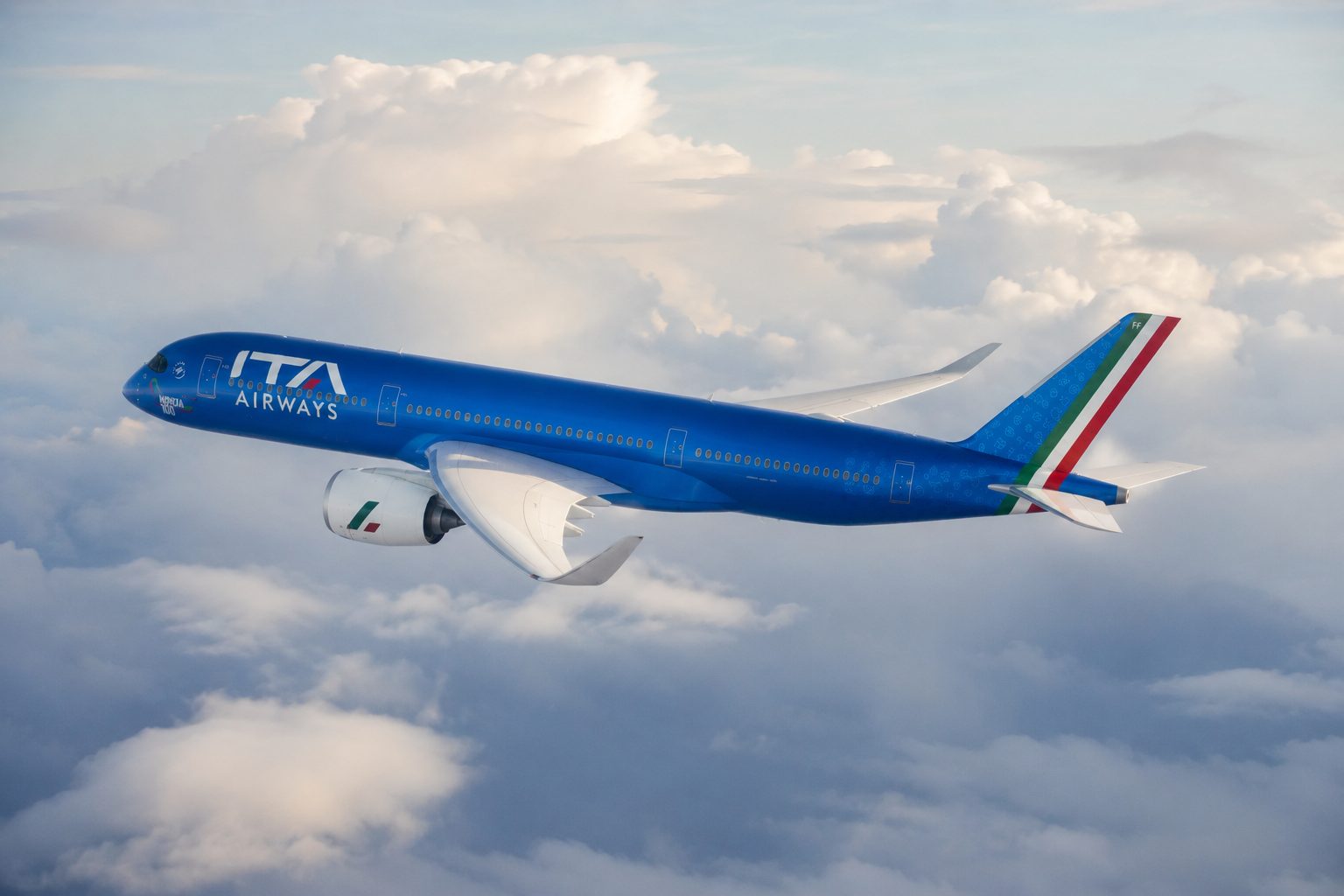
ITA Airways is set to bump up ticket prices by somewhere between 5% and 10% this year as it grapples with surging jet fuel expenses, CEO Joerg Eberhart said. Still, there’s no intention to reduce flights, Eberhart emphasized. According to him, the airline has already locked in about 80% of its fuel requirements through the rest of 2026. “Fuel now costs twice as much as it did before the crisis,” Eberhart cautioned. Reuters
An ill-timed squeeze for Lufthansa Group: on Wednesday, the airline flagged a 1.7 billion euro hit for the year, blaming the Middle East crisis for driving up kerosene prices. Demand for travel hasn’t budged. Most commercial planes run on kerosene, the company noted.
ITA isn’t the only carrier shifting the burden to travelers. Air France-KLM now plans to grow capacity more slowly through 2026 and is hiking fares on its long-haul routes. British Airways parent IAG, for its part, has also signaled ticket price increases to match rising fuel bills.
ITA leans on hedging—those financial contracts that fix part of its future fuel bill. Jet fuel makes up roughly 30% of the airline’s total costs, according to Eberhart, who added that, absent these hedges, ticket prices would need to jump about 30%. That, he said, would be a tough pill to swallow.
ITA isn’t just hiking fares; the airline is taking steps to cut fuel use, too. It’s evaluating technical tweaks and betting on newer jets, aiming to bring down the fleet’s average age. The strategy targets fuel efficiency, a priority with prices still stubbornly elevated.
ITA kicked things off even before this week’s fare news. Back in April, the airline announced it would roll out SITA’s OptiFlight system—AI that helps pilots plan more efficient climbs. The company projected fuel savings topping 7,100 tons between 2025 and 2026. “Fuel-saving and emissions reductions,” but no safety trade-offs, Chief Innovation Officer Francesco Presicce said. Reuters
Now, right after the fuel issue, comes the question of Lufthansa. Back in January 2025, the German carrier wrapped up its 41% acquisition of ITA, with the Italian Economy Ministry retaining the other 59% for now. Lufthansa said it could move on the rest of the shares starting in 2026.
This week, Eberhart called the prospect of Lufthansa increasing its stake to 90% “a Lufthansa decision.” He pointed out that closer alignment with ITA could turn the airline into the group’s go-to carrier for South American routes—an area where ITA already operates more flights than the rest of Lufthansa Group put together. Reuters
Lufthansa isn’t changing course at the group level: the airline is sticking to its mix of higher fares, tighter network planning, and cost controls. Full-year guidance for adjusted EBIT stays in place, even after the fuel price spike. First-quarter revenue climbed 8% to 8.7 billion euros, and adjusted EBIT loss came in at 612 million euros, an improvement.
Lufthansa shares jumped over 6% on Wednesday after the company reaffirmed its 2026 profit target. This comes even as it’s axed 20,000 flights for the summer, a move aimed at capping capacity as fuel-supply concerns linger.
ITA’s plan isn’t leaving much room for error. The carrier is still keeping flights to Tel Aviv, Riyadh, and Dubai suspended through the end of the month. According to Eberhart, if those routes don’t reopen at all this year, ITA faces a hit of roughly 10 million euros. Lufthansa’s CFO, Till Streichert, flagged that their group forecast assumes fuel keeps flowing and labor stays put—no fresh strikes or supply hiccups.
ITA is sticking with lower fares and efficiency moves instead of cutting capacity. Seats stay available, but travelers are left picking up more of the fuel bill. Lufthansa, meanwhile, still hasn’t settled on how much further it wants to push into Italy.