
London, May 4, 2026, 13:48 BST
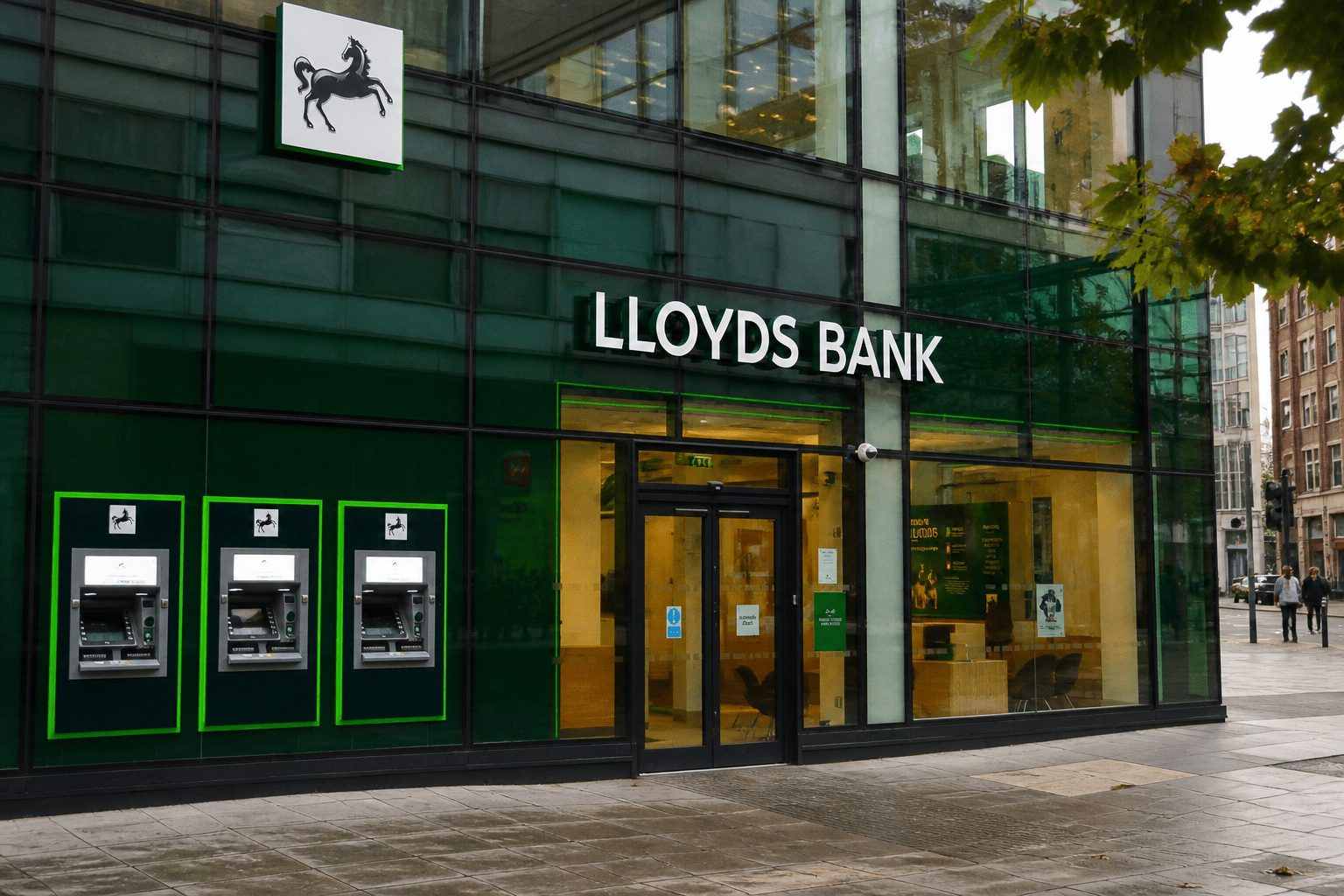
- Lloyds Bank plans to close 37 branches across the UK in June, as Lloyds Banking Group plc continues pulling back from the high street.
- Timing is key, coming after a March app glitch that exposed customer transaction data and ramped up scrutiny around the bank’s digital transition.
- The London Stock Exchange being shut for the Early May Bank Holiday meant no trading for Lloyds’ shares in London on Monday.
Lloyds Bank plans to shut 37 UK branches in June, accelerating a years-long reduction of its high street footprint as digital banking use grows. This round of closures fits into a broader strategy that includes Lloyds, Halifax, and Bank of Scotland locations, extending through 2027.
Lloyds is pushing more customers toward digital-only services just weeks after a tech glitch exposed transaction data for hundreds of thousands. On its closure page, the bank outlines upcoming shutdowns and notes that branch cuts follow Financial Conduct Authority guidance, with LINK reviews checking local cash access.
No early reaction for Lloyds shares out of London—Monday, May 4, landed on a non-trading day thanks to the Early May Bank Holiday. Markets are set to pick up regular action once the break wraps.
Lloyds is attributing the branch closures to declining in-person visits and a move toward digital banking. A spokesperson for Lloyds told Which? that customers are looking for “the freedom to bank in the way that works for them.” They highlighted options like the bank’s apps, messaging service, community bankers, and PayPoint, along with continued access to Lloyds, Halifax, and Bank of Scotland locations. Which?
Access is where the strain shows. Closing branches helps banks cut expenses, but it pushes older people, small firms, and cash users toward Post Office counters, banking hubs, or mobile units instead. UK regulations demand that banks prove communities can still get free access to cash before any shutdowns move forward.
Lloyds isn’t the only one making cuts. Santander plans to close branches through 2026 and 2027, and NatWest will follow suit during those years, according to MoneySavingExpert’s closure trackers. The wave of shutdowns, then, is industry-wide, not limited to Lloyds.
Lloyds has some financial breathing space to push ahead with its plans. Last week, the bank posted a statutory pre-tax profit of £2.025 billion for the first quarter—a 33% jump from the same period last year—while operating costs slipped 3%. Chief Executive Charlie Nunn described the group’s results as “sustained strength in financial performance” and said he’s sticking with the 2026 guidance. Lloyds Bank Investments
The digital case took a hit after the March 12 app issue. Lloyds disclosed to lawmakers, according to STV, that an additional 80,508 joint account holders could have seen their details exposed. The bank hasn’t identified any financial losses linked to the glitch, but it has issued payments for distress and inconvenience.
Dame Meg Hillier, who heads parliament’s Treasury Committee, pointed to the glitch as a reminder of the risks tied to shifting more banking online—customers end up depending on tech that “can suffer unpredictable errors.” According to her committee, as many as 447,936 customers at Lloyds, Halifax, and Bank of Scotland either saw other people’s transactions or had their own data exposed in the incident. UK Parliament Committees
For Lloyds, there’s a real chance any savings from shutting branches get wiped out—political blowback, regulatory headaches or service slip-ups could pile on costs if digital glitches crop up again, or if promised cash alternatives don’t show up in time. That’s the real test: it’s less about customers logging into apps, and more about whether the offline backup holds when the branches are gone.
Lloyds has its annual general meeting lined up for May 14. Then, on July 30, the bank is set to release its 2026 half-year results and unveil its strategy update. Investors will be watching for specifics on Nunn’s direction—especially how branch closures, tech investments, and service initiatives come together in the next phase.