
LONDON, June 17, 2026, 10:01 BST
- Lloyds was quoted at 104.05p/104.10p in delayed London data, almost unchanged on the day, after opening at 104.75p.
- UK CPI held at 2.8% in May, unchanged from April, while CPIH stayed at 3.0%, official data showed.
- Lloyds bought 2.63 million ordinary shares on June 16 for cancellation under its existing buyback programme.
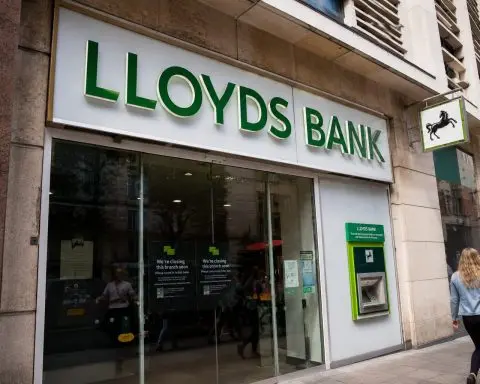
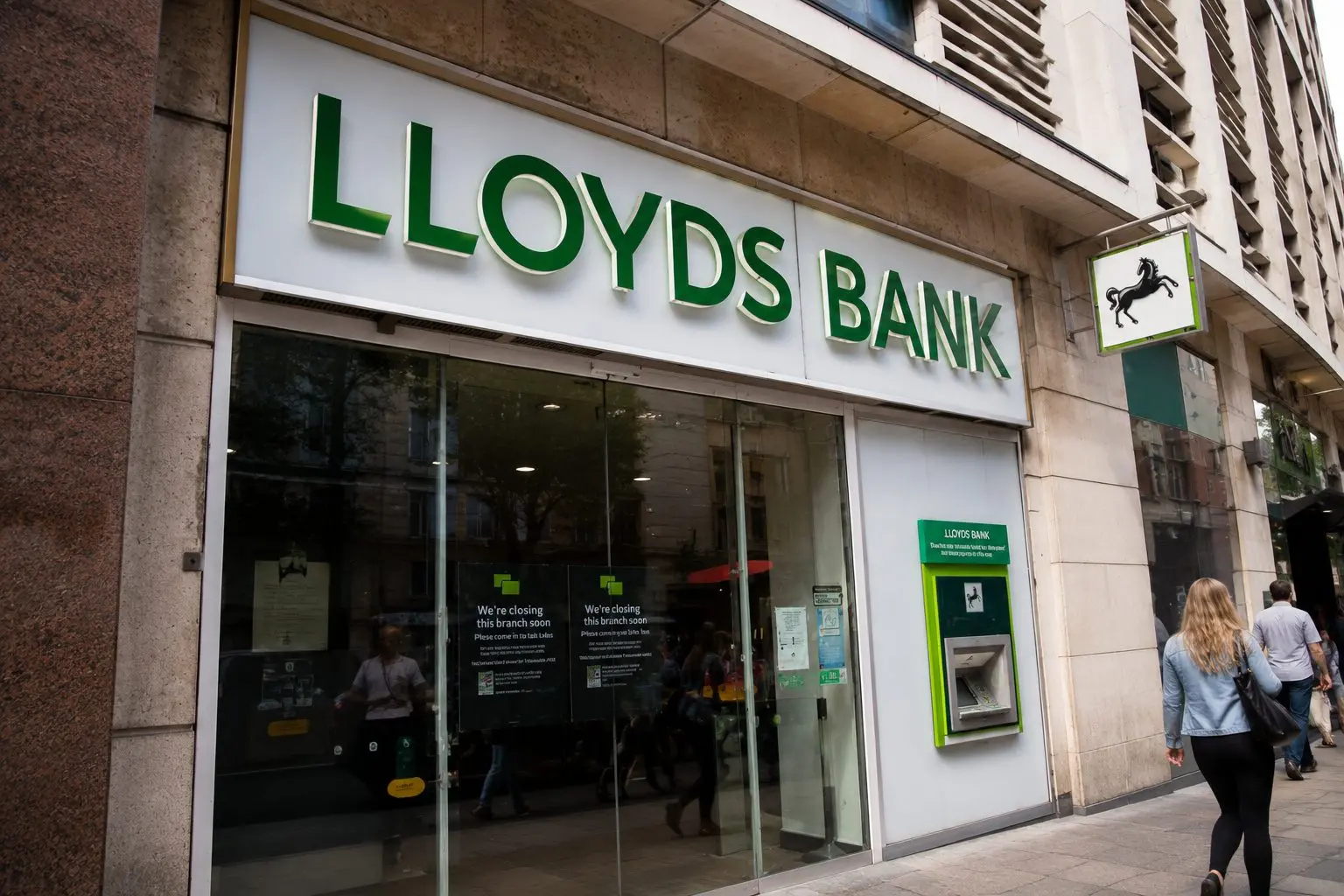
Lloyds Banking Group shares were little changed on Wednesday, pausing after a stronger session the day before, as investors weighed a softer-than-feared UK inflation print against the income outlook for Britain’s biggest domestic lenders.
By 09:46 BST, Lloyds’ own share-dealing data showed the stock quoted at 104.05p to sell and 104.15p to buy, with volume just over 16 million shares. The FTSE 100 was down about 0.15% at 10,478 around the same time, leaving the bank broadly ahead of the wider London market but without much conviction.
The inflation data matters more for Lloyds than for many FTSE 100 stocks. Bank Rate, set by the Bank of England, feeds through to what banks charge borrowers and pay savers; that gap is central to net interest margin, the spread banks earn on lending after funding costs.
Reuters reported that economists had expected UK CPI to rise to 3.0% in May, but it instead held at 2.8%, matching April’s 13-month low. “Today’s data strengthens the case for a continued cautious approach from the Bank of England,” KPMG chief economist Yael Selfin said. Reuters
Tuesday’s move had been cleaner. Lloyds rose 1.36% to £1.04, while Barclays added 1.47% and NatWest climbed 2.24%, all helped by a stronger session for financials and industrial stocks as oil prices eased.
Lloyds also kept buying back stock. A regulatory notice showed it purchased 2,632,073 shares on June 16 at a volume-weighted average price — the average price paid across the day, weighted by trade size — of 103.6345p, and said it intended to cancel them. Buybacks shrink the share count and can lift earnings per share, provided profits hold up.
The bank entered this year with a larger capital return plan. In January, Lloyds reported 2025 pretax profit of £6.7 billion, up 12%, launched a £1.75 billion buyback and lifted its 2026 return on tangible equity target — a profit measure against shareholder capital — to more than 16%. Chief Executive Charlie Nunn said at the time that “continued business momentum and strategic delivery” supported the upgraded guidance. Reuters
Its first-quarter numbers added to that case, though not without a warning. Lloyds reported pretax profit of £2.0 billion for January-March, up 33% from a year earlier, but took a £151 million charge to reflect risks from the Iran war and said a hit to the UK economy could lift unemployment.
The risk is that Wednesday’s benign headline inflation number does not last. Services inflation, watched by the BoE as a gauge of underlying price pressure, rose to 3.7% in May, while manufacturers’ raw material costs jumped 8.7% from a year earlier, Reuters reported. A hawkish BoE tone on Thursday, renewed energy pressure, tougher deposit competition or fresh costs tied to the motor-finance scandal would all work against the tidy bull case for Lloyds.
The next marker is the BoE decision due on June 18. After that, Lloyds investors will look to the bank’s July strategy update for whether management can keep pushing capital returns while defending margins in a slower, still rate-sensitive UK economy.