
WASHINGTON, Jan 21, 2026, 12:17 EST
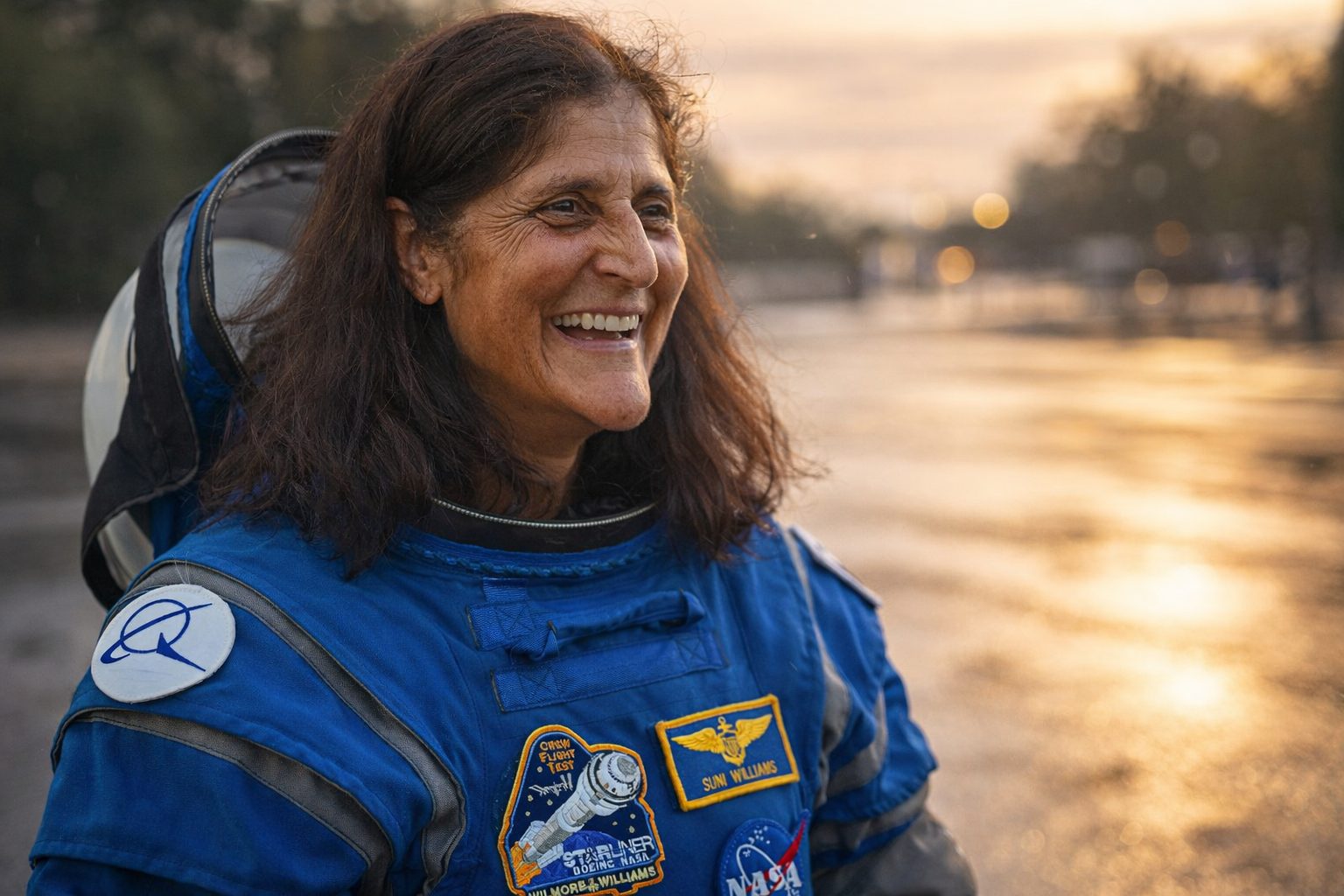
- NASA announced that astronaut Sunita “Suni” Williams retired on Dec. 27, 2025, wrapping up a 27-year career with the agency
- According to NASA, Williams spent 608 days in space and holds the women’s record for spacewalk duration.
- Her last mission, initially planned for days, extended to months after Boeing’s Starliner hit snags, and she ended up coming back on SpaceX
NASA announced Tuesday that astronaut Sunita “Suni” Williams has retired after a 27-year career with the agency. NASA
The departure comes at a tricky time for NASA’s human spaceflight efforts: the agency is juggling two U.S.-made spacecraft for missions to the International Space Station while pushing forward with Artemis, its ambitious return-to-the-Moon program.
Boeing’s upcoming Starliner mission will transport cargo to the space station instead of astronauts, the Associated Press reports. NASA is holding off on crewed flights until the capsule’s thruster system and other problems are resolved.
Delaying Starliner further means NASA will depend on SpaceX’s Crew Dragon for U.S. crew flights to orbit even more, reducing backup choices if there are delays or technical issues.
NASA Administrator Jared Isaacman described Williams as “a trailblazer in human spaceflight,” in an official statement. NASA
According to NASA and AP, Williams spent 608 days in space across three missions. She also set the record for the longest spacewalk time by a woman, clocking 62 hours and 6 minutes during nine separate spacewalks — the time astronauts spend outside their spacecraft.
Her retirement marks the end of a difficult chapter for Boeing and a real challenge for NASA’s backup plans. Williams and fellow astronaut Barry “Butch” Wilmore launched to the space station in June 2024 on Starliner’s inaugural crewed test flight, which was supposed to last roughly a week. But propulsion problems forced a lengthy delay, and they had to return aboard a SpaceX capsule in March 2025. AP News
The return marked the end of nine challenging months in orbit and a mission described by Reuters as “fraught with uncertainty,” following Starliner issues that disrupted what NASA had pitched as a brief test flight. Reuters
Johnson Space Center Director Vanessa Wyche called Williams “a pioneering leader” in a statement included in NASA’s announcement. NASA
Williams described space as “my absolute favorite place to be,” NASA reported, noting her enthusiasm for the agency’s upcoming missions to the Moon and, down the line, Mars. NASA