London, February 25, 2026, 08:32 GMT — Regular session
- NatWest was up roughly 1% shortly after markets opened in London.
- The bank revealed another round of repurchases from its ongoing buyback programme.
- Investors turn their attention to the Bank of England’s rate call on March 19, keeping an eye as well on NatWest’s upcoming dates.
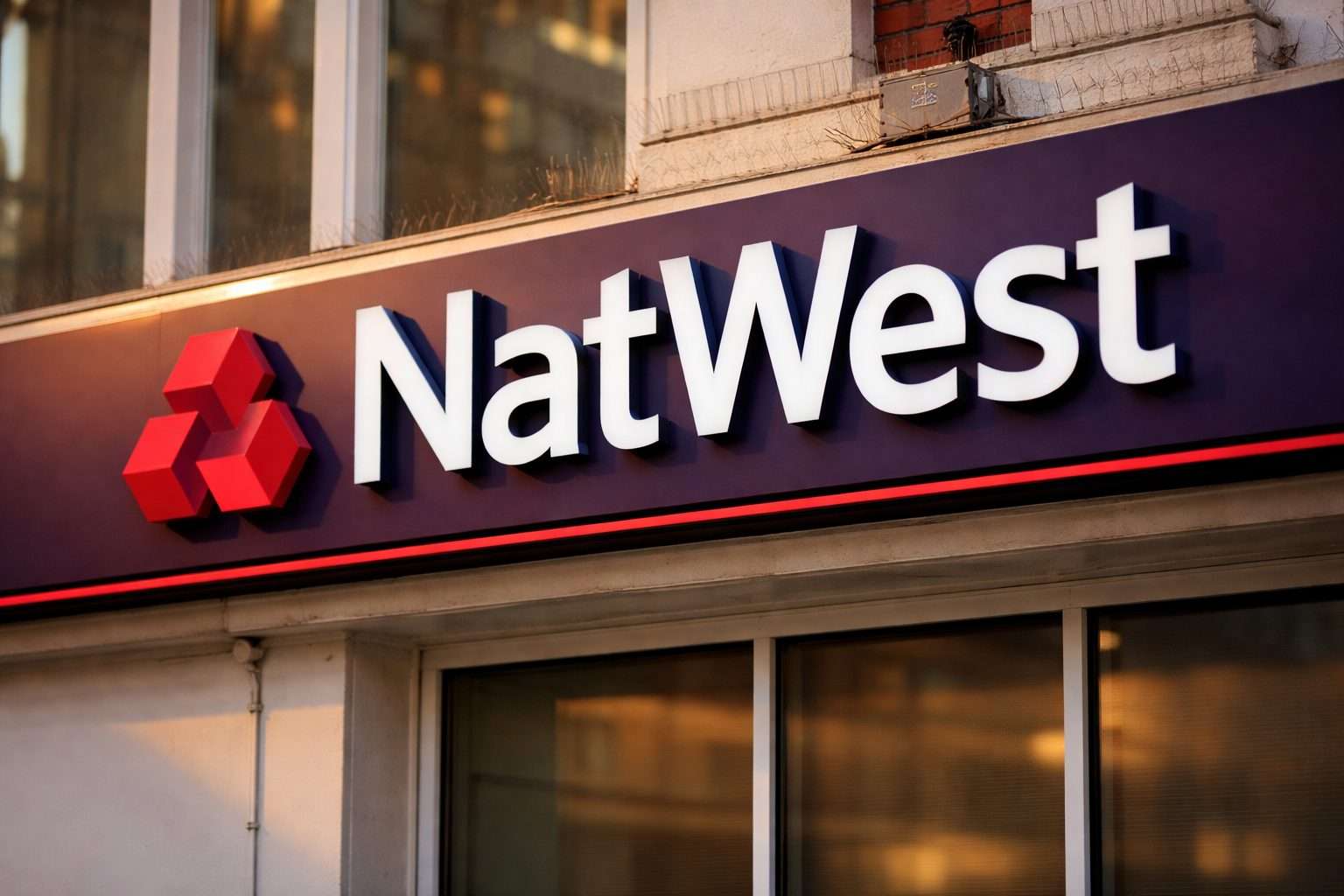
NatWest Group Plc (NWG.L) traded up 1% at 610.4 pence as of 0822 GMT, adding 6 pence after the bank announced another share buyback.
It’s only a slight move, but UK bank shares still draw support from two old standbys: capital returns and how rates are trending. Buybacks help earnings per share tick higher by cutting the share pool, a boost that comes even with sluggish core growth.
Bank of England Governor Andrew Bailey described the prospect of a March rate cut as a “genuinely open question” in comments to lawmakers, while Chief Economist Huw Pill cautioned against being “beguiled” by headline inflation—even if it reaches 2%. The BoE’s next move comes up on March 19. Reuters
NatWest disclosed in a U.S. filing that it bought back 739,078 ordinary shares on Feb. 24 via UBS, shelling out an average price a little above 601 pence per share. Purchases took place across the London Stock Exchange as well as two additional venues. The bank said the shares are slated for cancellation. Following settlement, NatWest will have 217.9 million shares in treasury, with 7.98 billion outstanding, not counting stock held in treasury.
The bank set final terms on a 750 million euro bond, offering a 3.756% coupon. The note is fixed at first, then switches to floating, with maturity in February 2037.
NatWest this month posted 2025 operating profit before tax at £7.7 billion. The bank put its CET1 ratio—a core capital measure—at 14.0%. Total distributions for 2025 were announced at £4.1 billion, with another £750 million share buyback in the mix.
The bank wants to boost its fee income, too. On Feb. 9, it struck a £2.7 billion deal, debt included, to acquire wealth manager Evelyn Partners. RBC Capital Markets analyst Benjamin Toms described the move as “transformational” for NatWest’s affluent segment. Jefferies analysts, though, cautioned that the price tag may weigh on earnings per share until 2028. Reuters
Barclays and Lloyds, among other peers, have also been moving in response to the same interest rate environment. Investors are now reassessing how a shift to lower policy rates could affect bank profits, as well as appetite for new loans.
A faster-than-anticipated rate cut risks pressuring net interest margins. If NatWest hits bumps with the Evelyn integration, or if UK credit quality sours, the bank’s ability to return capital could get pinched—unless it’s willing to eat into its buffers.
Investors are eyeing three dates: the BoE’s March 19 call, NatWest’s annual general meeting on April 28, and first-quarter results scheduled for May 1.