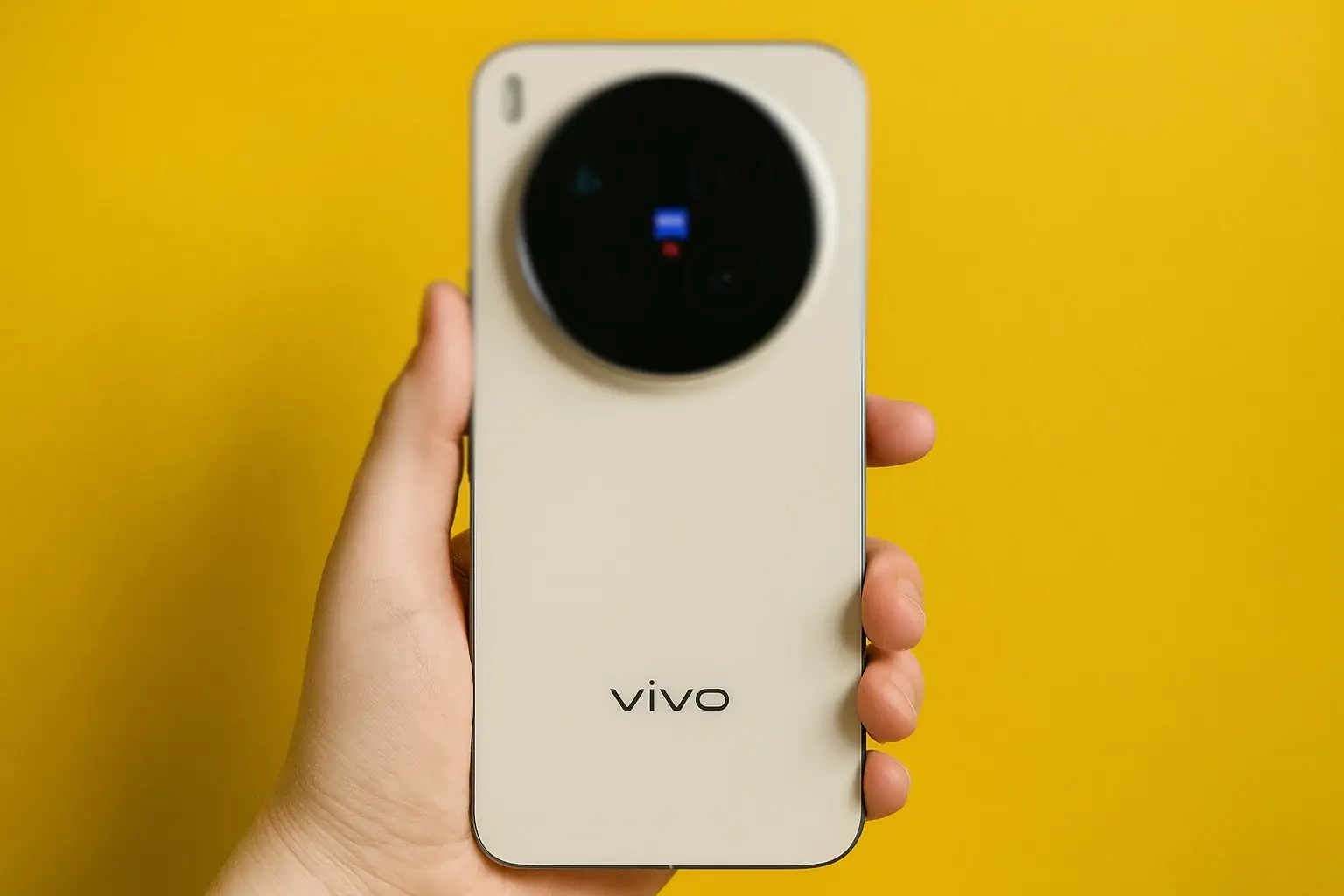
On December 5, 2025, the Vivo X300 series is having a moment. Fresh reviews are out, a huge YouTube channel just called the X300 Pro “wild”, and new leaks point to a beastly 7,000mAh battery in the upcoming Vivo X300 Ultra. Here’s everything you need to know today about the Vivo X300, X300 Pro and the still‑unannounced Ultra.
December 5, 2025: Why the Vivo X300 Series Is Back in the Spotlight
Several big developments have landed at once:
- New video review for the standard Vivo X300 – GSMArena’s video review has gone live (mirrored via Attock Directory), positioning the X300 as a “smaller flagship” and a spiritual successor to last year’s compact X200 Pro mini rather than a cut‑down base model. 1
- New in‑depth written reviews for the Vivo X300 Pro – including HardwareZone Singapore’s verdict published today, praising its huge 6,510mAh battery, IP68/IP69 durability and refined OriginOS 6 experience. 2
- Unbox Therapy’s reaction to the X300 Pro Photographer Kit – in a widely shared video, Lewis Hilsenteger calls the telephoto extender setup “wild” and says the results look more like a dedicated camera than a phone. 3
- Fresh leaks for the Vivo X300 Ultra – multiple reports now point to a Q1 2026 launch in China with a massive 7,000mAh battery, dual 200‑megapixel cameras and Qualcomm’s Snapdragon 8 Elite Gen 5 under the hood. 4
Add in ongoing launches and promotions in India, Southeast Asia and beyond, and the X300 line is quickly becoming one of the most talked‑about Android flagships of late 2025. 5
Vivo X300: Compact Flagship With a Big‑Camera Attitude
Key specs at a glance
Across its global variants, the Vivo X300 is designed as a compact but uncompromising flagship: 5
- Display: 6.31‑inch 1.5K (1216 × 2640) AMOLED, 120Hz, HDR support
- Chipset: 3nm MediaTek Dimensity 9500
- RAM & storage: up to 16GB LPDDR5X and 512GB UFS 4.1
- Rear cameras (ZEISS‑tuned):
- 200MP main camera
- 50MP ultra‑wide with autofocus
- 50MP periscope telephoto (3–3.5x optical, high‑quality hybrid zoom)
- Front camera: 50MP selfie shooter
- Battery: 6,040mAh in China/India with 90W wired + 40W wireless charging (slightly smaller pack in some global versions)
- Software: OriginOS 6 based on Android 16
- Extras: IP rating, 3D ultrasonic in‑display fingerprint sensor, ZEISS 2.35x Telephoto Extender support
In India, the Vivo X300 starts at ₹75,999 for the 12GB + 256GB variant, with higher‑tier 12/512GB and 16/512GB models priced at ₹81,999 and ₹85,999 respectively. 5
New GSMArena video review: small(ish) but serious
The new video review that went live today reinforces Vivo’s pitch: the X300 isn’t a “Lite” or watered‑down flagship. GSMArena describes it as a compact flagship that inherits much of the X300 Pro’s DNA, including a full‑fat triple camera system headlined by that 200MP main sensor plus 50MP ultra‑wide and 50MP periscope telephoto cameras. 1
That’s a crucial differentiator. Where many brands reserve their best zoom hardware for ultra‑premium models, the X300 gives you a serious camera setup in a smaller body and at a lower price.
What reviewers are saying about the X300
Different outlets broadly agree on the same strengths – and a few compromises:
- Camera reliability and colour science
- GadgetMatch calls the X300 “the point‑and‑shoot I’ll always carry,” praising its ability to handle everything from dim cinemas to busy launch events without resorting to over‑processed colours. 6
- Early testing from 91mobiles and others highlights fast autofocus, promising low‑light performance and a 50MP selfie camera that keeps Vivo ahead of rivals in this size class. 7
- Compact, premium design
- At around 7.99mm thick and under 200g, the X300 is noticeably lighter and narrower than most 2025 flagships, while still featuring a big circular ZEISS camera island and a velvety back panel finish in colours like Elite Black, Mist Blue and Summit Red. 8
- Battery and performance
- Reviewers report that the 6,040mAh battery comfortably lasts a day of heavy camera use, with 90W wired charging and 40W wireless charging closing the loop. 6
- Dimensity 9500 handles intensive games and fast camera switching without stutters, and OriginOS 6 feels cleaner and more responsive than older Vivo software skins. 6
- Trade‑offs
Overall, the consensus is that the Vivo X300 is not a “budget Pro” – it’s a true compact flagship built around a powerful triple‑camera system and a big battery, ideal if you want premium features without a huge slab of glass in your pocket.
Vivo X300 Pro: The New Camera Phone to Beat
If the X300 is the compact all‑rounder, the Vivo X300 Pro is the full‑sized imaging flagship that reviewers are lining up to praise.
Flagship hardware and camera system
Multiple reviews and spec sheets paint a very consistent picture of the X300 Pro: 9
- Display: 6.78‑inch LTPO AMOLED, ~2800 × 1260 resolution, 120Hz, up to ~4,500‑nit peak brightness
- Chipset: MediaTek Dimensity 9500 (3nm)
- RAM & storage: 12/256GB, 16/512GB and even 16/1TB variants in some markets
- Battery: 6,510mAh “BlueVolt” battery, 90W wired + 40W wireless charging
- Rear cameras (ZEISS‑branded):
- 50MP main, large 1/1.28‑inch sensor, OIS
- 200MP APO telephoto (around 3.5–3.7x optical zoom), OIS, designed for both portraits and tele‑macro
- 50MP ultra‑wide
- Front camera: 50MP f/2.0
- Software: OriginOS 6 (Android 16), with up to 5 OS upgrades and 7 years of security patches promised in some regions 2
- Ruggedness: IP68 and IP69 ratings in markets like Singapore, meaning it can handle dust, submersion and even high‑pressure water jets. 2
Review round‑up: “Camera phone to beat” and “photography first”
- Gadgets360 argues that the Vivo X300 Pro effectively redefines Android camera flagships, thanks to the combination of the Dimensity 9500, ZEISS glass and support for the ZEISS 2.35x Telephoto Extender, all while moving to OriginOS 6 and a larger battery than last year’s X200 Pro. 10
- 91mobiles labels it “the camera phone to beat in 2026”, highlighting terrific primary and telephoto cameras, a genuinely useful ZEISS extender, excellent battery life and polished performance. Downsides include speakers that lack a bit of clarity and some warmth under sustained load. 11
- AndroidHeadlines praises its “exceptional camera quality” and nearly 13 hours of screen‑on time with heavy camera usage, as well as cool thermals and fast 90W charging. The main knocks are USB‑A on the in‑box charger, slightly weaker software support than Google or Samsung, and the fact that raw performance still trails the latest Snapdragon 8 Elite devices in benchmarks. 9
- Can Buy or Not simply calls it a “frontrunner for best smartphone camera”, noting superb image quality across the board, a smooth UI, and strong benchmark scores—while warning about price, chipset throttling under the hardest loads, and the cost of photography add‑ons. 12
- HardwareZone Singapore, in a review published today, says “the long wait was worth it” after Vivo’s multi‑year hiatus from flagship X‑series phones in the country. They highlight outstanding battery benchmark results, smooth OriginOS 6, ultra‑bright display and excellent photo output, with only bloatware and game ads keeping it from perfection. 2
KLGadgetGuy goes one step further and positions the X300 Pro as “the ultimate travel phone of the year”, pointing to its dual imaging chips (VS1 and V3+), triple ZEISS cameras, robust 6,510mAh battery and IP68/IP69 body that can survive beaches, rain and rough trips. 13
Unbox Therapy: “This thing is wild”
One reason the X300 Pro is all over social feeds this week is a new video from Unbox Therapy, one of YouTube’s most influential tech channels.
A press‑release recap from PinchLink PH (mirroring an INQUIRER.net piece) describes how host Lewis Hilsenteger reacts to the Vivo X300 Pro Photographer Kit, which combines the phone with the ZEISS 2.35x Telephoto Extender and a PGYTECH imaging grip: 3
- He calls the full setup “wild”, especially after seeing stabilised 4K 30fps telephoto footage that initially had him asking his team if the camera was on a tripod—only to be told it was handheld.
- Hilsenteger notes that the optical extender gives images that “don’t look like they came from a smartphone,” and concludes that, with the kit attached, the X300 Pro feels “a lot more like a camera than a smartphone.”
In the Philippines, that Photographer Kit is being offered as a set of optional accessories: the ZEISS Telephoto Extender Kit and the PGYTECH Imaging Grip are sold separately, but pre‑order promos (ending today, December 5) include freebies like a Vivo Watch GT and an X‑series VIP card, plus trade‑in programs and 0% instalments on Shopee. 3
The message is clear: Vivo isn’t just selling a phone, it’s selling a portable camera system that can stretch all the way to a ridiculous 1600mm‑equivalent focal length when you combine the 85mm telephoto with the 2.35x ZEISS extender and in‑camera zoom. 7
Where You Can Buy the Vivo X300 and X300 Pro Right Now
The X300 series is no longer a China‑only curiosity. Here’s a quick snapshot of where it’s landing:
- India – Vivo X300 and X300 Pro have launched with OriginOS 6 and Dimensity 9500, with the X300 starting at ₹75,999 and the ZEISS 2.35x telephoto extender kit priced at ₹18,999. Sales kick off on December 10 via Vivo’s online store and major retailers. 5
- Malaysia – Vivo Malaysia has rolled out the X300 series with the X300 Pro priced at RM4,699, marketed heavily as a travel and content‑creation companion. Launch bundles include TWS earbuds, extended warranty, and trade‑in rebates of up to RM300, plus accessory discounts. 13
- Singapore – After a three‑year absence of true X‑series flagships, Vivo has brought both the X300 and X300 Pro to Singapore, with the Pro selling at S$1,599 and being widely available through major electronics chains and telcos. 2
- Philippines & Southeast Asia – Multiple pre‑order campaigns and contests are running, including a Vivo X300 Series Photo Contest that encourages “telephoto storytelling”, emphasising the creative potential of the ZEISS zoom setup and extender kit. 14
Add to that India‑focused app guides like GadgetBridge’s “Top 10 Apps for Vivo X300 Series” (which recommends video editors, creative tools and games that play to the phones’ strengths) and you can see Vivo’s ecosystem push extending beyond just hardware. 15
Vivo X300 Ultra: 7,000mAh Battery and Q1 2026 Launch Window
Vivo hasn’t announced an X300 Ultra yet, but leaks are getting louder—and they’re focused on one headline feature: battery.
According to a Weibo leak covered by Gadgets360 and WhatMobile: 4
- The X300 Ultra is expected to launch in China in Q1 2026, likely between January and March.
- It may pack a 7,000mAh battery, a big step up from the 6,000mAh cell in last year’s X200 Ultra and the 6,510mAh battery in the current X300 Pro.
- The phone is tipped to use Qualcomm’s Snapdragon 8 Elite Gen 5 (3nm), rather than MediaTek’s Dimensity line.
- Leaks point to a 6.8‑inch 2K display and a triple‑camera setup with two 200MP sensors, reportedly including Sony’s new LYTIA 901, plus upgraded ultra‑wide and periscope modules.
These reports suggest Vivo wants the X300 Ultra to compete directly with 2026 ultra‑flagships like Samsung’s Galaxy S26 Ultra and Xiaomi’s 17 Ultra, particularly on battery life and camera versatility. But until Vivo confirms anything, all of this remains speculation – exciting, but unfinalised.
Should You Buy the Vivo X300 / X300 Pro Now or Wait for the Ultra?
If you’re trying to decide what to do with your money today, here’s a quick way to frame it:
Buy the Vivo X300 if…
- You want a compact flagship that’s easy to use one‑handed.
- Camera reliability and natural‑looking images matter more than raw zoom extremes.
- You like the idea of a 200MP main camera and triple‑camera flexibility without paying Ultra‑level prices. 8
Buy the Vivo X300 Pro if…
- You want the best possible cameras right now in the Vivo ecosystem, with a 200MP APO telephoto, powerful 50MP main camera and serious ultra‑wide. 11
- Battery life is critical: reviews consistently talk about multi‑day endurance and extremely fast charging. 2
- You’re a content creator or traveller who can make real use of the ZEISS 2.35x Telephoto Extender Kit and imaging grip for 1600mm‑equivalent reach, physical controls and extra battery. 3
Wait for the Vivo X300 Ultra if…
- You don’t need a new phone immediately and want to see what Vivo can do with 7,000mAh battery tech and dual 200MP sensors. 4
- You’re specifically after Snapdragon 8 Elite performance and are willing to pay a likely premium and wait until at least Q1 2026.
Bottom line
On December 5, 2025, the Vivo X300 family looks stronger than ever:
- The X300 has proven that a compact phone can still deliver flagship‑grade cameras and endurance.
- The X300 Pro is emerging as the camera phone to beat for 2025–2026, backed by glowing reviews, travel‑focused campaigns and now a viral Unbox Therapy reaction.
- And the X300 Ultra, if leaks are accurate, could push things even further with a monster battery and dual 200MP setup.
If you’ve been holding out for a photography‑first Android flagship, the X300 series is no longer just an interesting option—it’s one of the main stories in smartphones to watch as 2025 rolls into 2026.