SEOUL, Jan 28, 2026, 20:09 (KST)
- Samsung says a new “layer of privacy” will block side-angle viewing to deter “shoulder surfing.”
- The company says users will be able to apply the protection to certain apps, passwords and notifications, or switch it off.
- Tech sites expect the feature to debut with the Galaxy S26 cycle, with questions over which models get it.
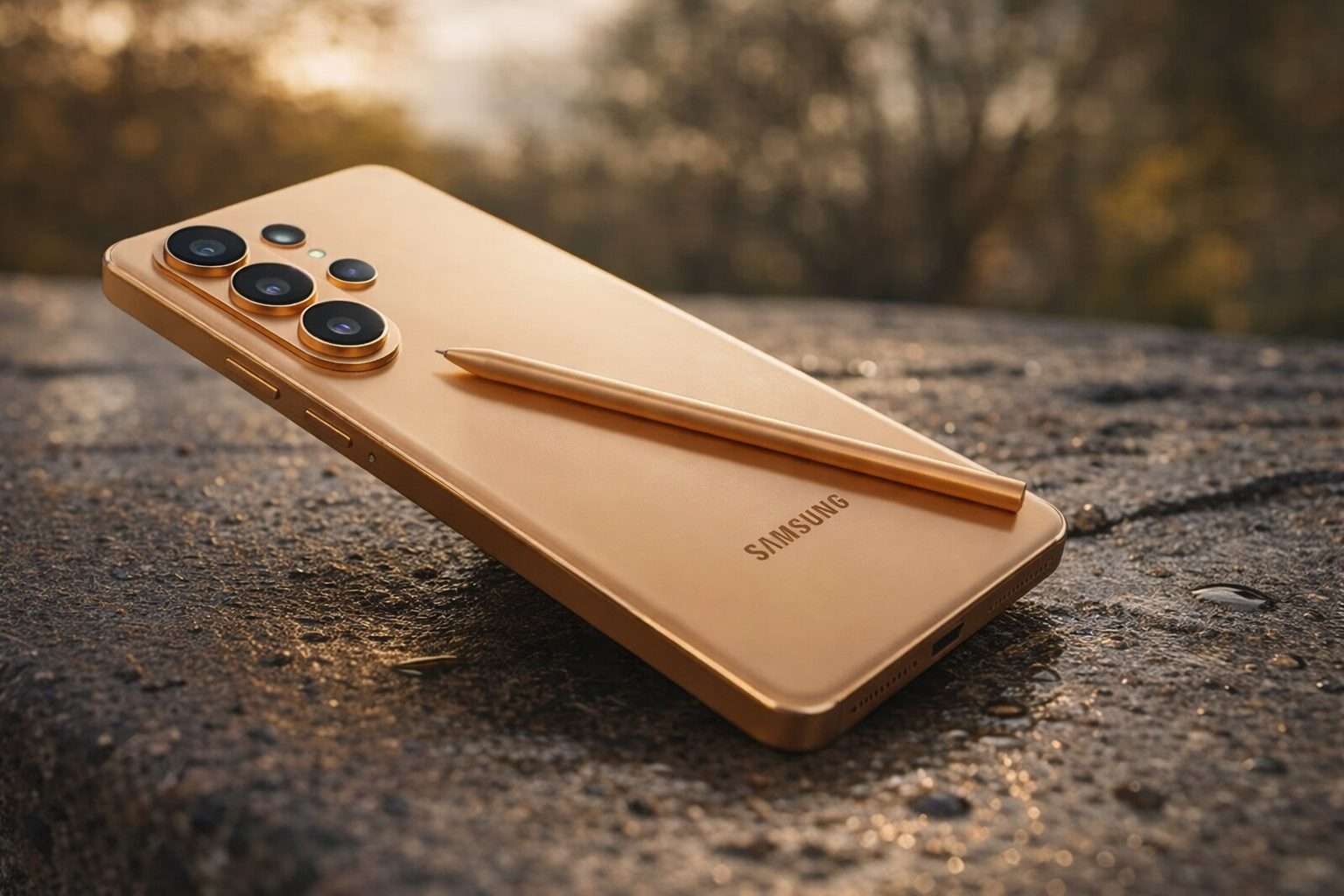
Samsung Electronics said on Wednesday it would soon unveil a “new layer of privacy” for Galaxy phones, pitching a feature that limits what nearby people can see when you use your screen in public. The company said the safeguard would bring “privacy at a pixel level” and is “coming to Galaxy very soon.” (Samsung Newsroom)
The teaser lands as phone makers lean harder on privacy as a selling point, with more people using handsets for banking, work chats and one-time passcodes in crowded spaces. “Shoulder surfing” — when someone reads your screen over your shoulder — is a small problem that’s hard to avoid on trains and buses, and accessory makers have long pushed stick-on privacy filters as a fix. (Business Standard)
It also adds a hardware twist to a premium market where Samsung battles Apple’s iPhone and Google’s Pixel line, and where AI features can put more personal content on-screen. 9to5Google called the privacy feature Samsung’s first Galaxy S26 teaser and said the company’s clips show the display contents disappearing when viewed from an angle. (9to5Google)
Samsung said the privacy layer will be configurable rather than permanent. Users will be able to set it for specific apps, protect parts of the experience such as notification pop-ups, and trigger it during sensitive actions like entering passwords, Samsung said, adding the system can be tuned or turned off. (Samsung Mobile Press)
Digital Trends said Samsung appears to be blending display hardware with One UI — Samsung’s Android interface — to control visibility in a more targeted way than today’s privacy screen protectors. The outlet said the approach could rely on directional OLED pixels to keep the display clear straight-on while darkening from the side, though Samsung has not described the underlying panel technology. (Digital Trends)
Samsung is tying the feature to a broader security message as it ramps up work on Knox, its security platform. In a separate Samsung Mobile Press editorial published on Tuesday, Dr. Jerry Park, an executive vice president at Samsung Electronics, wrote that “security is a collective effort” as he laid out the firm’s “Zero Trust” approach — a model that assumes no device or user should be trusted by default. (Samsung Mobile Press)
Tech publications have also been picking up signs the feature is already being referenced inside Samsung’s software. PCMag reported that Samsung’s Tips app points to a built-in privacy screen for Galaxy S26 phones, a hint the capability may be moving from leak territory into user-facing guidance. (PCMag)
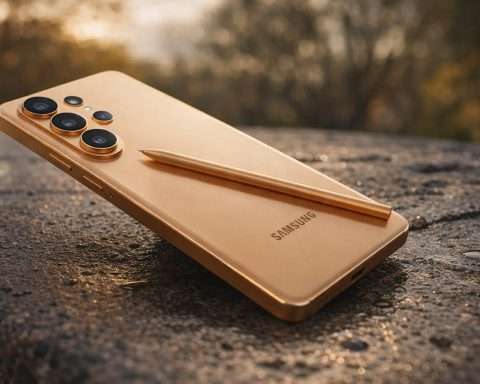
The privacy push sits inside a wider swirl of S26 expectations. Engadget said leaked renders suggest Samsung may tweak the Galaxy S26 design with a flatter front and a vertical, pill-shaped camera module on the back, as the company heads toward its next Galaxy Unpacked event. (Engadget)
But key details are still missing. Samsung has not said which models will get the privacy layer, how it will affect brightness or battery use, or how reliably it can hide content without degrading the user’s own view — trade-offs that have dogged traditional privacy filters and could limit adoption if the effect feels too aggressive.
The idea has already spilled into wish lists ahead of the next flagship cycle. CNET published a commentary piece on changes it wants to see in the Galaxy S26 Ultra, underscoring how quickly the privacy-display chatter is shaping expectations as Samsung keeps its official language vague. (CNET)