
New York, February 12, 2026, 18:21 EST — After-hours
- NXPI gave up an initial surge on Thursday, ending the session lower.
- Investors, eyeing upcoming U.S. inflation data, sent tech and chip stocks lower.
- NXP has a string of conferences lined up for March, with results set to land in late April.
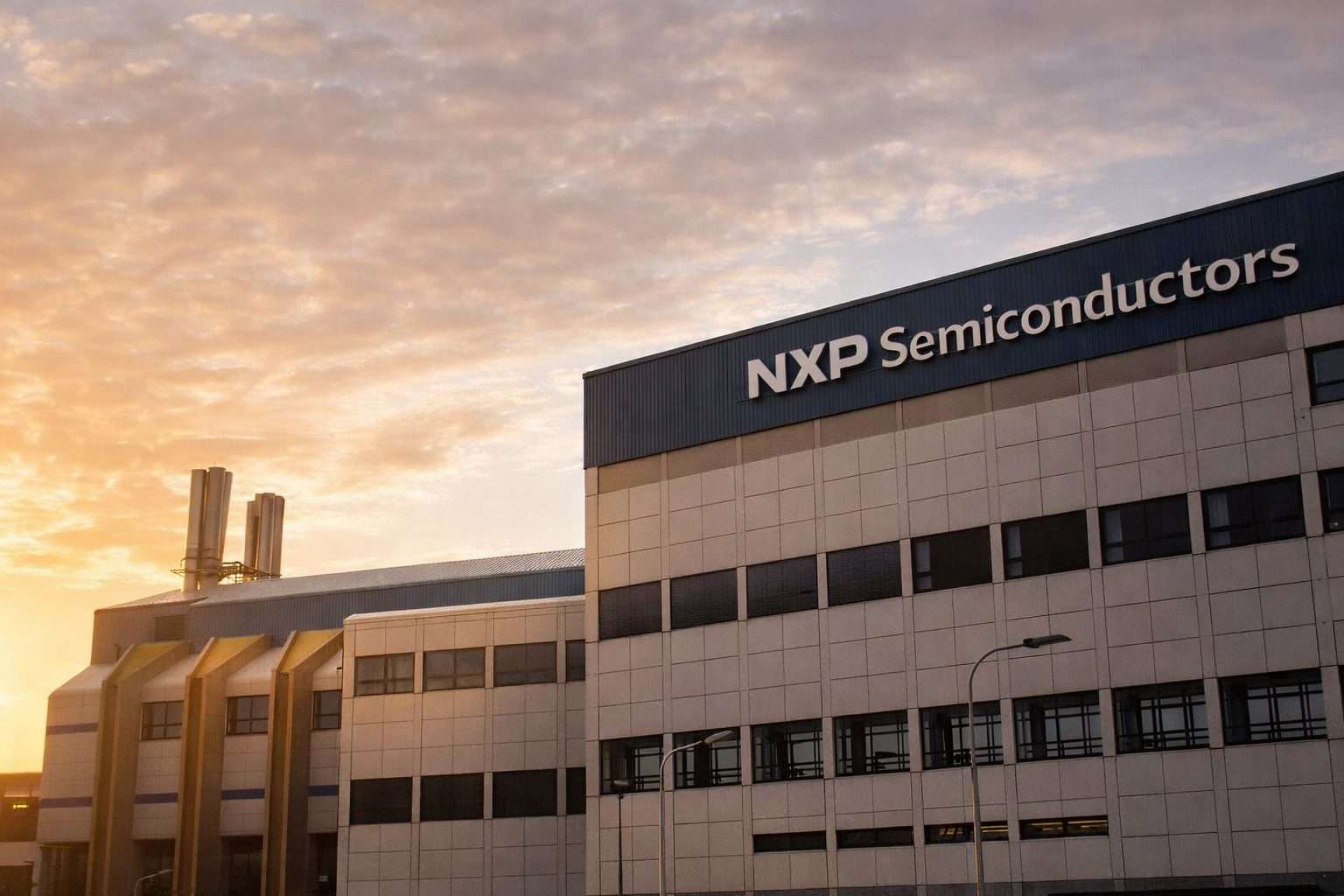
NXP Semiconductors N.V. (NXPI) ended Thursday at $242.19, off 3% for the day. The stock had spiked above $256 earlier, only to give up those gains. NXPI traded between $239.59 and $256.80 during the session.
Wall Street’s tech slump worsened, dragging markets lower as investors held back ahead of Friday’s release of the U.S. January consumer price index report. “We see this as a ‘prove it’ year for AI,” said Jack Herr, primary investment analyst at GuideStone Funds. Traders are still hashing out who’s actually delivering returns as the AI spending spree plays out. Reuters
NXP shares had surged 5.55% on Wednesday, notching $249.75 and stretching their winning streak to four sessions. The stock reversed course Thursday, slipping alongside other chipmakers: Qualcomm shed 1.82%, Texas Instruments dropped 1.57% and Analog Devices fell 1.67%, according to MarketWatch data.
A supplier headline landed Wednesday: Arteris announced NXP is scaling up its use of Arteris system IP across AI-driven chips in automotive, industrial, and consumer markets. “At NXP, we are committed to delivering innovative, safe and secure edge AI devices for a smarter world,” commented Ajith Mekkoth, executive VP, advanced chip engineering at NXP. GlobeNewswire
Earlier this month, NXP put out a first-quarter revenue outlook between $3.05 billion and $3.25 billion, with adjusted earnings per share projected in the $2.77 to $3.17 range — that figure strips out certain items. Roughly 55% of its sales stem from automotive, and just under a fifth, about 18%, from industrial. Shares dropped around 5% in after-hours trading when the company disclosed an 18% year-over-year decline in communications-unit revenue, pointing to softer spending from telecom operators.
Speaking to Reuters just days after, CEO Rafael Sotomayor pointed to “physical AI”—a label he uses for chips powering AI in devices like factory robots and logistics systems—as central to the outlook. “The fastest growing part of our industrial portfolio is the products that have inherent AI capabilities,” Sotomayor told Reuters, noting a crossover: tech from the company’s automotive segment is now turning up in drones and industrial robots. Reuters
Traders didn’t hesitate to lock in profits Thursday as the mood soured. NXPI was climbing into the mid-$250s earlier in the week, but lost ground once risk appetite faded.
The next move hinges on the data and where demand lands. If inflation comes in higher and bond yields climb, growth stocks could stay under pressure. On the other hand, weakness in car production or factory capex would put the chip-demand recovery narrative to the test.
Traders have their eyes on NXP’s upcoming public events, kicking off at the Morgan Stanley Conference on March 3. The quiet period for the first quarter starts up March 13, cutting off most public commentary until results drop. NXP plans to report Q1 earnings April 27, with its earnings call scheduled the following day, April 28.