New York, March 19, 2026, 10:23 EDT
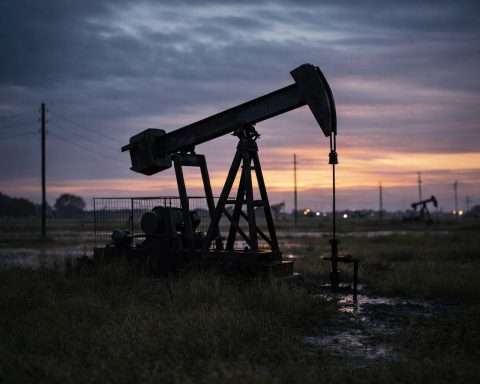
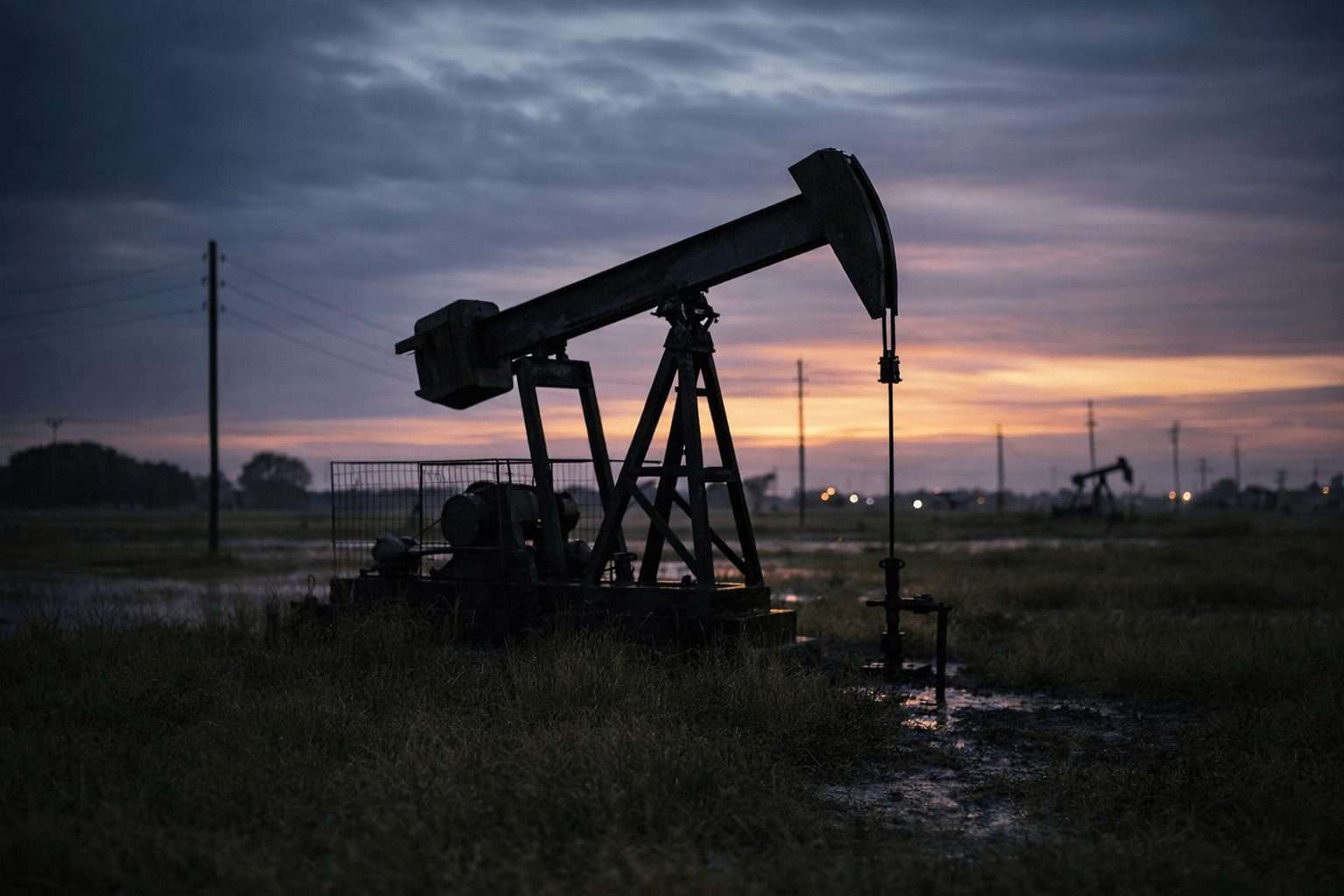
Oil briefly topped $119 a barrel and Wall Street opened lower on Thursday after Iranian attacks on Gulf energy assets jolted markets already uneasy about a Federal Reserve that has turned more cautious on rate cuts. Brent later pulled back to about $113.40, but the spike was enough to put inflation back at the center of the trade. 1
The move matters now because the oil shock landed just after U.S. producer prices rose 0.7% in February and 3.4% from a year earlier, while the Fed lifted its inflation outlook for 2026. Average U.S. gasoline prices have climbed to $3.88 a gallon, about 30% above where they stood before the war, raising the odds that households and companies absorb another fuel-cost hit. 2
The Fed held its benchmark rate at 3.50% to 3.75% on Wednesday and said the economic effects of developments in the Middle East were uncertain. Its latest projections put 2026 PCE inflation at 2.7% and core PCE, the Fed’s preferred measure of underlying inflation that strips out food and energy, at 2.7% as well, while the median year-end fed funds view stayed at 3.4%, implying only one quarter-point cut this year. 3
Chair Jerome Powell said higher energy prices would push up overall inflation in the near term and that policymakers were watching whether costlier diesel, jet fuel and other petroleum inputs spread into broader prices. He said the Fed was prepared “to do what needs to be done” if needed, while arguing the U.S. was still far from a 1970s-style period of weak growth and high inflation. 4
The immediate trigger was supply. Iran struck facilities in Qatar, Saudi Arabia, Kuwait and the United Arab Emirates after Israel hit Iran’s South Pars gas field, and QatarEnergy said missile strikes caused “extensive damage” at Ras Laffan, the hub of its liquefied natural gas, or LNG, operations. European gas prices jumped 28%, and traders were forced to think again about the Strait of Hormuz, the chokepoint that normally handles roughly a fifth of global oil and LNG flows. 5
U.S. stocks had already taken a hit on Wednesday, when the Dow fell 1.63%, the S&P 500 lost 1.36% and the Nasdaq dropped 1.45%. Selling resumed at Thursday’s open, with the S&P 500 down another 0.63%, the Nasdaq off 1.27% and the rate-sensitive Russell 2000 sitting 10% below its all-time intraday high. 6
Anthony Saglimbene, chief market strategist at Ameriprise, said investors were less focused on the Fed than on oil supply risk and the question of when Gulf shipping and output normalize. Charu Chanana, chief investment strategist at Saxo in Singapore, called the latest escalation a “turning point for markets” because it is now hitting the “plumbing of the global energy system.” 6
The policy shock is not just a U.S. story. The Bank of England held rates at 3.75% in a unanimous vote on Thursday and said inflation could rise as high as 3.5% over the next two quarters, while the European Central Bank kept its key rate at 2% and warned the war would materially lift near-term inflation through higher energy prices. Bailey later pushed back on market bets for quick UK rate increases, saying traders were getting ahead of themselves. 7
There is still a route to calmer markets. Brent retreated sharply from its intraday peak, and the Trump administration is weighing steps to loosen supply, including possibly removing sanctions on about 140 million barrels of Iranian oil stranded on tankers. If the attacks stop and Gulf exports resume, the inflation hit could fade faster than traders now expect. 1
But the downside is easy to see. More damage at Ras Laffan or a longer disruption around Hormuz would keep oil, gas and rate expectations moving the wrong way for investors, and traders in Europe have already swung toward pricing multiple hikes from the ECB and BoE while U.S. rate-cut bets have thinned out. What looked like a brief commodity shock a few days ago is starting to look more stubborn. 8