
BEIJING, April 20, 2026, 22:33 (CST)
- Oppo is set to launch the Find X9 Ultra and Find X9s Pro globally on April 21, with the event scheduled for 19:00 China time.
- Confirmed specs for the Ultra: a 2K 144Hz display, Snapdragon 8 Ultra chip, 7,050mAh battery, plus 100W wired charging, according to the company.
- For the first time, Oppo is taking its flagship “Ultra” device outside China—ratcheting up the heat on Samsung and Apple in the premium camera phone market.
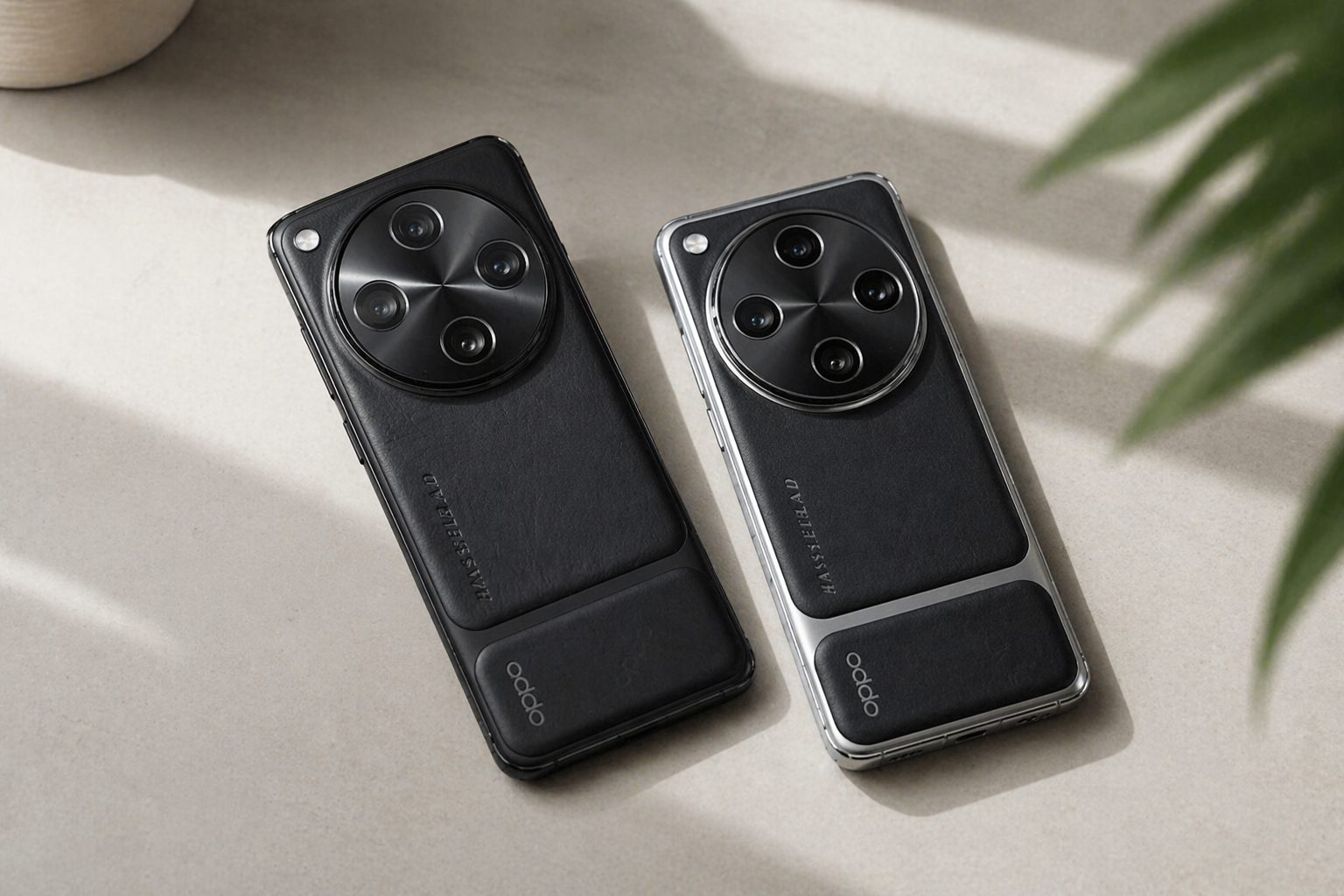
Oppo plans to debut its Find X9 Ultra on Tuesday, pushing further into the premium smartphone segment. The device features a Hasselblad-branded camera system and a hefty 7,050mAh battery, marking the first time this model will roll out globally after being mostly limited to China. According to the company’s China event page, both the Find X9 Ultra and the Find X9s Pro are set for a 19:00 launch on April 21, promoted as an Oppo-Hasselblad imaging collaboration.
Timing’s key here. Phone makers are scrambling to stand out on camera specs while annual improvements look minor to shoppers. Oppo has the Find X9 Ultra pushing into new markets—its priciest camera phone breaking out of China for the first time, as the company confirmed back in March.
Oppo is stepping straight into competition with Samsung’s Galaxy Ultra line and Apple’s iPhone Pro Max, particularly in Europe and the UK. Over in the UK, Oppo’s site has kicked off pre-registration for the Find X9 Ultra. On the global site, the device is pitched as “Your Next Camera,” highlighting its Hasselblad co-development. OPPO
Oppo Europe chief Elvis Zhou called the Find X9 Ultra launch a proving ground for what “Ultra” should mean. “In 2026, many devices will carry the ‘Ultra’ label. We believe the title must be earned. With Find X9 Ultra, we are setting a new benchmark for mobile imaging,” Zhou told the audience during an Oppo media event in Barcelona, citing the company. OPPO
Oppo is sticking a 2K display with a 144Hz refresh rate on the Find X9 Ultra, the company confirmed before launch. That translates to the screen refreshing as many as 144 times each second—good news for anyone who wants smoother motion. The display’s minimum brightness drops as low as 1 nit, so glare shouldn’t be a problem in dark environments.
Under the hood, the phone packs a Snapdragon 8 Ultra, working alongside Oppo’s own Tide Engine—Oppo claims that system should keep gaming frame rates high. Powering the device is a hefty 7,050mAh battery, with 100W wired and 50W wireless charging on the spec sheet. That battery puts it at the upper end of the flagship field.
The camera’s still front and center. Official teasers show a quad-camera lineup: a pair of 200-megapixel sensors, a 50-megapixel camera with 10x optical zoom, plus a 50-megapixel ultra-wide. That covers a focal length equivalent from 14mm out to 230mm. With optical zoom, the lens handles magnification instead of mostly leaning on software crops.
Oppo has released official images taken with the Find X9 Ultra’s zoom cameras—Champions League action, views of the Great Wall of China. The focus here is on distance: 10x optical zoom, a 230mm equivalent focal length, and there’s even a teleconverter accessory if you want to push that reach further.
Oppo is rolling out Hasselblad Master Mode 2.0 for its latest camera software, promising support for both RAW MAX and JPEG MAX on six focal lengths, according to Notebookcheck. RAW files, which hold onto more unprocessed data, let photographers push edits further. In addition, Oppo is highlighting a claimed 16EV dynamic range—meaning the camera can retain more detail across shadows and highlights in a single shot.
Oppo plans to roll out ColorOS 16.1 alongside its new hardware. According to Smartprix, the software will show up first in China with the Find X9 Ultra and Find X9s Pro, introducing a revamped camera UI, a lock-screen live-activity feature called Lockscreen Island, stacked notification previews, and more fluid animations.
Oppo is using the device to widen its rollout strategy. Its Malaysia site shows the Find X9 Ultra arriving April 21, alongside ecosystem products like the Watch X3 and Enco Clip2 earbuds. Over on the global event page, the Find X9s also gets a mention as part of the launch lineup.
Plenty of uncertainty lingers. Oppo still hasn’t nailed down the final price tags for each market, and those slick promo shots don’t always line up with real-world results. T3’s Mike Lowe, currently testing the device under embargo, said he can’t go into camera performance yet. Oppo itself has flagged that software options could vary by region, according to notes on its event page.
The launch is a test for Oppo: can a spec-loaded camera phone actually carve out share from heavyweight premium competitors? So far, the company isn’t hiding its intentions. The Find X9 Ultra isn’t pitched as just this year’s Android flagship. Oppo is pushing it as its strongest effort yet to position a phone as a pocket camera for buyers beyond China.