New York, February 23, 2026, 07:36 EST — Premarket
- Pfizer slipped roughly 0.7% to $26.65 in premarket trading, following a $26.83 finish on Friday.
- U.S. stock index futures dropped as fresh doubts resurfaced about President Donald Trump’s tariff strategy
- Another spotlight on weight-loss drugs, as Eli Lilly got a lift from Novo Nordisk’s latest trial result.
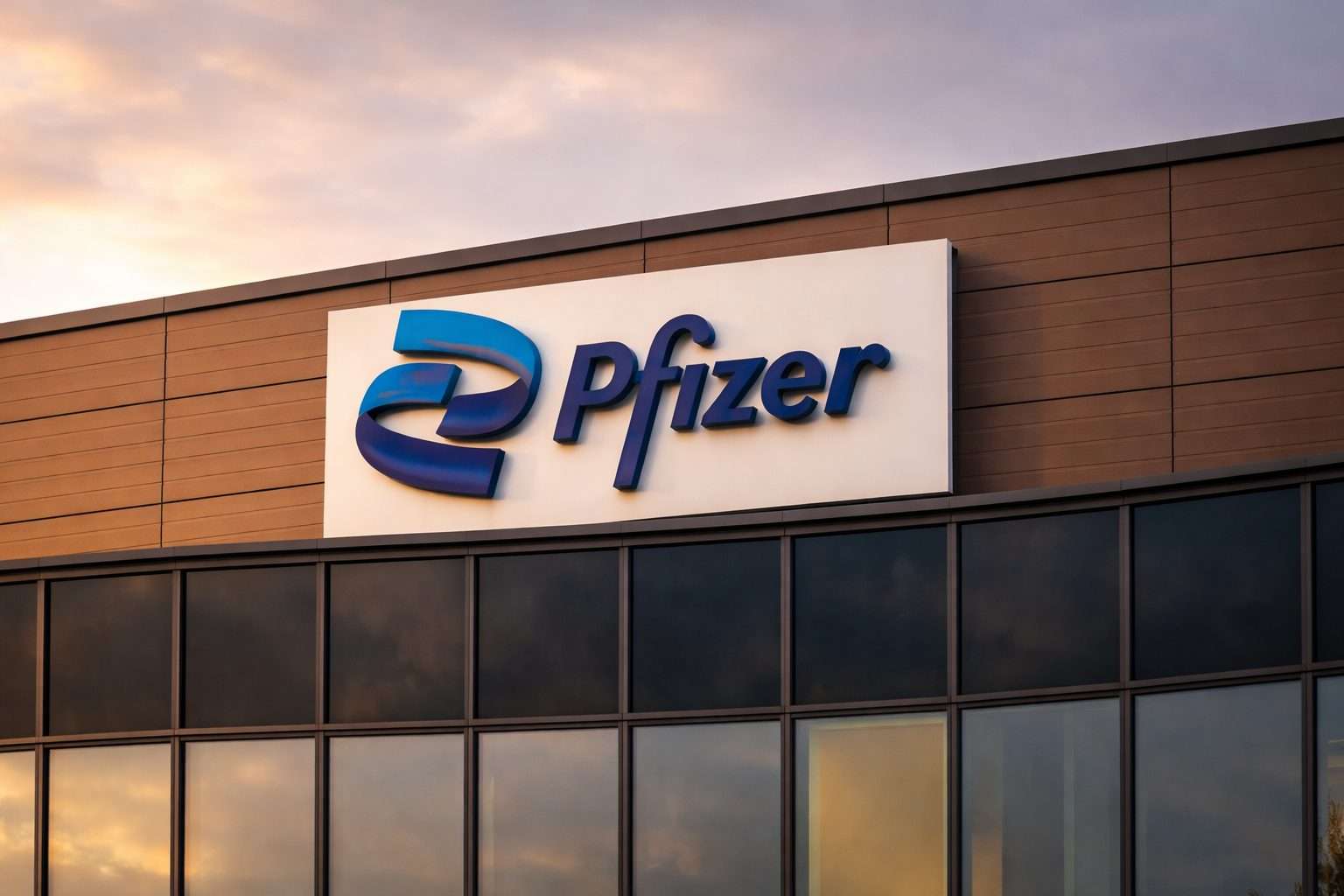
Pfizer Inc slipped around 0.7% to $26.65 ahead of the opening bell Monday.
Wall Street futures slipped, with investors digesting fresh tariff worries after President Donald Trump revealed a new 15% duty in the wake of a Supreme Court decision that invalidated his earlier, sweeping levies. “It’s really hard from a business standpoint” to plan around shifting tariff rules, said Arthur Laffer Jr., president of Laffer Tengler Investments. Reuters
Drugmakers split on the day. Eli Lilly picked up gains after Novo Nordisk revealed its new obesity treatment, CagriSema, didn’t outperform Lilly’s tirzepatide in direct comparison—sending Novo’s shares plunging in Europe. “This is a fairly big setback,” said Henrik Hallengreen Laustsen, analyst at Jyske Bank. Reuters
This hits home for Pfizer, which is pushing to carve out its next revenue stream in obesity—a space where investors have shown little patience for murky data. Earlier this month, Pfizer reported its experimental obesity drug PF’3944, a GLP-1 receptor agonist, achieved up to 12.3% mean placebo-adjusted weight loss at 28 weeks in a mid-stage trial. (“Placebo-adjusted” here means they compared weight loss with a dummy injection group.) The company also said it aims to move 10 Phase 3 studies for PF’3944 forward in 2026, with a detailed VESPER-3 data readout slated for June 6 at the American Diabetes Association’s scientific sessions. Pfizer
Pfizer last delivered a significant update with its Feb. 3 quarterly report, topping profit forecasts and sticking with its guidance for 2026. The drugmaker reported $17.56 billion in revenue and adjusted earnings of 66 cents per share—those figures leave out certain items—and reiterated its 2026 outlook: revenue between $59.5 billion and $62.5 billion, adjusted EPS in a $2.80 to $3.00 range. Management pointed to anticipated pressure from drug pricing deals struck under the Trump administration as a factor. “The big question is” whether all the deal activity will ultimately benefit Pfizer, Aptus Capital Advisors portfolio manager David Wagner said at the time. Reuters
Shares of Merck climbed after the company announced plans to divide its human-health operations into two segments and form a standalone cancer unit built around Keytruda. The move highlights the steps big pharma is taking as patent cliffs approach.
Pfizer isn’t getting a free pass here. The obesity space is packed, and its candidate still faces the hurdles of late-stage data and regulatory approval. Any unexpected issues with safety or tolerability could swiftly knock down expectations.
For investors eyeing dividends, there’s a date to circle: Pfizer’s board approved a quarterly cash payout of $0.43 per share. The dividend lands March 6, 2026, for those holding shares as of Jan. 23, 2026.