ZURICH, February 4, 2026, 16:18 (CET)
- ETH Zurich researchers sent a four-legged robot onto Mount Etna to sample volcanic gases in hazardous terrain
- The system pairs a quadruped robot with a mass spectrometer to identify and measure gases close to the ground
- Wind and rough conditions can still scatter plumes and limit fully autonomous runs
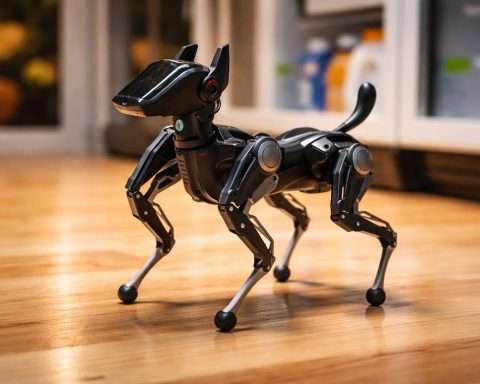
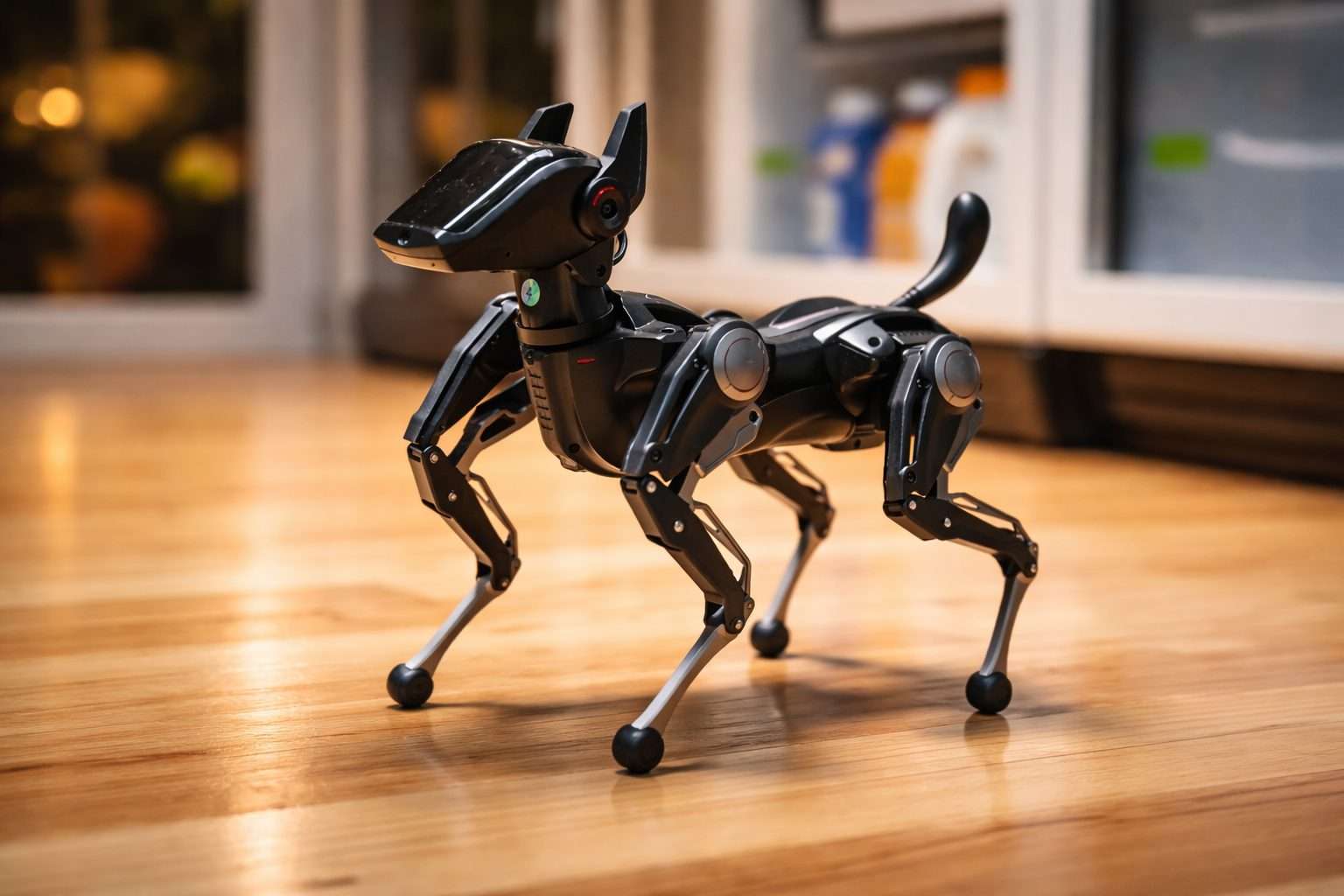
Researchers at ETH Zurich have sent a four-legged robot “dog” onto the slopes of Italy’s Mount Etna to autonomously sniff out gases that can signal changes in volcanic activity, aiming to reduce the risks of sending people into hazardous terrain. (Reuters)
Volcano work is often a trade: the best readings come from the worst places. Getting close to vents can mean loose rock, dust and heat, and the conditions change fast.
The pitch for a walking robot is simple. Put the sensor where it needs to be, more often, without putting a person in the same spot.
In a paper posted on arXiv, Julia Richter and colleagues described a system built around ANYmal, a quadruped robot carrying a quadrupole mass spectrometer — an instrument that identifies gases by sorting molecules by mass. The researchers wrote that “Volcanic gas emissions are key precursors of eruptive activity” and reported three autonomous missions on Mount Etna with autonomy rates of 93% to 100%, plus a remotely controlled run at fumaroles, or gas vents, that detected sulfur dioxide and carbon dioxide. (arXiv)
A project page for the work said the roughly 50‑kg robot carried an INFICON Transpector MPH mass spectrometer in a protective cage, while lidar and multiple cameras fed mapping and navigation. It said the team planned missions using OpenStreetMap data and terrain-aware local navigation, and used a reinforcement-learning controller — training by trial and error — tuned to handle the added payload. The page said the robot detected five of eight deployed helium sources, with wind-driven plume dispersion a key limitation, and averaged about 96% autonomy across the autonomous missions. (Github)
But volcano terrain does not care about your autonomy stack. Strong winds can shred a gas plume before any sensor sees it, and a bad patch of ground can still force a hand back onto the controls.
The work also highlights a practical point that gets lost in robot demos: sensing is the hard part, not the walking. A mass spectrometer is a lab-grade tool pushed into grit, vibration and shifting air.
Volcano monitoring already leans on fixed stations, satellite passes and, increasingly, drones, but each leaves gaps. A legged robot can grind out close-range sampling where wheels bog down and flight time runs short, at the price of slower coverage and more wear.