
LONDON, April 8, 2026, 13:19 BST
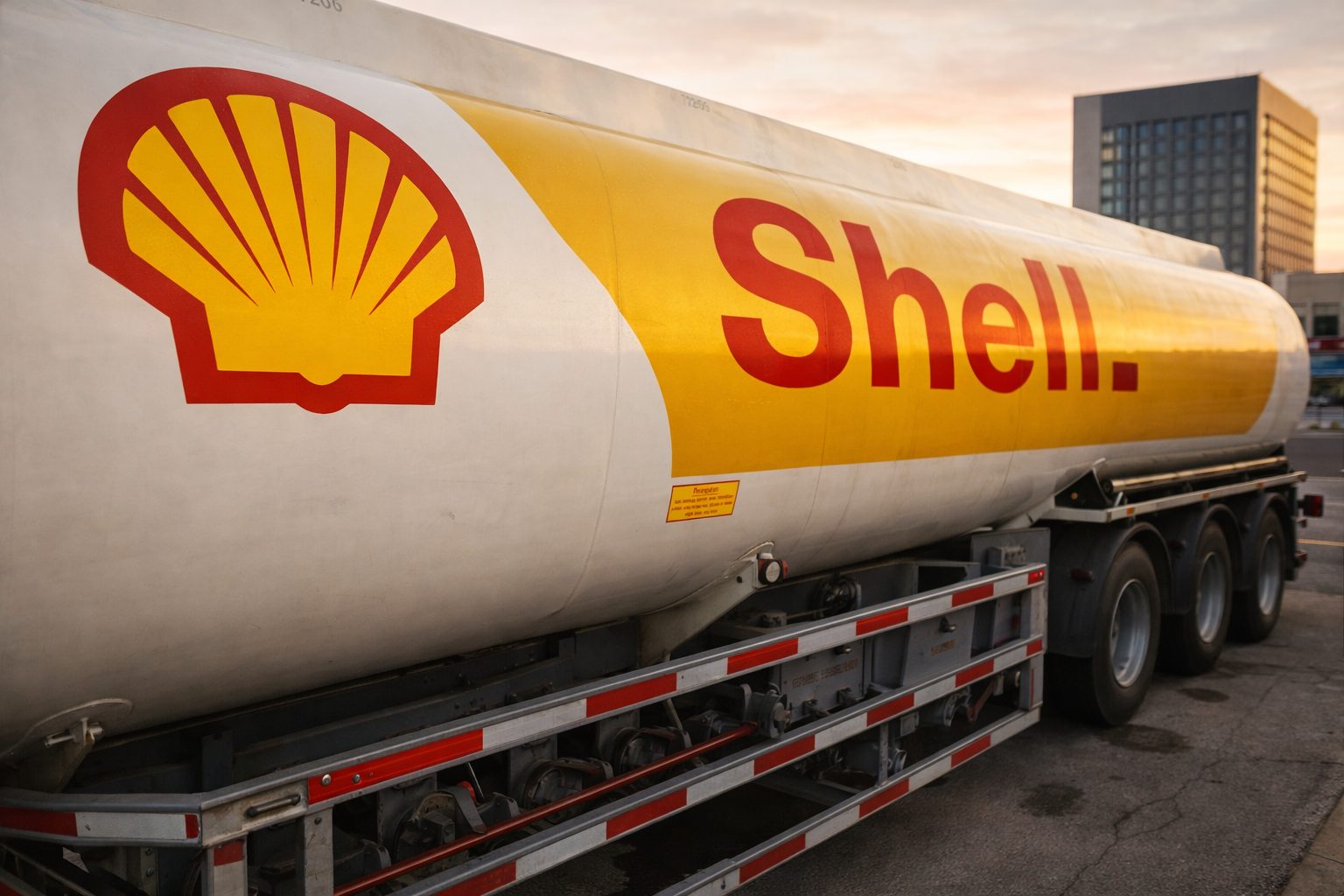
Shell Plc flagged on Wednesday that first-quarter gas production will fall short of its previous forecast, citing ongoing volatility in commodity markets that could push working capital as low as negative $15 billion—possibly as little as negative $10 billion. Oil trading and fuel marketing, however, are showing gains. The company’s trading update, coming ahead of its scheduled results next month, gives an early glimpse into how the Iran conflict is impacting a major oil producer’s quarterly performance.
This time, the tables have shifted: Brent crude slipped under $100 a barrel following the two-week U.S.-Iran ceasefire news. Still, BP, Shell, and TotalEnergies were each trading 6% to 9% lower in Europe. Investors are left trying to gauge whether any of that first-quarter windfall actually holds up.
Shell lowered its integrated gas forecast for the first quarter, now expecting 880,000 to 920,000 barrels of oil equivalent per day, down from its earlier range of 920,000 to 980,000. The company kept LNG output steady at 7.6 million to 8.0 million tonnes, crediting support from LNG Canada. Indicative refining margins moved up to $17 a barrel from $14, and Shell flagged a significant jump in trading results for chemicals and products compared to the previous quarter.
Gas woes are hitting Qatar hard. After the March attacks on Ras Laffan Industrial City, Shell’s Pearl gas-to-liquids plant halted output. Reuters said one of the damaged trains might need a full year for repairs.
Cash presents another wrinkle. Shell flagged working capital, which tracks short-term cash caught in inventories and receivables, projecting it between negative $10 billion and negative $15 billion. The price shock skewed values across those balances. Analysts at RBC bumped their Q1 net income forecast to $6.8 billion, while UBS went a touch higher at $6.9 billion, according to Reuters.
Even before crude’s jump on Wednesday, analysts had been anticipating a robust quarter. Back on March 26, Roth Capital Partners’ Leo Mariani remarked, “The first quarter is going to be phenomenal for these companies.” Shell analysts, according to Reuters, had already been nudging their estimates upward ahead of Wednesday’s update. Reuters
Other majors aren’t immune to the swings. Exxon projected Wednesday that stronger oil and gas prices might boost its first-quarter upstream profit by as much as $2.9 billion, despite output falling 6% due to the conflict. Downstream? Finance chief Neil Hansen said the accounting drag there is expected to “unwind over time.” Reuters
Sawan has spent weeks raising alarms about supply. “Countries cannot have national security without energy security,” Shell Chief Executive Wael Sawan said at CERAWeek last month. He warned that Europe may soon see shortages shifting from jet fuel over to diesel and gasoline. Reuters
The risk is still on the table. Physical oil markets are tight, Reuters said, even with Brent slipping. Hargreaves Lansdown’s Matt Britzman pointed to Hormuz: unless movement through the strait improves, “feels essential” was his phrase, don’t expect a big pullback in prices. Over in Brussels, the European Commission isn’t expecting a quick fix to the energy crunch either. Reuters
Shell pointed to gains in marketing and oil trading, plus fatter refining margins, as factors that should cushion the blow from weaker gas. For its renewables and energy solutions arm, the company sees adjusted earnings landing somewhere between $200 million and $700 million. Shell reports its full first-quarter numbers on May 7.