
London, April 25, 2026, 17:06 (BST)
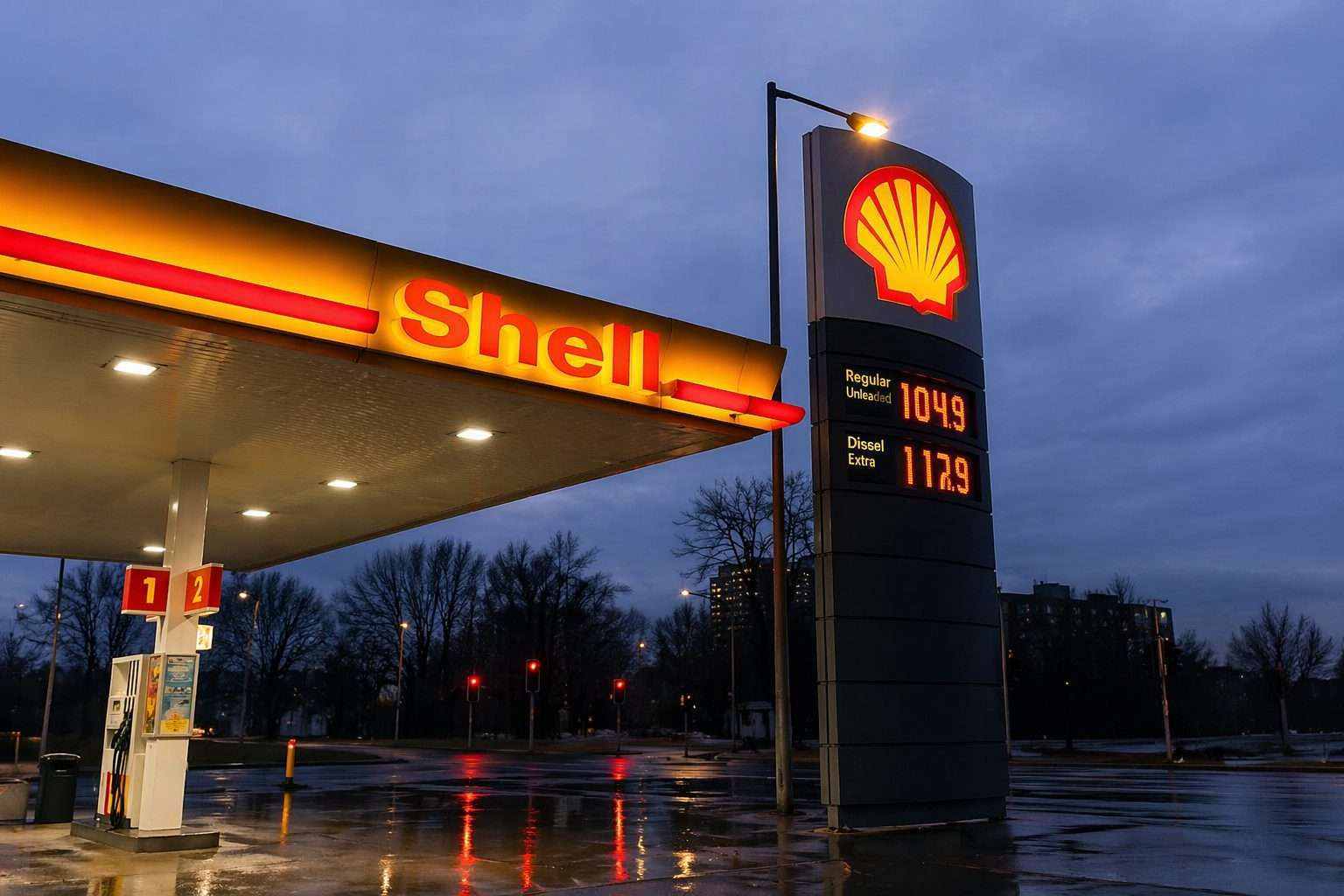
Shell Plc snapped up roughly 1.45 million shares for cancellation on Friday, pushing forward with its buyback just days ahead of the scheduled end for its $3.5 billion program. According to a company notice, the purchases spanned both London and European trading venues. Average prices landed near £33.17 to £33.20 in the UK, and between €38.27 and €38.29 on euro exchanges.
This is significant: buybacks now stand out as a leading indicator of Shell’s approach to managing cash. Simply put, a buyback means the company is purchasing its own shares, then cancelling them. That shrinks the overall share count, potentially boosting returns per share even if profit growth wobbles. According to Shell, the buyback programme aims to cut issued share capital, with every repurchased share set for cancellation.
Shell faces a narrow window: its buyback program, divided between London and Netherlands contracts with a $1.75 billion ceiling on each, wraps up May 1. First-quarter earnings land on May 7.
Shell has flagged increased uncertainty in its first-quarter outlook, citing the Middle East conflict. In its April 8 update, the company projected integrated gas production between 880,000 and 920,000 barrels of oil equivalent per day, a drop from 948,000 in the previous quarter. Trading in chemicals and products, however, is expected to be sharply higher compared to the last quarter.
Shell’s update came on the heels of Thursday’s announcement, when the company repurchased roughly 1.32 million shares for cancellation. Trading choices are being handled independently by Morgan Stanley & Co. International Plc, which is running the buyback programme through May 1, according to Shell.
Investors have kept a sharp eye on Shell’s payout approach since February. That’s when the company posted a fourth-quarter net profit of $3.3 billion—falling short of forecasts—but still committed to its $3.5 billion quarterly buyback. Shell’s 40% to 50% payout range is “sacrosanct,” Chief Financial Officer Sinead Gorman told reporters, according to Reuters. Reuters
The skepticism wasn’t new. Back in January, RBC’s Biraj Borkhataria questioned if Shell could “hold the line” on its buyback following a soft quarter. Kim Fustier at HSBC also flagged doubts, saying she was “less confident” the energy giant could keep buybacks at $3.5 billion. Reuters
Shell is taking a different tack than some of its peers. BP halted buybacks back in February to focus on paying down debt, and Equinor slashed its 2026 buyback target by 70%. Over at ExxonMobil, the company is still aiming to repurchase $20 billion in shares by 2026—assuming market conditions hold up.
But willingness isn’t the only factor this time. Shell is staring down a hefty first-quarter working-capital outflow of $10 billion to $15 billion—a temporary cash hit linked to swings in inventory, receivables, and payables as commodity prices jolted. Should trading windfalls cool off or debt creep up, the company might pare back the next tranche, even if the current one wraps up as planned.
Legal clouds hang over Shell as well. This week, a Dutch climate organization filed a fresh lawsuit aiming to block the company from putting money into additional oil and gas developments. Shell dismissed the suit, calling it “unreasonable, unrealistic and fundamentally misplaced.” The court hasn’t scheduled a hearing yet. Reuters
So far, Shell’s late-April filings confirm it’s sticking with the mandate set back in February. The real test lands May 7—either the company keeps buybacks humming at the current speed, or gives a hint that something shifted in the first-quarter math.