
LONDON, July 7, 2026, 15:05 BST
- Shoe Zone’s indicated mid-price was 47.5p, up 6.7% from the 44.5p previous close, with a 45p/50p bid-offer spread and volume of 78,244 shares.
- Implied turnover using the reported VWAP was about £36,900, small against a market value of about £22 million.
- The latest interim results showed revenue down 12.0% and an adjusted pre-tax loss of £5.3 million; full-year adjusted loss guidance remains £1 million to £2 million.
- The Smith family raised its stake to 64% in May after share purchases at 50p, above Tuesday’s indicated mid-price.
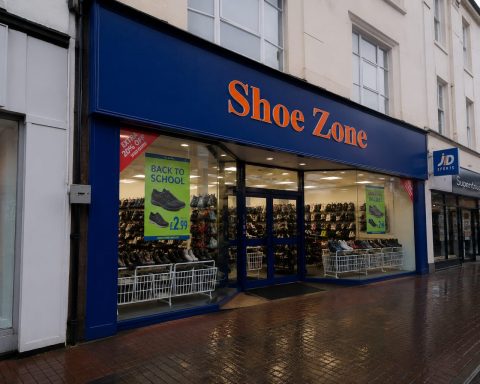
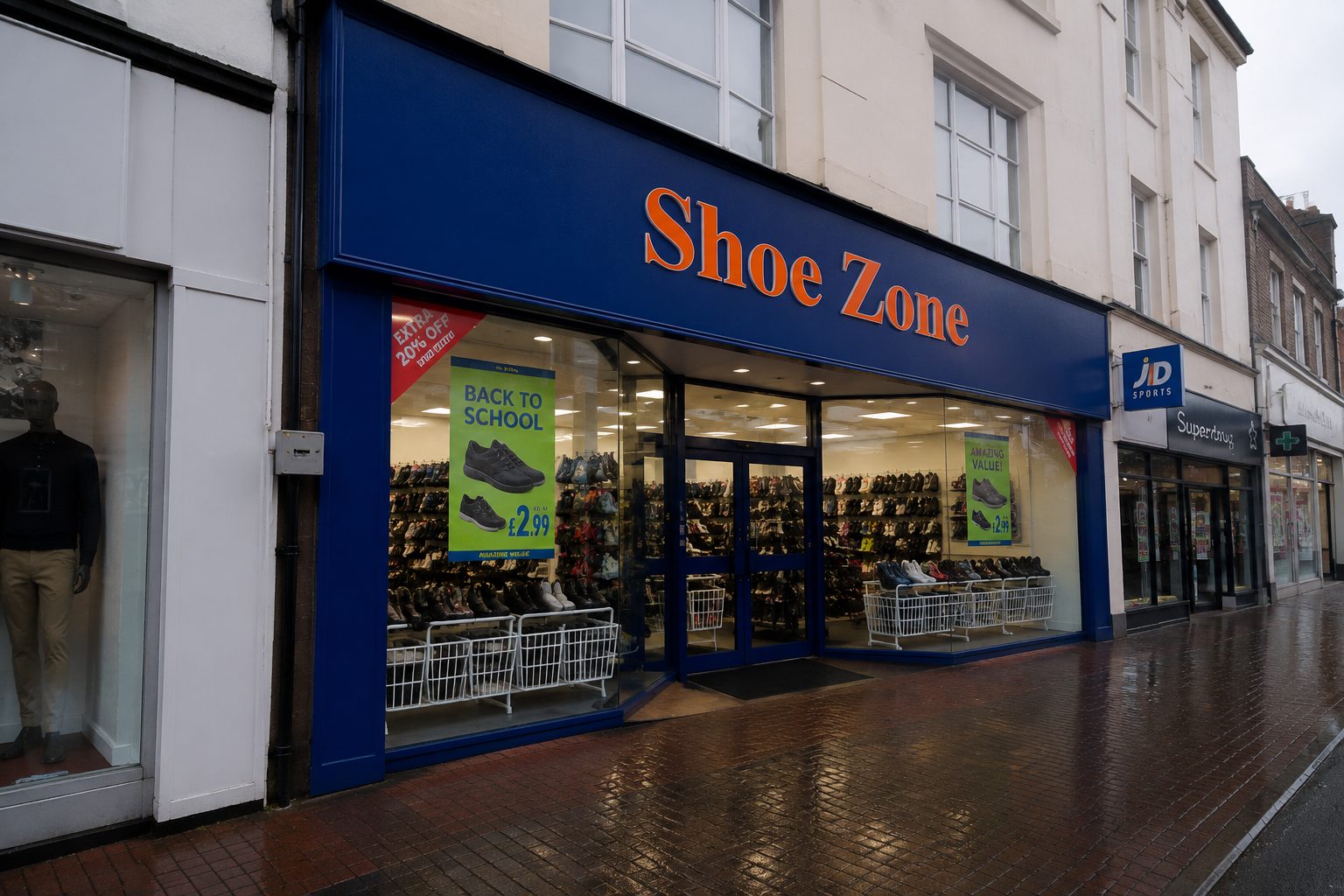
Shoe Zone PLC LON:SHOE rose in London on Tuesday, but the tape showed a small amount of cash moved the stock. The bid-offer spread was 45p to 50p and London South East data showed a 47.5p price at 13:00:13 BST, up 3p on the day. The latest ordinary trade shown was a 10,000-share buy at 48.45p at 12:56:12 BST.
The stock’s listed regulatory-news feed showed no Shoe Zone RNS after May 20, when holdings and director-dealing notices followed the May 11 interim results and the April 22 profit warning. That makes Tuesday’s move mainly a liquidity and register story, not a fresh earnings story.
| Market read-through | Latest confirmed data |
|---|---|
| Indicated mid-price | 47.50p |
| Change from previous close | +3.00p / +6.74% |
| Bid / offer | 45.00p / 50.00p |
| Day volume | 78,244 shares |
| VWAP | 47.13688p |
| Implied traded value | About £36,900 |
| Market capitalisation | £21.96 million |
| FTSE AIM All-Share | 774.06, down 0.60% |
Volume looked heavy for Shoe Zone by recent standards. MarketWatch put volume at 78,200 shares, or 227% of its 65-day average. But the cash value was still less than 0.2% of the company’s market value, which is why a wide spread matters for investors in this name.
The register is tight. In May, Chair Charles Smith bought 1.2 million shares at 50p and Anthony Smith, his brother, bought 1.5 million at the same price, taking the Smith family holding to 64% from 58%, AJ Bell reported, citing Alliance News.
At 47.5p, the stock is still 5% below the Smith family’s May purchase price. With 46.23 million shares in issue and 64% held by the family, about 16.6 million shares sit outside that family holding. Tuesday’s volume was less than 0.5% of that amount.
The operating numbers explain why the rebound has not repaired the year’s damage. Shoe Zone’s May interim statement showed lower revenue across stores and digital, a wider loss and no interim dividend.
| Latest results | H1 2026 | H1 2025 / reference |
|---|---|---|
| Revenue | £62.9 mln | £71.5 mln |
| Store revenue | £45.8 mln | £53.3 mln |
| Digital revenue | £17.1 mln | £18.2 mln |
| Loss before tax | £5.3 mln | £2.3 mln loss |
| Adjusted loss before tax | £5.3 mln | £2.6 mln loss |
| Net cash | £7.5 mln | £1.7 mln |
| Stores at period end | 259 | 269 at FY 2025 year-end |
| H1 store actions | 4 opened, 14 closed | 3 refits |
The margin detail is the harder part for bulls. Product margin rose to 61.7% from 59.4%, helped by lower container prices and sterling-dollar moves, but gross profit margin fell to 11.8% from 15.4%. Shoe Zone said fixed store costs such as rent, rates and depreciation do not fall in line with sales.
Chairman Charles Smith said in the interim statement that Shoe Zone had experienced a “very challenging trading environment” against weak consumer confidence and global economic volatility. The company ended the period with 259 stores, including 206 larger-format stores and 53 original stores. Investegate
The April trading update cut the full-year adjusted pre-tax outlook to a loss of £1 million to £2 million from a previous forecast of £1 million profit. Shoe Zone said weaker confidence after the last two UK budgets and Middle East issues had led to lower footfall, less discretionary spend and higher container and transport costs.
At a market value of about £22 million, Shoe Zone trades at roughly 15% of its 2025 revenue of £149.1 million and about 2.9 times the £7.5 million net cash reported at the half year. The low sales multiple is set against a store base where falling revenue is still pushing fixed costs through the income statement.