TAIPEI, March 24, 2026, 03:40 (UTC+8)
- TrendForce said average smartphone storage capacity is set to rise 4.8% in 2026 despite higher NAND flash prices. 1
- On-device AI features can require 40GB to 60GB of system storage for local processing. 1
- Analysts still expect higher memory costs to push up handset prices and weigh on lower-end demand. 2
Average smartphone storage capacity is set to rise 4.8% in 2026 even as NAND flash, the storage memory used in phones, gets more expensive, TrendForce said on Monday. The research firm said on-device AI features now need 40GB to 60GB of system space, pushing brands to lift base storage instead of cutting specifications. 1
That matters now because higher memory bills are already squeezing the handset market. IDC said in February that 2026 smartphone shipments could fall 12.9% to 1.12 billion units, while average selling prices rise 14% to a record $523 as brands lean further into premium models. 2
TrendForce said those edge AI models — software that runs on the phone rather than in the cloud — use the storage as cache, or working space reserved for local processing. It also said process upgrades at NAND suppliers are shrinking the supply of low-capacity chips, making smaller storage tiers harder to source. 1
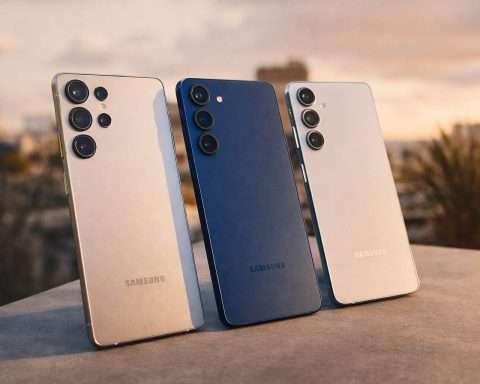
The shift is already visible in flagship lineups. Apple’s iPhone 17 technical specifications list 256GB as the base capacity, Huawei’s global Mate 80 Pro specifications show 16GB of RAM and 512GB of storage, and Samsung’s Galaxy S26 line is listed in 256GB and 512GB variants on Samsung’s site. 3
TrendForce said Apple’s move should lift average iPhone storage faster than Android this year, while premium brands with more room in their margins are more likely to keep higher storage as standard. For mid- and low-end vendors, larger capacities are increasingly being kept as paid upgrades rather than the default. 1
Memory costs help explain the change. TrendForce said in February that memory in a mainstream 8GB/256GB phone had risen from about 10%-15% of the parts bill to 30%-40%, and first-quarter contract prices for that configuration were nearly triple a year earlier. 4
“What we are witnessing is not a temporary squeeze, but a tsunami-like shock originating in the memory supply chain,” Francisco Jeronimo, IDC’s vice president for worldwide client devices, said in February. IDC said Apple and Samsung should be better placed than smaller Android rivals to absorb the hit. 2
The competitive split is getting sharper. TrendForce said premium brands with stronger pricing power are in better shape if costs stay high, while Huawei could prove more resilient in China because of its pricing flexibility and HarmonyOS ecosystem. 4
But the move to bigger storage is not risk-free. Gartner said smartphone prices could rise 13% in 2026 and shipments could fall 8.4%, with analyst Ranjit Atwal calling it the “steepest contraction in device shipments witnessed in over a decade.” 5
TrendForce said 128GB could gradually disappear from mainstream Android phones by the end of 2026, with 256GB becoming the new standard. Whether buyers accept the higher prices may decide how quickly that shift moves beyond the premium tier. 1