
JOHANNESBURG, May 5, 2026, 18:23 SAST
South Africa’s Central Energy Fund on Tuesday slashed the planned May wholesale diesel price hike to R5.27 a litre, down from R6.19, after discovering a decimal error in the fuel levy. According to News24, the mistake traced back to officials subtracting just 0.93 cents from the diesel fuel levy—when they should have deducted 93 cents.
No relief in sight yet. Starting Wednesday, wholesale diesel jumps by 526.7 cents a litre for both regulated sulphur grades. Petrol’s not spared either—both 93 and 95 octane will be up 327 cents a litre, according to the updated CEF schedule.
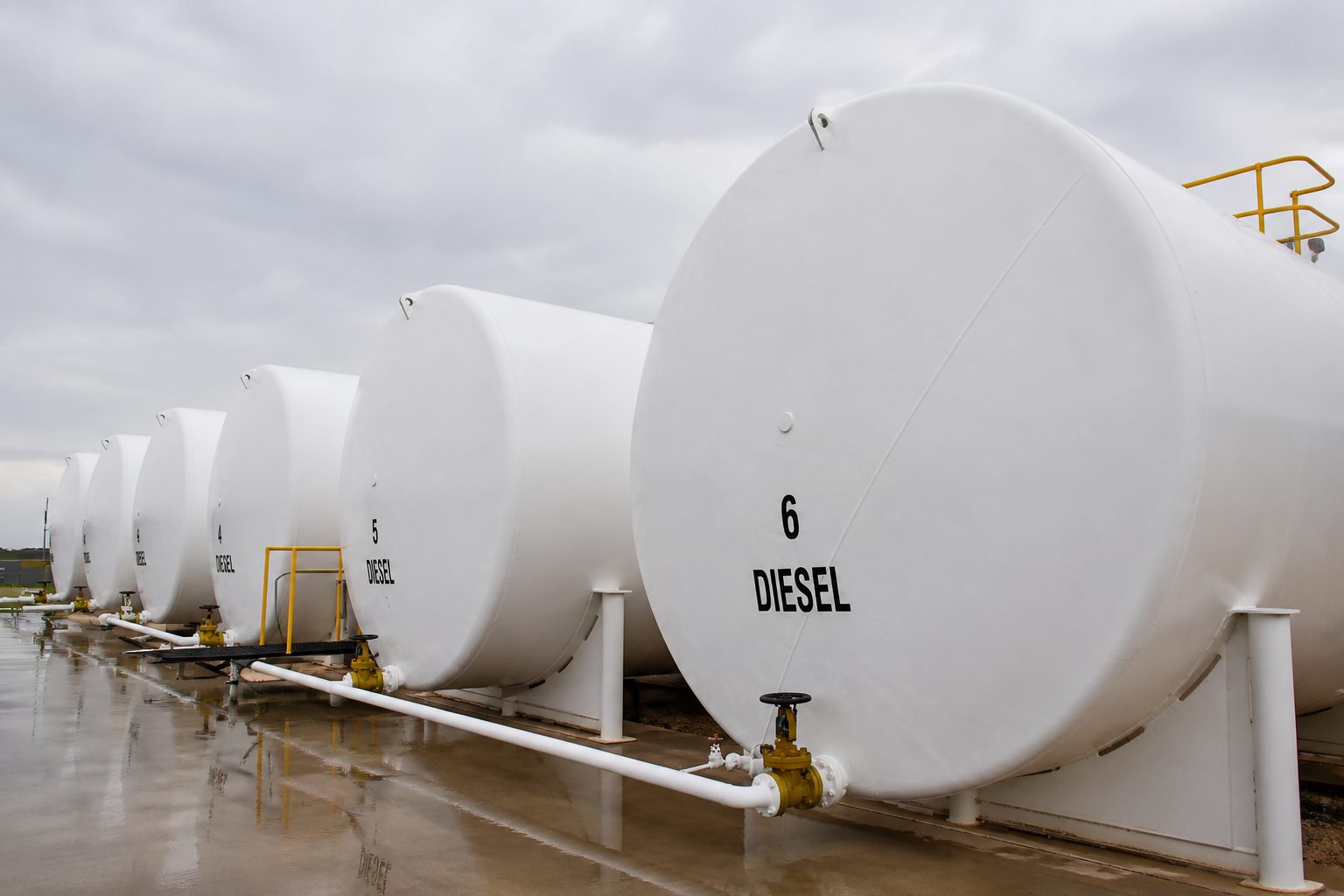
Why does it matter? Wholesale diesel prices remain stuck above R30 a litre, hitting costs for hauliers, farms, taxi operators, bus companies, and businesses relying on generators. eNCA, in a Tuesday update, cast the jump in fuel costs as one piece of a bigger puzzle—rising oil, a pressured rand, and the risk spillover into the wider economy.
The Department of Mineral and Petroleum Resources reported Brent crude averaging $101 a barrel during the review period, up from $93.67. The move comes on ongoing U.S.-Iran tensions, a Strait of Hormuz closure, and infrastructure damage. According to the department, middle distillates—diesel and paraffin—saw sharper price hikes than petrol, driven by stronger demand and tighter Persian Gulf supply.
There’s a local accounting wrinkle here too. The slate levy—a charge applied when regulated fuel prices fall short of covering import or production expenses—will tack on 122.70 cents per litre to petrol and diesel starting May 6. End-March figures show the petrol and diesel slate balance was R14.173 billion in the red.
Petrol prices remain stuck following Tuesday’s correction, as the added relief was directed solely at diesel. According to BusinessTech, there’s no change for petrol this time. Wholesale illuminating paraffin jumps R4.22 per litre, and LPGas in Gauteng climbs R5.07 a kilogram.
Economists flagged the fallout as swift. “It’s like a tax on everyday living,” Momentum Senior Economist Sanisha Packirismy told SABC, as Nedbank’s Johannes Khoza pointed to inflation risks, saying they were “skewed to the upside” if fuel prices and rand weakness held. SABC News
Henry van der Merwe, who chairs the South African Petroleum Retailers Association, put it bluntly: “inflationary pressures will intensify” despite any relief from levies. This week, South African Reserve Bank Governor Lesetja Kganyago flagged the risk that fuel shocks could ripple into broader price gains—especially if higher costs end up pushing up wages and expectations. Business Day
The next moves aren’t locked in. South Africa’s fuel prices shift every month—tracking global oil, refined product costs, and the rand. If oil prices ease or the currency firms up, that could cushion future increases. But there’s a catch: temporary fuel levy relief is set to phase out. BusinessTech says R1.50 per litre will be added back to petrol and R1.97 to diesel in June, with the remainder following in July.