
Portsmouth, England, April 24, 2026, 14:57 (BST)
- Southern Co-op has warned its members that a rejection of the proposed merger with Co-op Group would probably push it into administration, the UK’s insolvency process.
- Directors cited ongoing losses, reduced support from suppliers and banks, and softer trading as reasons why an independent path is no longer viable. The board scheduled the vote for May.
- Southern Co-op’s 300-plus locations—spanning food, funeral, and coffee shops—would be absorbed into the Co-op Group’s far bigger network under the deal.
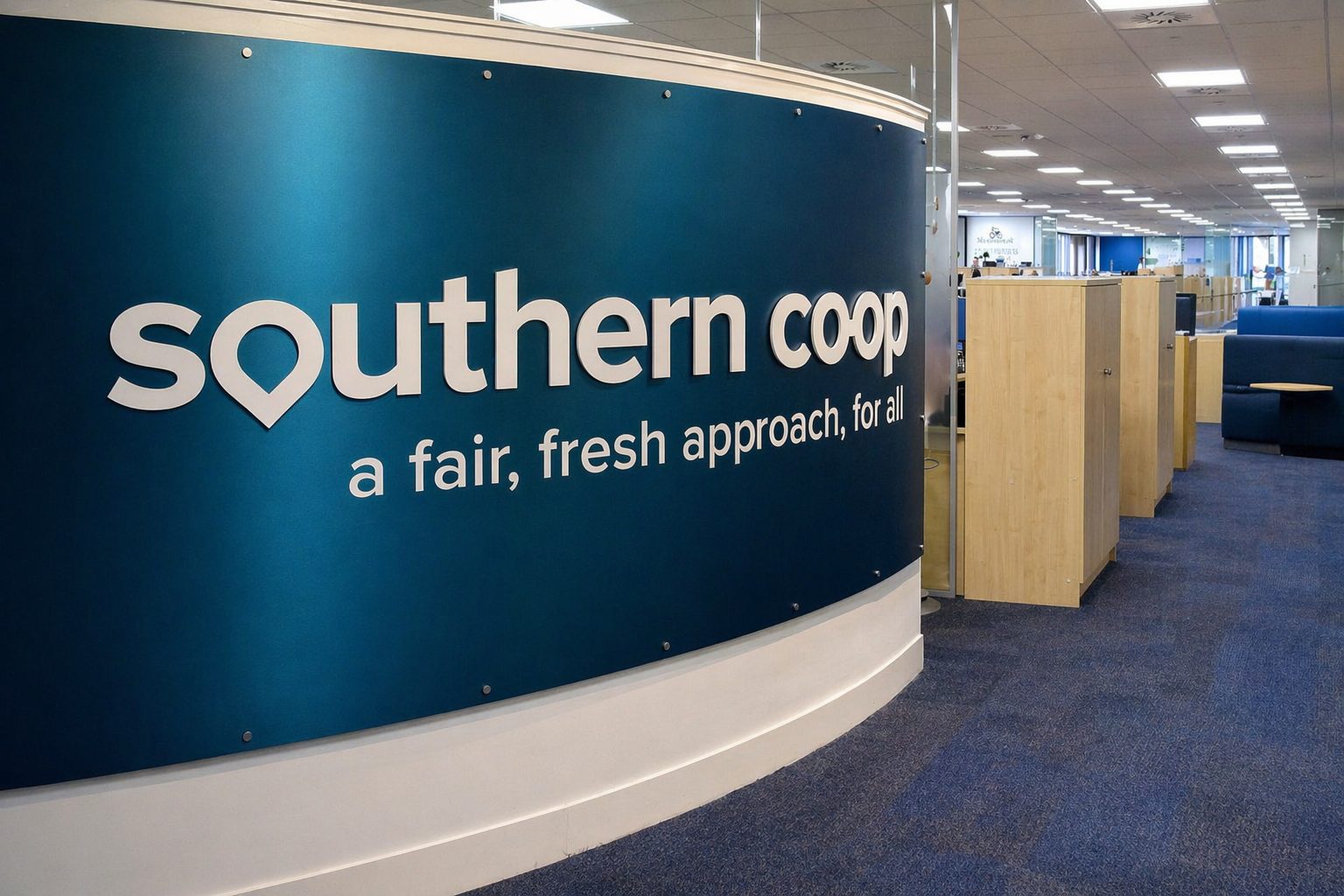
Southern Co-op has told members the business will “most likely” go into administration if they reject a proposed merger with Co-op Group, a move that could jeopardize stores, jobs, and suppliers following three consecutive years of losses. Chair Janet Paraskeva and chief executive Ben Stimson delivered the warning in a message to members, intensifying pressure ahead of two key meetings set for May.
This has become urgent, with the Portsmouth-based co-operative warning its funding window is narrowing. According to the letter, banks and suppliers have helped it stay afloat so far, but there’s no room to boost that support before the window shuts.
Southern Co-op operates over 300 food shops, funeral locations, and Starbucks outlets in southern England, employing around 4,500 people. If approved, its members would join Co-op Group, which already manages more than 2,300 food stores and 800 funeral homes.
The company’s draft numbers lay it out: operating loss before impairment reached £23.5 million, based on a profit-and-loss statement circulated to members. That figure excludes asset write-downs. Total income hit £531.4 million for the year through Jan. 25, 2026. Fourth-quarter closure costs covered 24 stores, according to the statement.
Paraskeva and Stimson informed members there simply wasn’t a “solvent alternative available” that could be put in place fast enough. Later, in their exchanges with OurCoop, the two said the board had looked into whether the £40 million to £50 million required through the end of June might be secured from another source, but determined it wasn’t possible.
Eligible members are set to cast votes in two rounds: first at a special general meeting on May 6, then again on May 21. According to Co-op Group, the initial vote requires a two-thirds majority, while the second meeting calls for a simple majority. The transfer still hinges on regulatory sign-off.
It’s a “transfer of engagements” — that’s the legal mechanism allowing a co-operative to shift assets, liabilities, and obligations to another society. Southern Co-op wants to shift its operations into Siena Co-operative Limited, a newly formed subsidiary under the Co-op Group umbrella, as regulators scrutinize the proposed transaction.
Debbie White, chair of Co-op Group, described the tie-up as offering “new and strengthened opportunities.” Interim CEO Kate Allum cited a “greater range of benefits” available to members. Southern Co-op’s Stimson argued the agreement would “secure the co-operative future” for the group, while Paraskeva labeled it the “best path forward.” Co-operative
The warning underlines just how tough it’s gotten to achieve scale in UK convenience retail. Southern Co-op’s member pack flagged climbing employment costs, pricier energy, more retail crime, and squeezed household budgets—not to mention fierce competition. The pack also pointed to consolidation moves among other co-ops, highlighting the formation of OurCoop by Central Co-op, Midcounties, and Chelmsford Star.
Yet a “yes” doesn’t tie up all loose ends. Southern Co-op noted the Competition and Markets Authority, Britain’s antitrust watchdog, might require some store consolidation if portfolios overlap—other locations could still face the axe under routine commercial assessment. The company also flagged uncertainty around how head-office jobs, product selections and supply arrangements would shift. Southern Co-op
Southern Co-op’s voting guide lays things out plainly: a yes means quick access to cash and the ability to stay in business. If members reject the proposal, the society faces the risk of losing its independence, an external administrator stepping in, and, most likely, heavy job cuts.
For members, suppliers and staff, the May vote has shifted focus—from debating independence itself to calculating what giving it up might mean. “It is not an easy decision,” Paraskeva and Stimson wrote. Still, they argued the merger “protects more jobs, more services” than any other path left on the table.