
New Delhi, May 11, 2026, 17:37 IST
Tata Motors grabbed the spotlight in India’s April auto sales, with the Punch and Nexon SUVs powering a robust passenger-vehicle showing. Electric vehicles kept pace: e-scooter and EV car numbers largely stuck to gains made during March’s surge. Tata’s domestic passenger-vehicle tally hit 59,000 units for the month, a jump of 31% from last year, and sales of electric two-wheelers came in at 148,740 units.
Timing counts here. April kicks off India’s financial year, a period that usually loses steam once the March rush of year-end deals wraps up. Still, FADA Vice President Sai Giridhar pointed out the retail market just logged its “highest-ever April.” The dip from March, he said, wasn’t a sign of demand collapsing but just a typical “post-March seasonal reset.”
Retail sales for passenger vehicles — including cars, SUVs, and vans — held steady. According to JATO Dynamics, India saw registrations hit roughly 4.15 lakh units in April, an 11.2% increase year-on-year. The April total came in below March’s number, but that’s not a sign of cooling demand, said Ravi Bhatia, president of JATO Dynamics India.
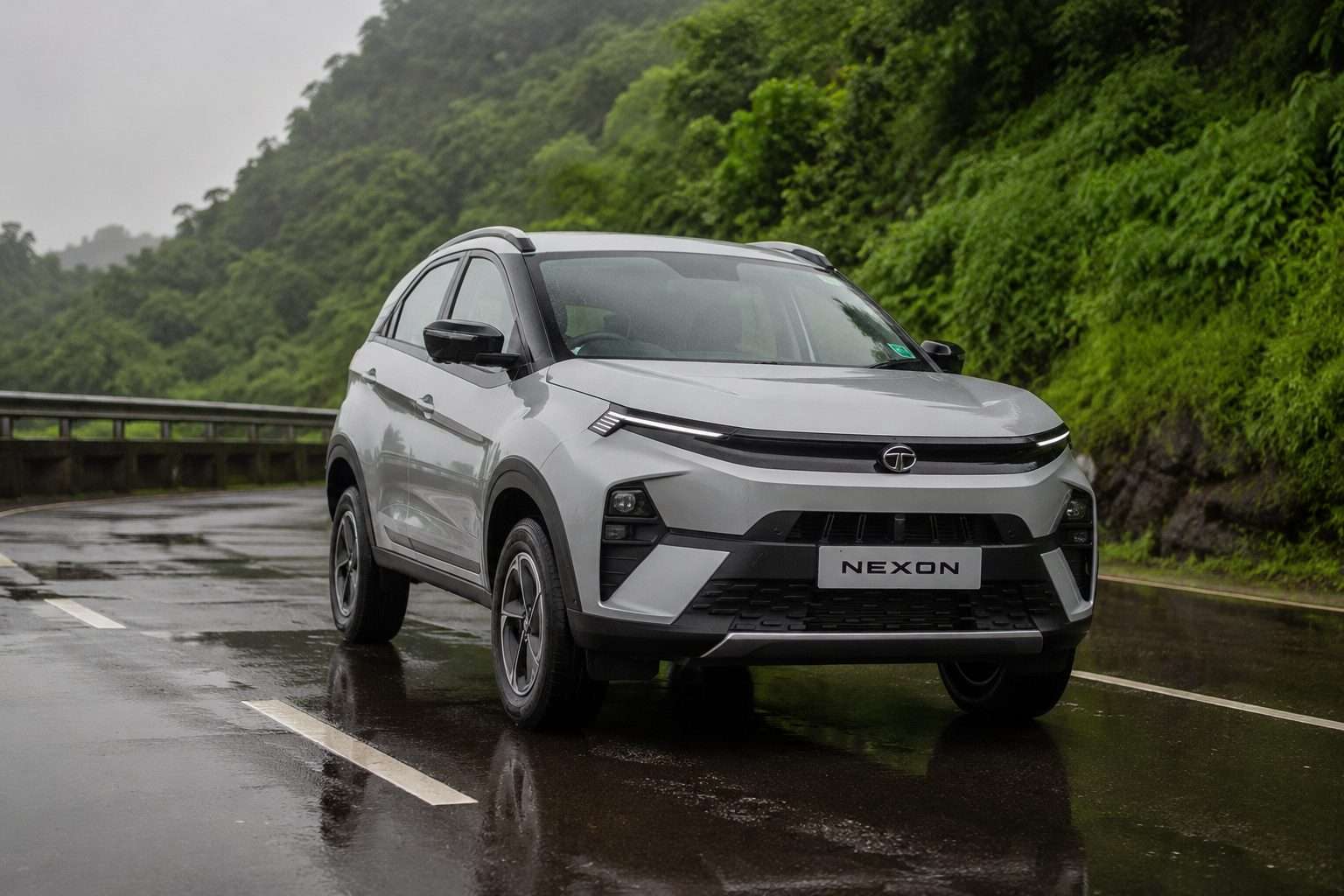
Tata leaned hard on a focused lineup in April. Punch moved 19,107 units, with Nexon close behind at 18,126, according to AutoPunditz—together, that’s over 63% of the company’s passenger-car sales for the month. Sierra, which debuted recently, chipped in 7,316 units but slipped 19% from March. Tiago, Tigor, and Curvv trailed, posting softer numbers.
Including exports, Tata’s total edged higher. In April, the company logged 59,701 passenger vehicles across both domestic and international markets—a 31.1% jump from last year. Electric vehicle numbers stood at 9,150, marking an increase of 72.1%. For context, these dispatch figures count shipments sent out from factories to dealers, distinct from retail registrations, which track actual sales to end customers as recorded by transport authorities.
The competitive landscape stood out too. AutoPunditz counted 441,721 passenger vehicles dispatched in April—up 25% year-on-year, but slipping 1.3% from March. Maruti Suzuki pulled ahead with 187,704 units. Tata came next, then Mahindra at 56,331, and Hyundai logged 51,902.
Electric two-wheelers held onto their spot as the top EV category by volume. TVS Motor posted 37,683 units for April, with Bajaj Auto at 32,898 and Ather Energy logging 27,034. Among the biggest players in Rushlane’s list, only Ola Electric managed to notch month-on-month growth, though its yearly numbers dropped sharply. Year-on-year compares to April 2025; month-on-month is versus March 2026.
The two-wheeler segment wasn’t all about electric vehicles this April. According to JATO, registrations hit roughly 1.92 million units for the month—up 12.9% from last year, though slipping 2.3% from March’s numbers. Motorcycles still made up nearly 59% of those registrations, while electric scooters accounted for about 9%. Bhatia described the current figures as signaling a “mature and predictable market.” JATO
Electric car sales held up, with Team-BHP pulling from the Vahan dashboard to report a 64% jump year-on-year, though numbers dipped 3% from March. Tata topped the chart, moving 8,875 units. Mahindra followed with 5,594, edging out JSW MG Motor’s 5,206. Maruti Suzuki and VinFast each cleared the 1,000 mark.
April’s momentum could easily stall in May and June. FADA pointed to hotter-than-usual weather forecasts, fuel-price uncertainty tied to West Asia, certain supply bottlenecks, and passenger-vehicle stocks sitting at 28–30 days—well above the preferred 21-day level.
April’s numbers highlight compact SUVs carrying much of the market’s weight, while appetite for EVs is spreading across more segments. Tata’s model lineup stands out, but TVS, Bajaj and Ather are pushing hard into electrics on the two-wheeler front, matching the pace seen in cars.