
TRENTON, July 9, 2026, 04:58 EDT
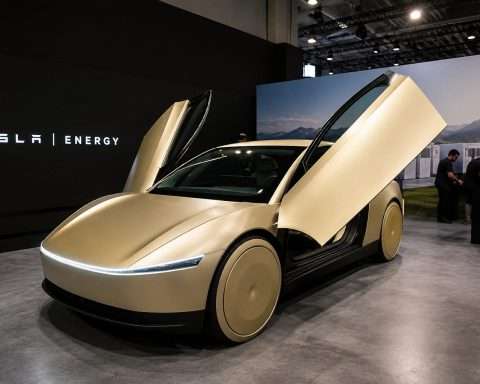
New Jersey lawmakers are stepping into Tesla’s robotaxi tech debate, asking if just cameras and AI are enough. A bill up for a vote this year would make all fully autonomous cars in the state use cameras plus two more sensing systems. That could cut out Tesla’s camera-only Robotaxi unless it adds new hardware. “This is not anti-Tesla,” Sen. Andrew Zwicker told The Verge. “I’m pro-New Jersey safety.” Carnegie Mellon’s Philip Koopman said, “camera-only technology is not up to the challenge.” The Verge
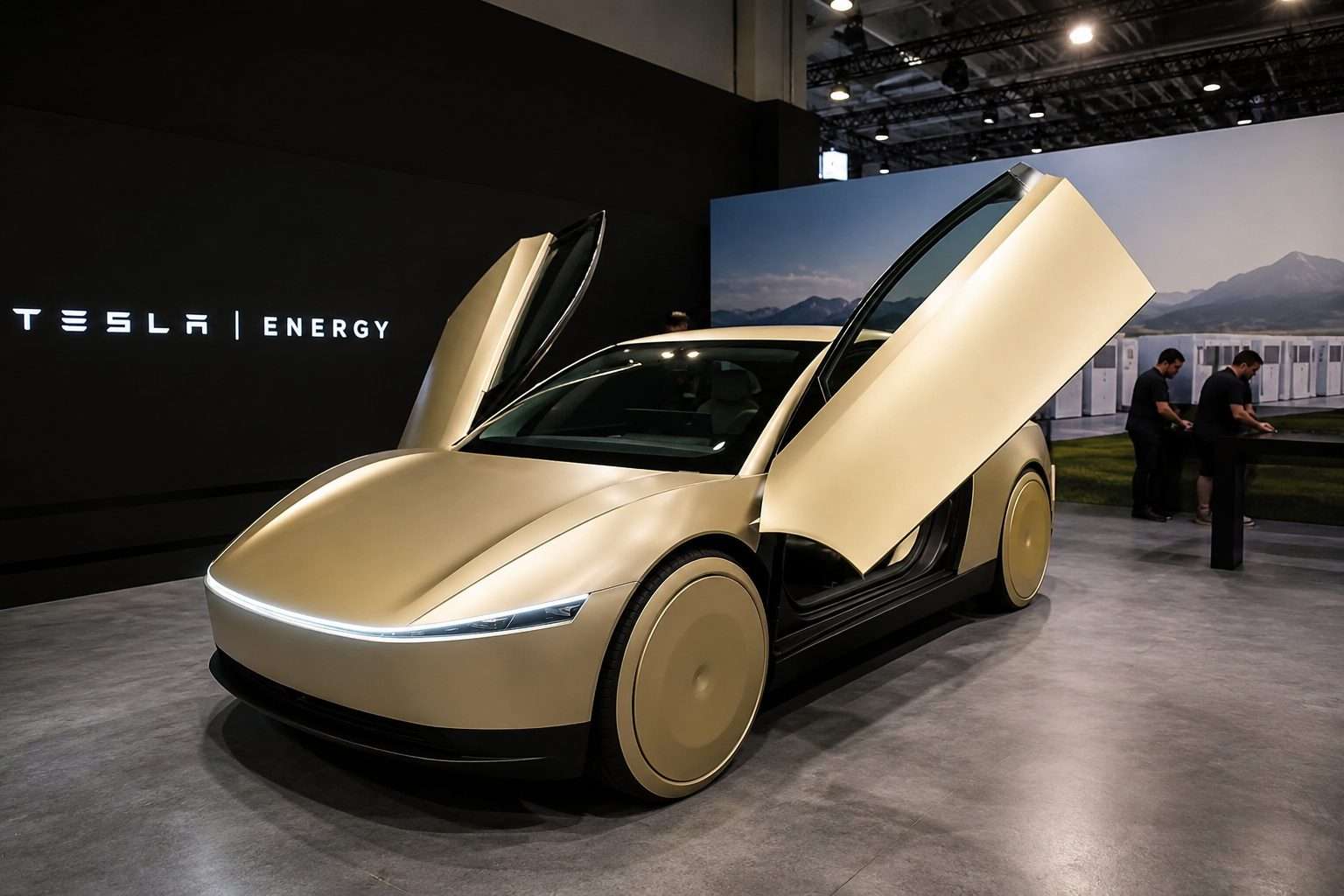
This is important now as Tesla looks to turn a small robotaxi launch into evidence its self-driving tech can scale up. On July 3, Tesla said its robotaxi hit Miami, following the June start of unsupervised robotaxis in Austin. Reuters reported the move puts Tesla in the race with Alphabet’s Waymo and Amazon’s Zoox, both moving forward with their own driverless ride-hailing.
S-1677 is not law yet. LegiScan shows the bill moved to the Senate Budget and Appropriations Committee on May 11, after passing the Senate Transportation Committee. The New Jersey League of Municipalities said the substitute would set up a three-year trial run, with state motor vehicle and transport agencies in charge and companies needing approval to run fully driverless cars. LegiScan
The tech problem is easy to explain but tough to fix. Lidar uses lasers to measure distance and create a 3D map of the road, while radar uses radio waves to figure out distance and speed. Tesla says it goes another route, using advanced AI to process camera feeds. Neural networks spot patterns and help handle the car’s decisions. Oliver Wyman
Waymo is moving ahead. The company said July 8 it plans to start fully autonomous rides, first for employees, in Denver, Las Vegas, San Diego and Tampa. Waymo has started running its Hyundai IONIQ 5 self-driving cars with a safety operator onboard. The move gives Waymo new expansion news as Tesla deals with a state battle over driverless car hardware.
Tesla hit record Q2 deliveries and plans to spend over $25 billion in 2026 on AI infrastructure, battery output, Cybercab production and Optimus robots. But David Wagner at Aptus Capital Advisors, a Tesla holder, told Reuters that investors still want results from Tesla on AI, robotaxis and self-driving.
The New Jersey bill isn’t final and might still change, stall, or get dropped. Tesla could try to convince regulators to assess autonomy based on safety, not hardware. If that doesn’t work and states require lidar, radar, or other backup sensors, the cost edge from sticking with cameras could shrink.
Tesla shares changed hands at $394.06 before the U.S. market opened, off $8.92 from where they finished last session.
Tesla’s tech gamble is now up against a policy deadline. Regulators will have to approve the camera-only approach and see if it handles real-world scenarios. If Tesla passes that hurdle, it could get robotaxis on the road at a lower cost, and sooner. If the plan fails, the debate over sensors in Trenton could stall Elon Musk’s push to put AI at the core of Tesla’s future.