
PERTH, May 16, 2026, 03:09 AWST
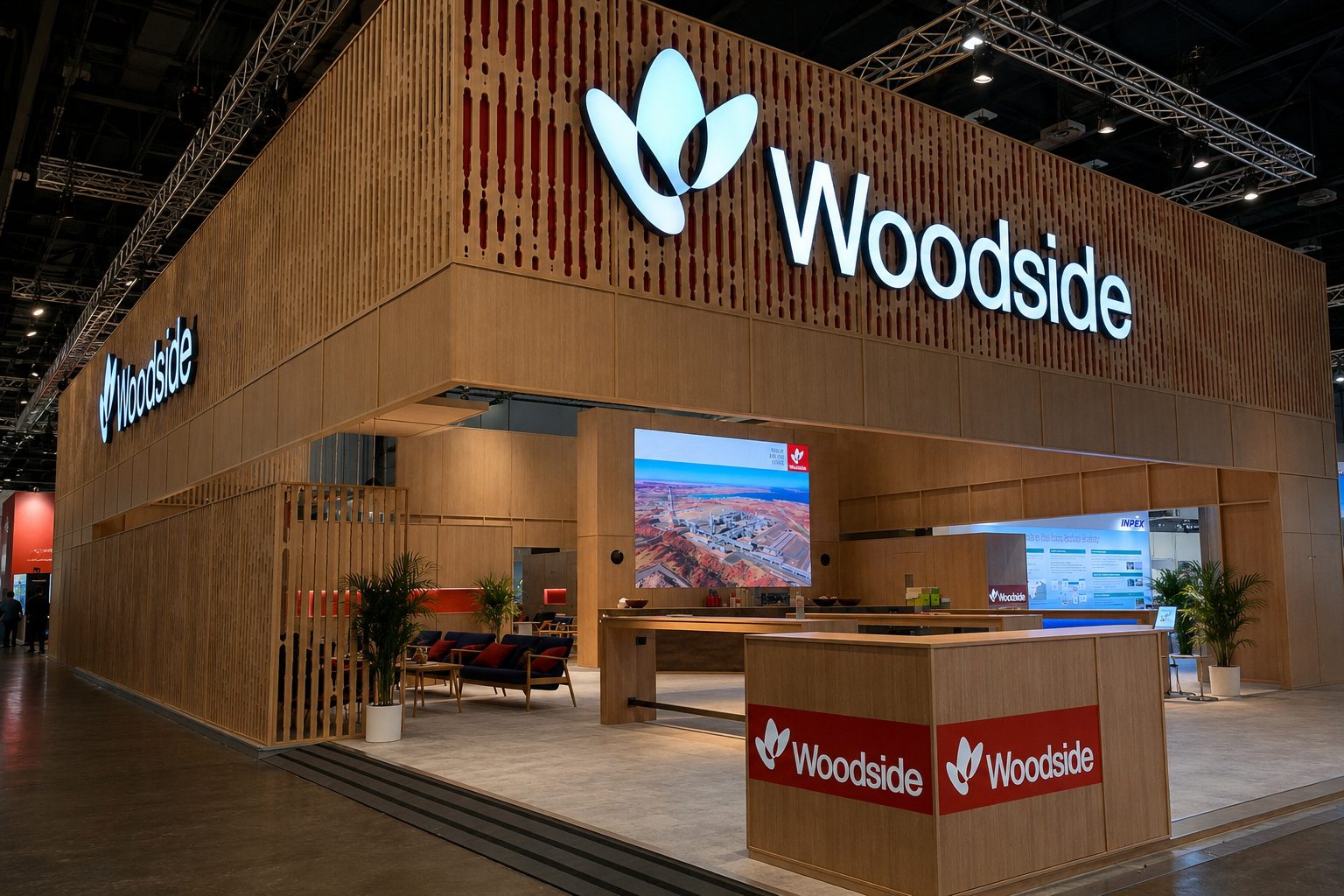
Woodside Energy Group Ltd is under new industrial strain at its Karratha gas plant and Pluto LNG sites in Western Australia, after the Offshore Alliance union said certain staff are set to strike starting Wednesday. LNG, or liquefied natural gas, is shipped as a liquid after being cooled. The union also reported that negotiations with Inpex over its Ichthys LNG plant in Darwin have broken down, adding further strain to Australian gas exports.
The numbers are substantial: Bloomberg puts Karratha’s export capacity near 14 million tonnes per year, Pluto around 5 million, and notes a second Pluto train—similar in size—is being built. According to the report, Asian buyers are already scrambling for cargoes after disruptions in the Middle East limited LNG supply.
It’s a tough spot for Woodside right now. As of the end of March, the company reported its Scarborough Energy Project and Pluto Train 2 were both 96% finished, still tracking to budget, and aiming for first LNG in the fourth quarter of 2026. In May, a major maintenance turnaround for Pluto Train 1 was also on the docket.
Woodside ended Friday’s ASX session at A$31.25, up 2.06%, according to delayed data. Shares moved between A$30.80 and A$31.29.
The Offshore Alliance—which brings together the Australian Workers’ Union and the Maritime Union of Australia—has told contractor UGL it’s moving ahead with Protected Industrial Action, the formal label for legally sanctioned strike activity during negotiations. Woodside, for its part, said it acknowledges contractors’ strike rights and noted that anything affecting UGL staff “will be managed by UGL.” UGL wouldn’t comment. People Matters
Another headline hit that day: Inpex of Japan announced its INPEX Mirai Upstream unit had agreed to acquire a 10.67% stake in the Browse joint venture from PetroChina International Investment (Australia). The deal covers the Brecknock, Calliance, and Torosa gas fields off Western Australia. It’s still subject to regulatory sign-off and the green light from other joint venture partners.
Browse stands as one of the largest Australian growth projects yet to get the green light from Woodside. According to the company’s project page, it’s the biggest undeveloped offshore gas resource in the country. Woodside says the plan involves two floating production, storage and offloading units, along with a pipeline stretching about 900 km to the North West Shelf facilities at Karratha.
Inpex hasn’t revealed the price. Back in 2012, Reuters said PetroChina paid $1.63 billion to BHP for its Browse stake. The other partners in Browse include BP, Woodside, and Japan Australia LNG, the Mitsui-Mitsubishi joint venture. MST Marquee’s Saul Kavonic flagged the potential for an existing member to trigger pre-emptive rights, noting Inpex could be eyeing Ichthys as a destination for the gas. But an Inpex spokesperson told Reuters there’s no decision yet, with Browse still stuck in feasibility.
There’s a risk that both processes lag the main headline numbers. This week, Reuters highlighted a Deloitte assessment done for Woodside that pegged Browse project capital spending at A$48.7 billion ($35.2 billion)—a jump from 2019’s estimate, which didn’t include carbon capture and storage. Opposition from environmental groups hasn’t faded, citing Scott Reef, pygmy blue whales, and green turtles. Meanwhile, potential strikes could end up avoided, contained, or handled by UGL, with no significant outage expected.
For Woodside, execution is the key focus this week—not just whatever’s in the headlines. The company faces an immediate labor dispute at its operating plants and is pushing to keep the Scarborough project on track as it nears completion. A shakeup among partners in Browse could lend some credibility to the resource, though it leaves questions unresolved around approvals, the development route, and costs.