
San Francisco, Jan 23, 2026, 00:13 (PST)
- Google is looking into claims that the Pixel’s “Take a Message” call feature might be sending users’ background audio to the person on the other end
- Reddit users report hearing background chatter or room noise instead of voicemail when calling certain numbers
- Google says Take a Message is available on Pixel 4 and newer models in the U.S., Britain, Ireland, and Australia.
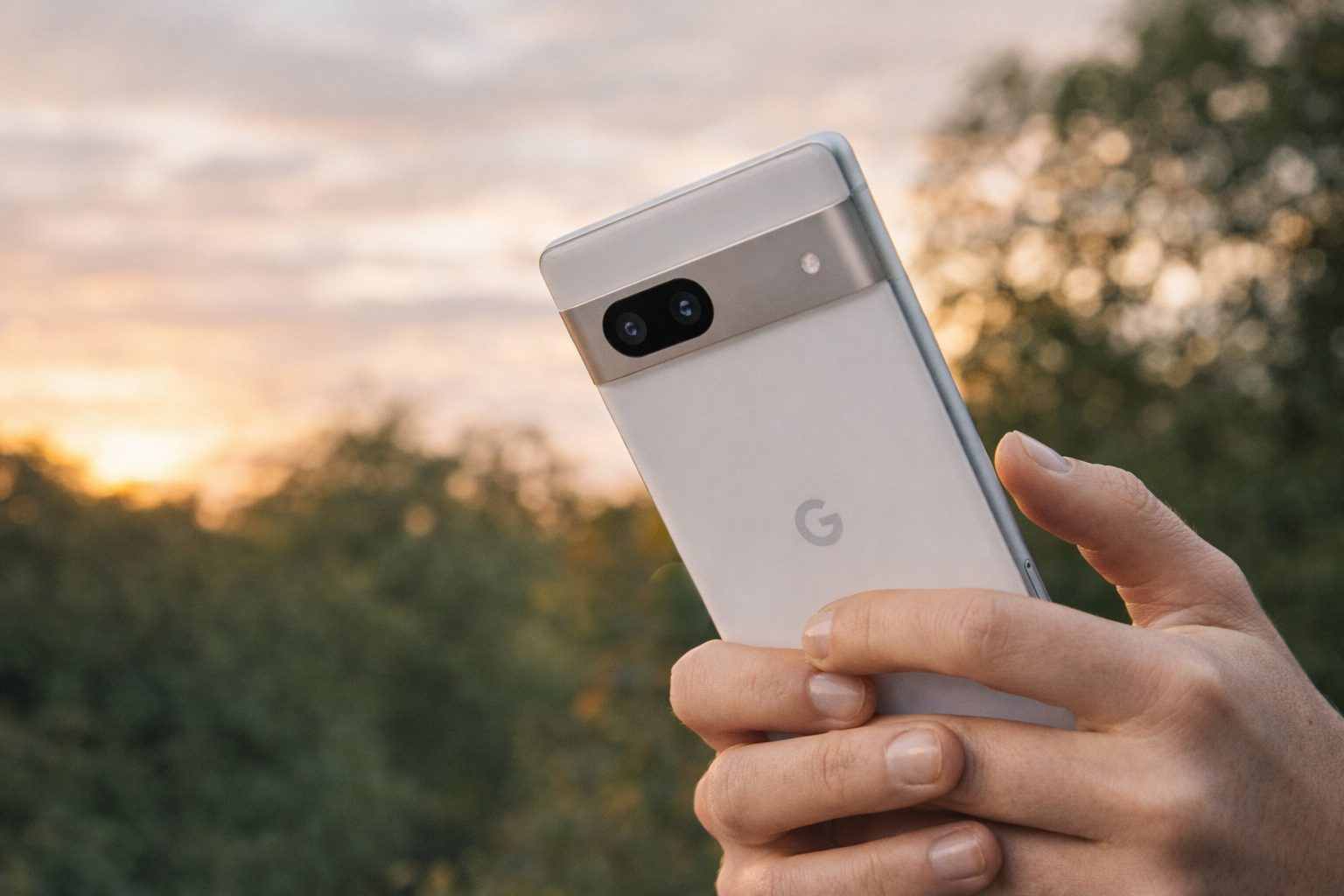
Alphabet’s Google is looking into a bug reported by some Pixel users where callers can hear background sounds when the “Take a Message” feature activates after a missed call. 9to5Google
The reports raise concerns since the feature is promoted as a hands-free solution for missed calls, not as a way to open a live audio feed to a stranger. If it activates accidentally—say, in a pocket or on a desk—it might reveal far more than just the caller’s message.
Google is continuously boosting Pixel phones with new call-handling features, like live transcripts and spam screening built into the Phone app. As the software takes over more of your calls, nailing the fundamentals becomes even more crucial.
Take a Message kicks in after you miss or decline a call, displaying a silent “Taking a message” alert while capturing a transcript and recording saved right inside the Phone app. Google confirms it operates locally on the device without tapping into Wi‑Fi or mobile data. The feature is available on Pixel 4 and newer phones across the US, UK, Ireland, and Australia. Google Help
Reddit users reported that when leaving voicemails, they sometimes heard background noises or conversations instead of the expected greeting, after an automated voice picked up. One poster noted a green microphone icon showing up once the call stopped ringing and managed to replicate the problem during test calls.
Android-centric sites highlighted several reports spanning Pixel models, even older ones, noting that some users resolved the issue by disabling the feature in settings.
The Verge, referencing the same reports, noted that not all Pixel phones seem affected. The problem might be confined to just a small group of devices.
Google’s reply has been short. “Our team is aware of these reports and is actively investigating,” a spokesperson for the company said.
Users worried about this can turn off Take a Message in the Phone app’s settings. Doing so should route missed calls straight to their carrier voicemail instead. PhoneArena and other tech outlets have detailed these steps as a stopgap fix.
It remains uncertain just how widespread the bug is or what exactly sets it off — whether it’s related to device age, carrier configurations, or some issue within the call-assist stack. If the glitch only occurs under certain conditions, users might have trouble identifying when they’re at risk, making it tougher for Google to track down a fix fast.
Google’s Pixel lineup goes head-to-head with Apple’s iPhone and Samsung’s Galaxy series, both of which rely heavily on software to filter and handle calls. This incident serves as a reminder that convenience features—especially those involving microphones and calls—can quickly become privacy risks when they malfunction.