
New York, Feb 17, 2026, 13:21 EST — Regular session
- Rivian dropped roughly 5% in the afternoon after D.A. Davidson downgraded the stock to underperform.
- Rivian’s post-earnings surge is still fresh, but analysts remain divided over the R2 ramp as the call comes just days later.
- Traders want new R2 info—specifically how it could impact deliveries, and what that means for cash burn.
Rivian Automotive (RIVN.O) slipped around 5% to $16.84 on Tuesday after D.A. Davidson issued a downgrade, flagging concerns that Rivian may face a steep climb to hit its R2 launch goals—especially with no tax credits or substantial dealer network in play. That move followed a sharp rally, with the stock having surged about 27% last Friday.
The retreat highlights just how fast the focus has swung from “what’s next” to “what can they actually ship.” Rivian’s R2 sits at the center of this: it’s meant to take the company beyond its niche, high-priced lineup and push into a broader market.
This is crucial at the moment, with the stock’s re-rating riding almost solely on execution in 2026. If there’s a missed quarter, a delay in ramping up the factory, or demand slips even a bit, the funding debate could quickly resurface.
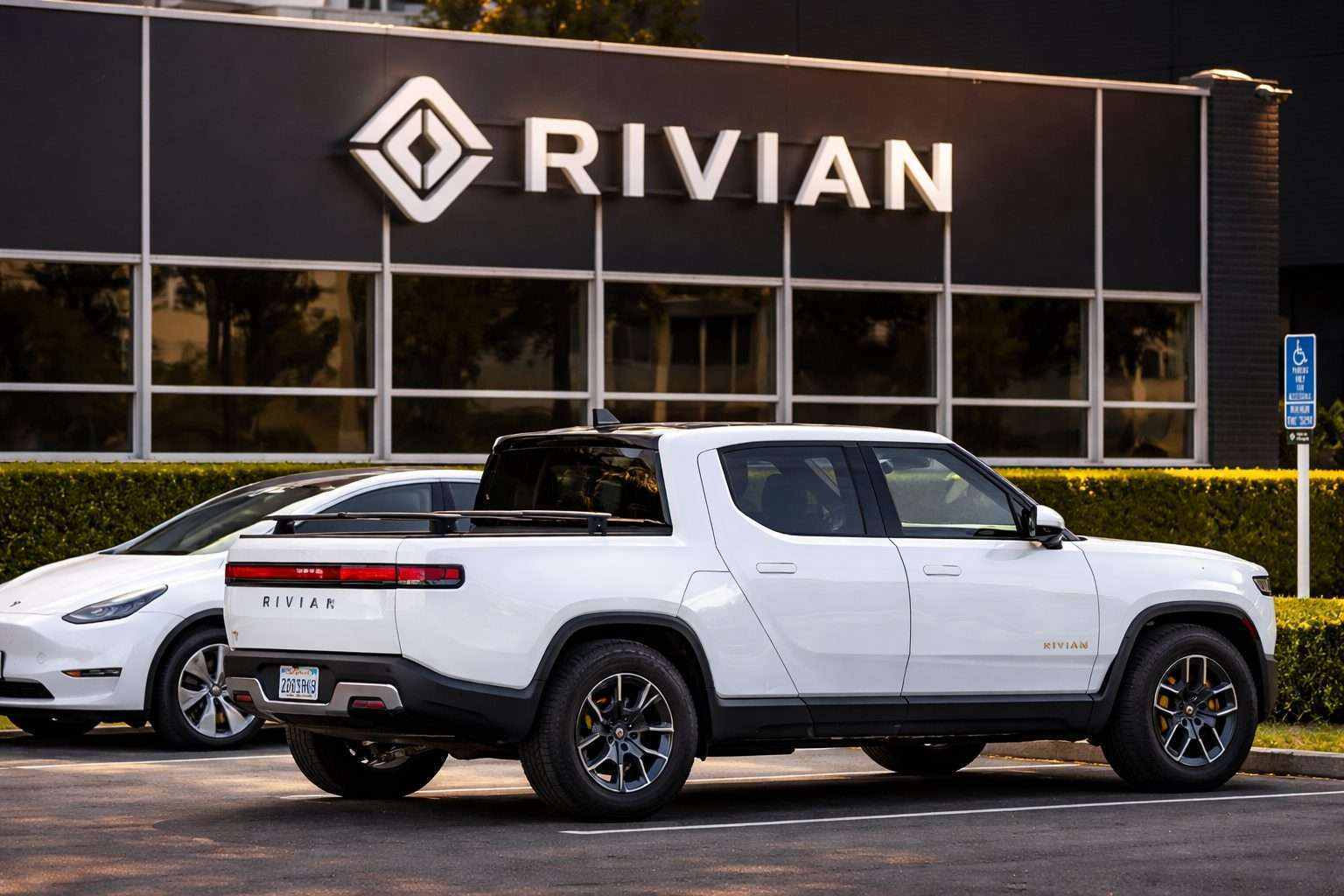
Rivian is banking on the smaller, more affordable R2 to power its next phase of growth, positioning it squarely against Tesla’s Model Y, with a starting price around $45,000. CEO RJ Scaringe told Reuters the company doesn’t expect much change in output for its R1T pickup, R1S SUV, or delivery vans compared to 2025, when it delivered 42,247 vehicles—the heavy lifting now falls to the R2. Zacks Investment Research’s Andrew Rocco said investors are “betting they can get the R2 up to scale,” but highlighted production execution as the chief concern. Reuters
But Stifel took a different tack, reaffirming its Buy call on Rivian and bumping the price target up to $20 from $17. The brokerage pointed to progress on costs and better-than-expected numbers from Rivian’s software and services segment, which carry higher margins. Stifel also flagged an extra $2 billion Rivian expects from its Volkswagen joint venture, though it cautioned margins could get squeezed by initial R2 production before they recover later this year.
Wall Street’s divide is clear. Some spot a leaner cost structure and buy into the mass-market pitch. Others point to tough pricing hurdles in an EV sector where buyers watch every dollar.
The flipside isn’t hard to imagine. A stumble in the R2 rollout, and Rivian could be looking at renewed scrutiny over its cash burn—plus talk about tapping capital markets again, possibly on tougher terms.
Rivian has circled March 12 for its next update, promising investors more details on the R2 product and line-up. That’s when the company plans to clarify pricing, available trims, and just how quickly it expects to move toward second-quarter deliveries.