
LONDON, March 9, 2026, 13:13 (GMT)
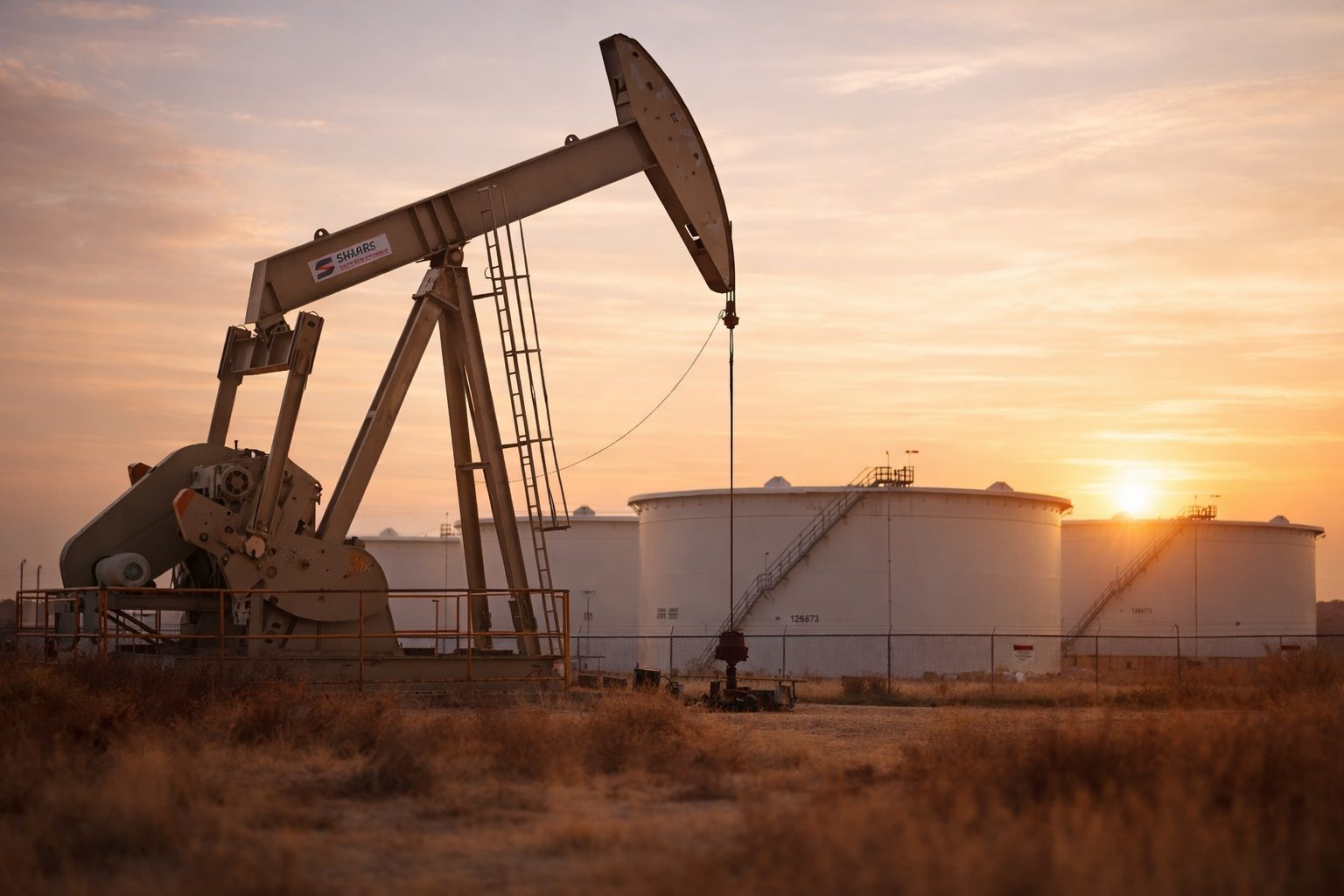
Oil surged past $100 a barrel on Monday, hitting levels not seen since 2022. Benchmark Brent crude climbed as high as $119.50, as the Iran war squeezed Gulf shipping lanes and triggered new production cuts. The sharp move rattled traders, governments, and central banks.
This shift is significant: oil isn’t just trading on war premiums now. IMF Managing Director Kristalina Georgieva flagged that a sustained 10% jump in oil prices—if it holds up for most of the year—might tack on roughly 0.4 percentage point to global inflation.
Central banks are feeling the heat again. Traders quickly shifted from expecting rate cuts to factoring in potential hikes at the European Central Bank, Swiss National Bank, and Sweden’s Riksbank. In the UK, hopes for a Bank of England rate reduction this year vanished.
Supply tightened as the day wore on. Saudi Arabia started shutting down two oilfields, while Iraq and Kuwait had already trimmed their output. Bahrain’s Bapco invoked force majeure — allowing it to suspend contracts after major disruptions. Hundreds of tankers were left waiting in and around the Strait of Hormuz, the key waterway for about a fifth of global oil and seaborne gas flows.
Ripples hit markets fast. London’s main stock indexes headed lower despite gains for Shell and BP, as crude prices surged. Airline stocks took another hit; Subhas Menon, who leads the Association of Asia Pacific Airlines, pointed out that jet fuel costs were spiking “several times more” than crude, citing an even tighter supply squeeze. Reuters
Traders, according to IG market analyst Tony Sycamore, aren’t seeing “any obvious offramp” in the ongoing conflict, with the threat of long-term economic fallout piling up each day. Reuters
The Financial Times broke the news on governments weighing a release of emergency reserves, confirmation following from a French official. In response, Japan instructed a reserve facility to get ready for a potential drawdown. Over in South Korea, authorities imposed caps on fuel prices. Vietnam scrapped tariffs on imported fuel, while China told its refiners to stop signing fresh fuel export contracts.
Trump dismissed the surge, calling pricier oil a “very small price to pay” for “safety and peace.” But that take runs into trouble with U.S. gas still sitting north of $3 a gallon, and stagflation jitters making the rounds in markets. Reuters
Brent hovered near $105 a barrel and U.S. crude was last at $103, with the next catalyst likely to come from shipping lanes rather than official statements. Even if a coordinated drawdown of emergency government reserves smooths out the immediate supply squeeze—and only if traffic actually restarts—the output loss won’t snap back overnight. “Days or weeks or months” could go by before offline fields are pumping again, Amir Zaman at Rystad Energy said. Natixis’s Joel Hancock, for his part, doesn’t see the risk receding while the war drags on. The Guardian