
CHENGDU, China, April 22, 2026, 01:32 (China Standard Time)
- For the first time, Oppo’s Find X9 Ultra will be sold outside China.
- Dual 200MP cameras sit alongside a 50MP telephoto lens offering 10x optical zoom on the phone.
- Retail price in the UK kicks off at £1,449, and shelves open on May 8.
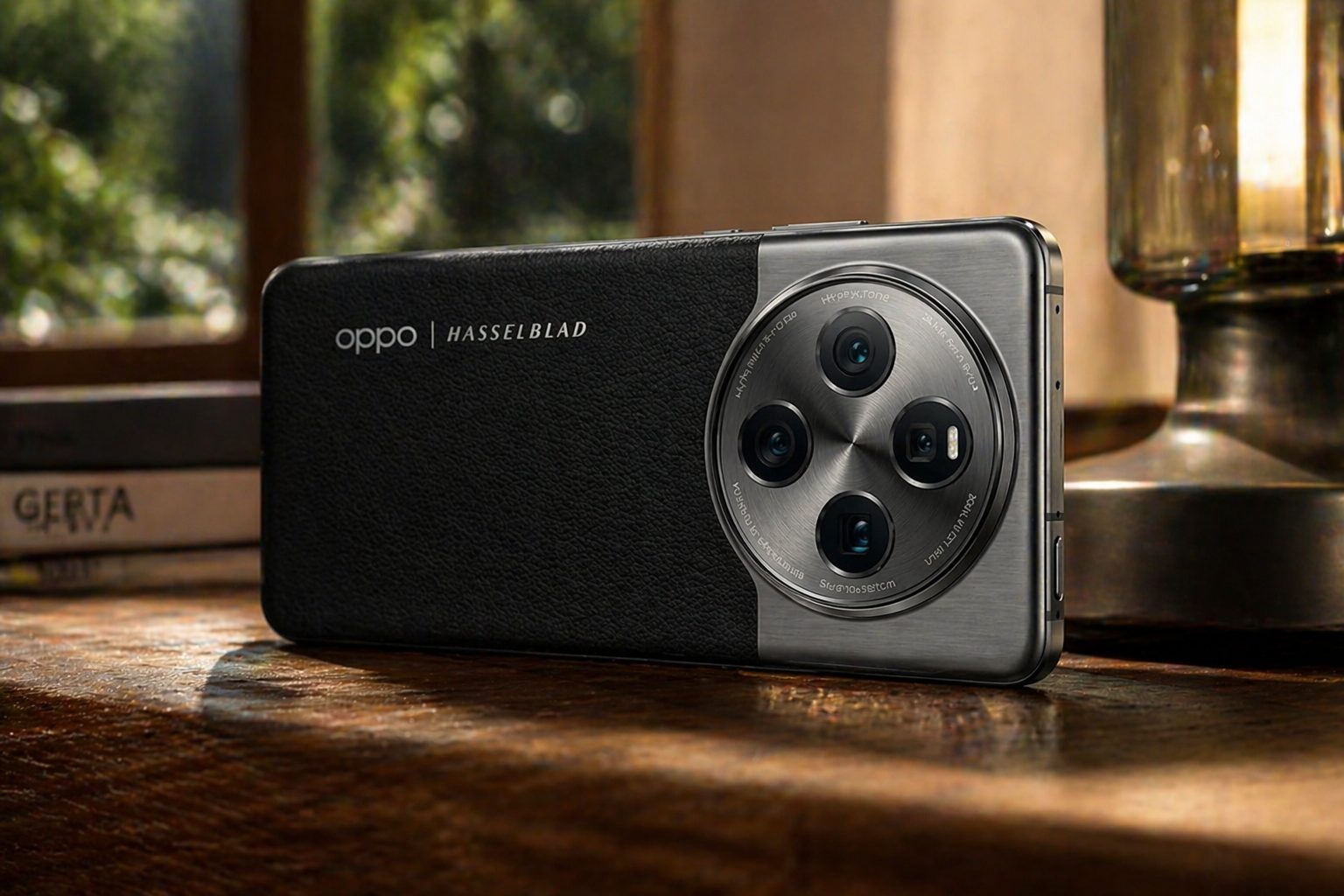
Oppo has taken its Find X9 Ultra global, pushing its top-tier camera handset beyond China for the first time. The phone features a Hasselblad-branded setup that includes two 200-megapixel cameras and a 50-megapixel telephoto lens claiming 10x optical zoom. This launch puts Oppo head-to-head with premium offerings like Samsung’s Galaxy S26 Ultra, Xiaomi’s 17 Ultra, and Vivo’s X300 Ultra—segments where Oppo’s flagships have usually played a quieter role.
The launch timing is key now that Oppo’s Ultra series isn’t just for China. Previously, the company announced plans to take the Find X9 Ultra global, a first for its Ultra platform. Elvis Zhou, Oppo Europe’s CEO, put it bluntly: the “Ultra” title “must be earned.” OPPO
Digital Camera World says the Find X9 Ultra lands in the UK, Europe, and plenty of international markets—North America not included—starting May 8. Tech Advisor is calling out the UK price at £1,449, which pushes the handset up among the priciest non-foldable smartphones.
At the heart of the product is its camera setup. Oppo’s spec sheet details a 200MP wide lens, a 200MP 3x telephoto, 50MP ultra-wide, 50MP ultra-telephoto, and a 3.2MP monochrome sensor on the back. Up front, there’s a 50MP camera. Video features include rear 8K capture at 30 fps and 4K Dolby Vision recording at up to 120 fps.
Oppo refers to its 10x zoom setup as a Quintuple Prism Reflection Periscope Structure. Essentially, it’s a folded lens arrangement—light gets redirected within the phone, so there’s no need for a camera bump sticking out. According to the company, the 230mm-equivalent telephoto manages to hit 20x “optical-quality” zoom by cropping into the sensor, tapping into extra resolution instead of just relying on digital zoom. OPPO
Under the hood, the Find X9 Ultra is powered by Qualcomm’s Snapdragon 8 Elite Gen 5. The phone sports a 6.82-inch QHD+ AMOLED screen, maxing out at a 144Hz refresh rate, and buyers can choose between 12GB or 16GB of RAM. It runs on ColorOS 16. The battery: a 7,050mAh silicon-carbon unit — same tech that squeezes more juice into tight spaces — offers 100W wired and 50W wireless charging.
Oppo’s teaser push had already spelled out the 7,050mAh battery, 2K-class 144Hz display, satellite connectivity aimed at China, plus overhauled speakers and haptics. The focus moved well beyond just the camera module, positioning the launch as a play in the premium-phone space.
Samsung is feeling the heat. According to Shimul Sood at Android Authority, even the older Oppo Find X9 Pro leaves the Galaxy S26 Ultra a tough sell for certain buyers who care about camera performance, battery longevity, and speed. Sood did say Samsung retains an advantage when it comes to software updates and ongoing support.
Risks remain. Dominic Preston at The Verge called the Find X9 Ultra’s 10x lens “the best of its kind,” yet flagged issues with low light and moving targets, and wondered if Oppo compromised on battery, sensor size, or pricing to make room for the lens. Oppo’s £1,449 price tag—without North American availability—targets a much slimmer audience than Samsung. The Verge
Oppo’s strategy, at least for now, is straightforward: position the phone as more than a routine upgrade, something that can actually stand in for a compact camera. That pitch cuts through the noise compared with other Android flagships. But it all comes down to a clear test once it hits stores on May 8—do shoppers actually find the 10x camera practical, or is it just another spec on the box?