
Redmond, Washington, April 21, 2026, 09:39 PDT
- Microsoft trimmed the price of Xbox Game Pass Ultimate, dropping it to $22.99 a month from the previous $29.99.
- PC Game Pass drops to $13.99, down from its previous $16.49.
- New Call of Duty titles won’t land on those tiers when first released.
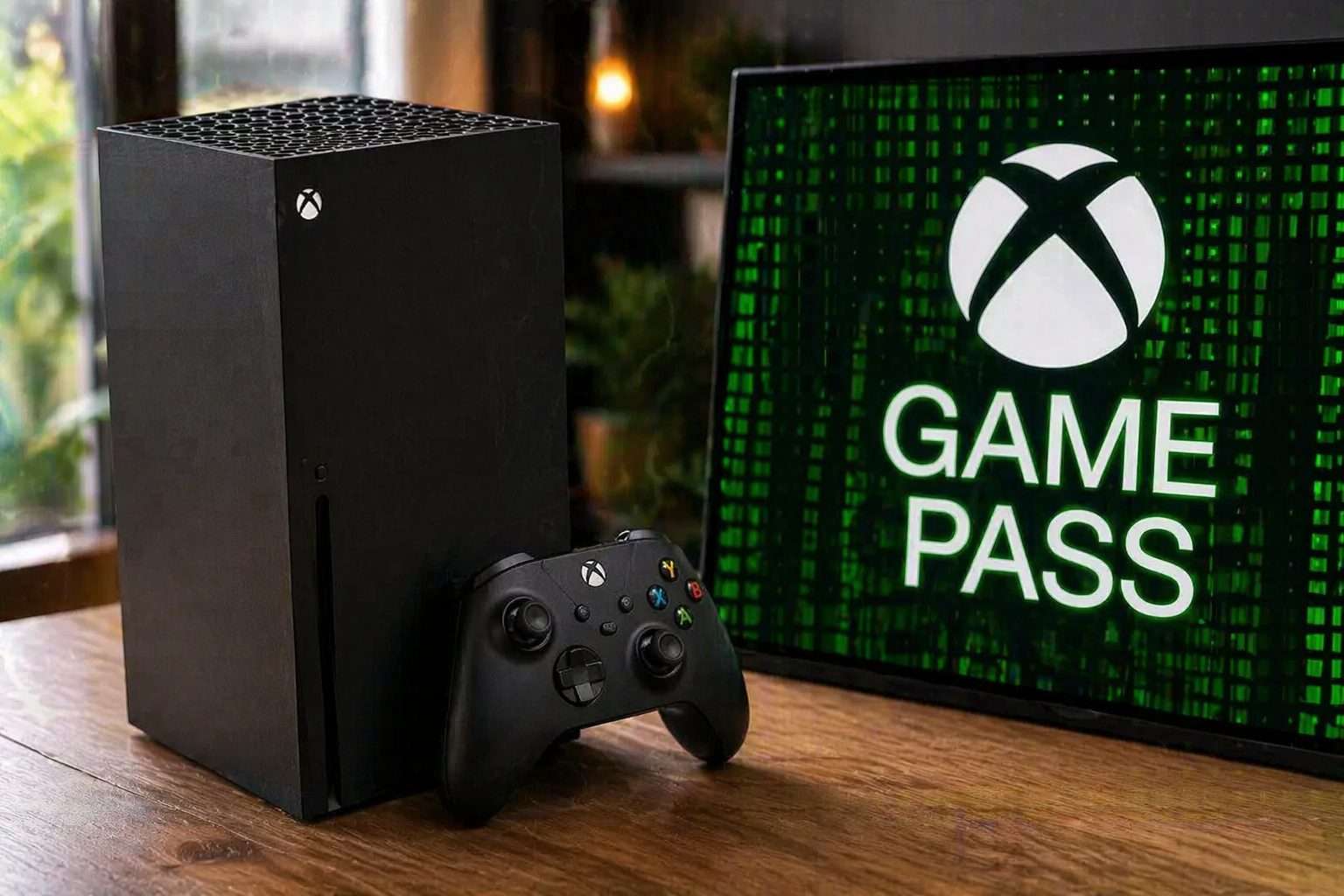
Microsoft slashed the price of Xbox Game Pass Ultimate by over 20% on Tuesday, dropping a key perk: day-one access to upcoming Call of Duty titles is out. The move marks a significant shake-up for one of the company’s marquee gaming subscriptions. Meanwhile, PC Game Pass drops to $13.99 a month from $16.49, according to Microsoft’s Xbox division.
This is a key play for Microsoft, which is balancing last year’s sharp Game Pass price hike with the need to keep the service compelling—without undercutting Call of Duty’s huge sales. Xbox said new Call of Duty releases will join Game Pass Ultimate and PC Game Pass the next holiday season, roughly a year post-launch, while older Call of Duty titles already in the library aren’t going anywhere.
Price cuts like this don’t happen often in the subscription business, where hikes are the norm. Microsoft bumped Game Pass Ultimate up to $29.99 from $19.99 just six months back, tossing in perks like Ubisoft+ Classics and Fortnite Crew, according to The Game Business.
According to Xbox, Ultimate members will continue to have access to hundreds of games for both console and PC, online multiplayer on consoles, in-game perks, plus new major releases as soon as they launch. “Our players cover a wide breadth of geographies, preferences, and tastes,” the company said, pointing to “a lot of feedback” as the reason for the change. Xbox Wire
Microsoft’s move to lower prices comes after The Verge surfaced an internal memo last week. In it, Xbox head Asha Sharma argued that “Game Pass has become too expensive for players,” adding the company needs “a better value equation.” Sharma indicated the subscription’s structure “isn’t the final one,” hinting more tweaks could be on the way. The Verge
Call of Duty remains a key sticking point. Microsoft’s 2023 takeover of Activision Blizzard folded Call of Duty, Diablo, and several other franchises into its gaming portfolio. After the deal, Microsoft began touting Activision games on Game Pass, aiming to widen its audience and dial down Xbox’s reliance on traditional consoles.
Microsoft faces a tricky balancing act. Subscribers who relied on Game Pass to play the latest Call of Duty right away are out of luck—they’ll need to pay full price or wait about a year. On the flip side, those who don’t care about the series see their monthly charges drop.
Microsoft’s gaming division hasn’t been having an easy run. In its most recent quarter, Xbox content and services revenue slipped 5%—6% when you strip out currency swings—even though Microsoft’s cloud and software segments continued to post gains.
Competition in the space remains fierce. Game Pass faces off against Sony’s PlayStation Plus and Nintendo’s Switch Online, though Microsoft has been more aggressive about folding major first-party titles into its subscription offering. Back in October, a Game Business piece cited Circana survey results showing that cost was the top factor behind why some U.S. users canceled subscriptions to services across Xbox, PlayStation, and Nintendo.
The company isn’t walking away from its broader Game Pass message. On its plan page, more than 400 games are still shown for Ultimate, and Premium keeps over 200 titles, with cloud gaming spanning various tiers. The fine print flags that Premium includes new Xbox-published games within a year—just not Call of Duty.
Microsoft was last seen trading at $425.48 in the U.S., a climb of $7.41 over the prior close.