
Tokyo, May 12, 2026, 23:02 JST
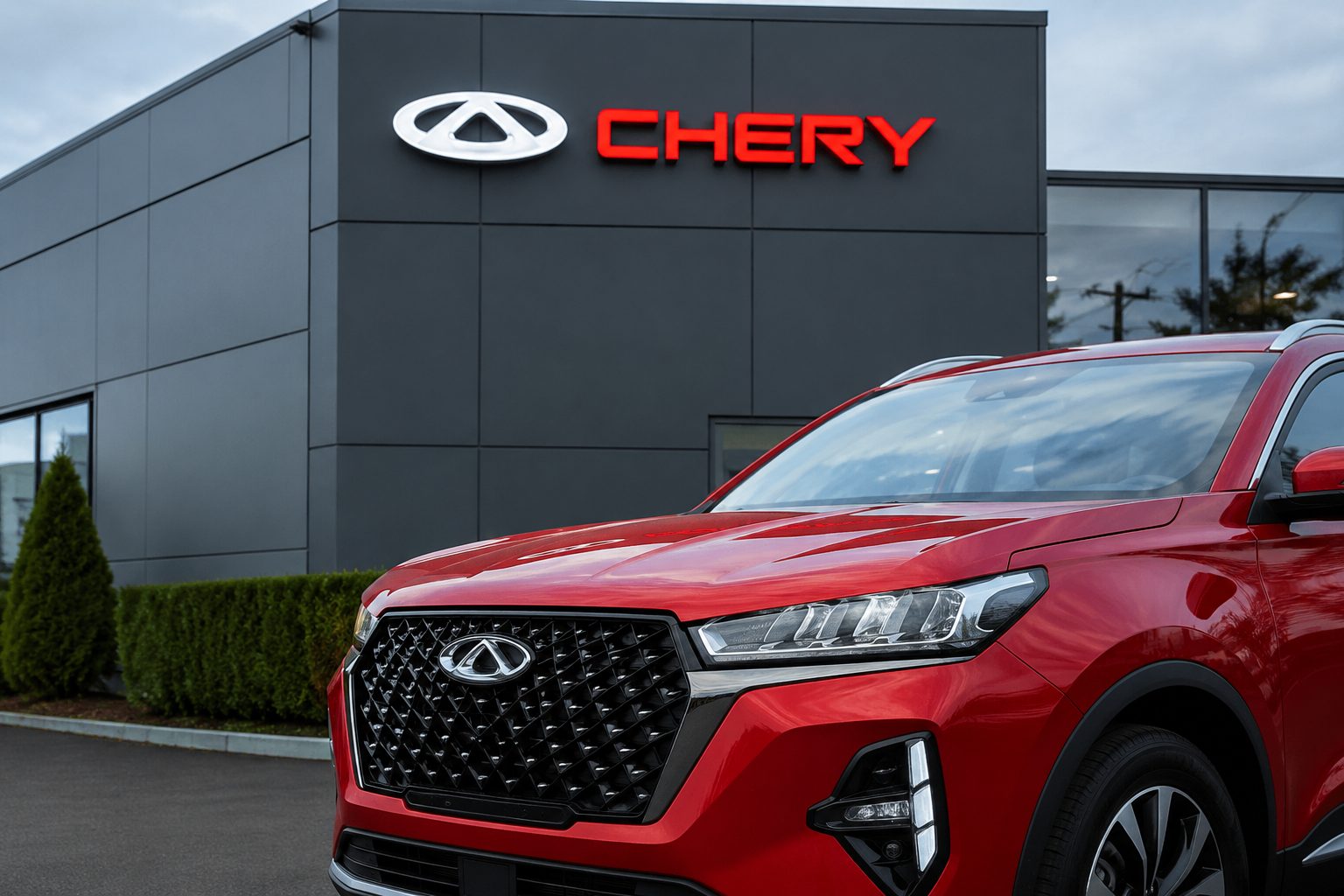
Autobacs Seven confirmed an investment in Singapore’s Electric Mobility Technology, or EMT, but clarified that “no decisions have been made” regarding the sale or servicing of China-made electric vehicles in its stores. That’s a more limited stance than what was suggested in a Nikkei report, picked up by Reuters, which stated that Chery Automobile and Autobacs had already formed a venture to sell EVs in Japan starting 2027.
This clarification is key: Japan continues to be a tough environment for foreign EV brands, as most buyers stick with domestic makers and hybrids. For a Chinese automaker, teaming up with a retailer that already has workshops and a customer base could finally address a longstanding issue in Japan—who handles repairs after the car is delivered?
Autobacs said EMT is taking part in both developing and selling new energy vehicles—the catch-all term that includes battery EVs and plug-in hybrids. These electric vehicles rely on batteries instead of gasoline. As for future collaboration on maintenance, services, or sales, Autobacs said it will share concrete plans only after final decisions are in place.
Chery minimized its involvement, telling Yicai Global that while it holds shares in EMT, it’s just one investor among several and isn’t involved in running or managing the venture. According to Caixin, Chery hasn’t released any business plans.
Japan remains very much in focus, with the reported plan signaling a determined push. Caixin, referencing Nikkei, reported that EMT intends to leverage Chery technology, manufacture vehicles in China, and launch a fresh EV brand for the Japanese market. Nikkei-based EV industry reports named Jiangsu Yueda, Gotion High-Tech, and Anest Iwata as investors, eyeing initial deliveries in 2027, while local Japanese manufacturing is being considered, but not before 2030.
Autobacs isn’t closing the door on the idea. The company’s long-term strategy singles out zero-emission vehicles, or ZEVs—those models that don’t emit tailpipe exhaust during operation—as a key growth segment, with a consolidated net sales goal of 500 billion yen set for fiscal 2032.
Japan’s EV market hasn’t stalled, even if it’s still small. Imported EV sales jumped 34% to 33,299 units in 2025, according to JAIA figures reported by Gasgoo. That’s 14% of all imported vehicle sales. Still, pure EVs made up only 1.7% of the country’s wider new-vehicle market as of September 2025.
Japan Automobile Importers Association chairman Go Geltinger, who also leads Mercedes-Benz Japan, told reporters on May 8 that subsidies will have to stick around “until EVs reach a double-digit share” of the market. Geltinger flagged headaches like battery recycling and heavier EVs, which eat into transport capacity. JAMA
Chery isn’t alone in eyeing that opening. BYD is rolling out a kei EV aimed squarely at Japan’s minicar sector. Koji Endo, chief executive analyst at SBI Securities, told Reuters that for Chinese automakers, getting into the Japanese market “gives a kind of status.” Still, price remains front and center: “People buy kei cars because they’re cheap,” Endo said. Reuters
Tesla’s approach to the service network is coming from the opposite side of the market. In April, Japan chief Richi Hashimoto outlined plans to bring the company to at least 60 stores and roughly 30 service centers. He also pointed out, “simply increasing stores to sell cars doesn’t make customers buy”; for drivers familiar with gasoline vehicles, Hashimoto believes test drives tend to make the difference. Reuters
The risk sticks out. EMT exists, sure, but sales strategy, upkeep details, price tags, and branding? None nailed down—at least, nothing public. Unless Autobacs manages to turn its network into real after-sales support, that 2027 launch could end up trimmed, postponed, or just sidelined as a niche experiment.
So far, details are tighter than the headline suggests. Autobacs has put money in; Chery says it’s not operating the venture. Whether the launch in Japan happens is still up in the air, with a final call pending from the firms involved.