
Sydney, June 20, 2026, 06:04 AEST
- Woolworths closed up 0.5% at A$38.32 on Friday, putting shares little changed from a week ago.
- The S&P/ASX 200 dropped 0.9% to 8,828.70 on Friday. Still, the index finished the week up around 0.3%.
- Australia posts its May inflation figures on June 24. Woolworths reports full-year earnings August 26.
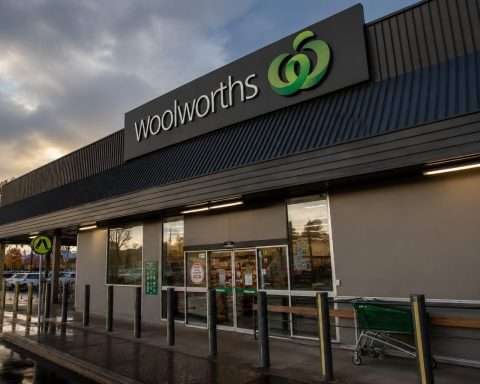
Woolworths Group Ltd held up against the weaker Australian market on Friday, pushing to A$38.32 and ending the day A$0.18 shy of its 52-week high. The shares moved in a range between A$37.92 and A$38.42 ahead of the weekend close.
Defensive trades showed up again. Coles Group climbed 1.2%, but BHP slid 5.6% as buyers leaned into shares seen as steadier in downturns. Woolworths turned over 5.1 million shares—more than double normal levels.
Woolworths shares moved on Friday without a fresh trading update. The only news late in the week was filings about director interests and unquoted securities. The most recent price-sensitive news from the company was the third-quarter sales numbers out on April 30. That shows investors bought for earnings stability, not because Woolworths gave new details.
Shares started to recover after the February half-year numbers. Underlying net profit, which strips out one-offs, climbed 16% to A$859 million. Australian Food sales were up 5.8% in the first seven weeks of the second half.
“Customers want value but they also want reliable value,” Chief Executive Amanda Bardwell said then. RBC Capital Markets analyst Michael Toner said first-half sales growth for the division was “the strongest number we have seen in some time from WOW.” Reuters
Woolworths’ fix isn’t done yet. The company posted A$18.10 billion in group sales for the third quarter, with Australian Food up about 6%. But it now expects fiscal 2026 earnings growth in that division won’t hit the top of its mid- to high-single-digit range. Woolworths blamed higher fuel costs and extra spending to keep shoppers coming back.
Woolworths is freezing prices on 300 staple items for three months starting May 1, holding back supplier price hikes for now. The move could keep shoppers coming in, but it limits how fast the company can push higher costs onto customers. Woolworths said the Middle East conflict is adding uncertainty for both customers and its suppliers.
The backdrop for macro is still choppy. The Reserve Bank of Australia left its cash rate at 4.35% this week after hiking three times in 2026, but signaled it could move again. Stephen Smith, partner at Deloitte Access Economics, said the bank had “little choice but to wait” for more proof on inflation and economic data. The Guardian
Woolworths is trading near its highs, but there’s a risk the price already bakes in a solid earnings rebound. Any jump in inflation, fresh increases in fuel or supplier costs, or tougher price cuts from Coles could mean Woolworths has to wear extra costs. If food sales volumes weaken too, that could squeeze margins and take back some of the stock’s 2026 gains.
May CPI next week could set the market tone, with investors watching household inflation after April’s read showed a 4.2% rise from a year ago. Food and non-alcoholic beverage prices increased 2.8%. Woolworths won’t report next week, so the stock is likely to move on the inflation data, rate expectations, and appetite for defensive names.