
LONDON, May 6, 2026, 19:12 (BST)
About 13,000 flights scheduled for May have been axed globally, stripping close to two million seats out of circulation, as fallout from the Iran conflict’s jet fuel surge reaches travelers just ahead of the northern summer rush.
The reductions come in under 2% of total global capacity. Still, the impact lands squarely on travelers now, as airlines push fuel volatility from their own ledgers onto customers—translating to fewer available seats, steeper fares, and summer schedules looking shakier than usual. According to Cirium figures reported by The Guardian, Istanbul and Munich saw some of the steepest drops, with Turkish Airlines and Lufthansa leading the pack in cutbacks.
Jet fuel prices have soared, now running at more than double what they were before the U.S.-Israel strike on Iran and the shutdown of the Strait of Hormuz, a critical route for Gulf energy shipments, The Guardian has reported. Lufthansa responded by dropping 20,000 short-haul flights. UK carriers, too, have been allowed greater leeway to merge flights instead of sending half-empty planes up with precious fuel tanks.
Fares aren’t immune to the squeeze either. Jet fuel prices—tied closely to crude—have jumped over 80% since the war’s late February start, Al Jazeera noted, forcing airlines to either bump up ticket prices, trim their schedules, or sometimes both. Kayak numbers show the average international ticket out of the U.S. hit $1,101 in the last week of April, a 16% increase from a year ago. Domestic fares? Up 24%.
U.S. passenger airlines shelled out just north of $5 billion for jet fuel in March, according to the U.S. Transportation Department—a jump of $1.8 billion, or 56%, from February’s total. Fuel use ticked up 20% that month, Reuters noted, while the price per gallon surged 31% to $3.13. Spirit Airlines, which stopped flying this Saturday, pointed to an extra $100 million in fuel expenses in March and April as a key factor that derailed its restructuring effort.
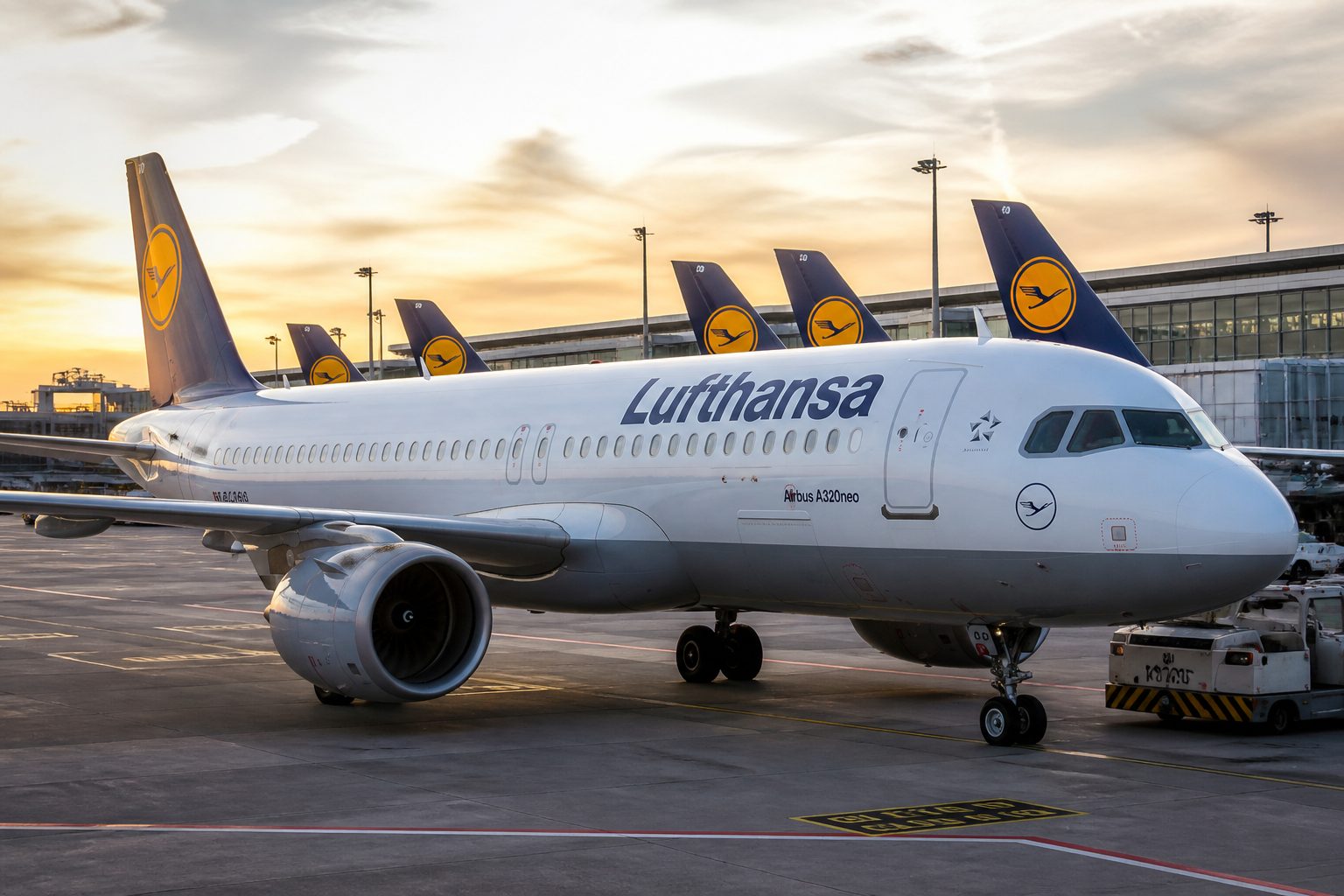
Lufthansa stands out in Europe as pressure mounts. On Wednesday, Reuters said the airline is sticking to its 2026 forecast, banking on steady travel demand, higher ticket prices, and trimmed expenses—plus fuel hedging, which lets it secure fuel costs ahead of price swings. Still, management is staring at a potential €1.7 billion fuel bill for this year and has already decided to scale back summer flights.
Some airlines are scrambling for breathing room. Alaska Air announced a $500 million, five-year debt deal aimed at shoring up cash reserves as higher fuel costs squeeze profits, according to Reuters. In the past few weeks, American Airlines secured $1.14 billion via debt markets, while JetBlue brought in $500 million.
Europe stands out as the trouble spot. Goldman Sachs analysts pointed to the UK as particularly vulnerable—citing the nation’s heavy reliance on jet fuel imports, slimmer inventories, and reduced domestic refining capacity, according to The Guardian. The bank flagged that UK stocks risk dropping to “critically low levels,” raising the specter of possible rationing. The Guardian
UK ministers insist supply remains stable for now. Still, they’re easing up on those “use-it-or-lose-it” slot regulations—the rules that force airlines to fly or risk losing their prized airport times. Transport Secretary Heidi Alexander said the government’s “preparing now” to head off last-minute headaches for families this summer. The Guardian
Airlines are moving to recoup expenses more directly. IAG—parent of British Airways, Iberia, and Aer Lingus—has announced pricing changes, while Virgin Atlantic tacked on a £360 fuel fee for business-class and £50 for economy, according to The Guardian. Tim Moore, economics director at S&P Global, noted that several firms have rolled out fuel surcharges, a factor driving services price inflation to its highest level in three years.
So far, demand is holding. Global passenger numbers in March grew 2.1%, according to the International Air Transport Association, though international travel slipped 0.6% as Middle East airlines saw a sharp drop. Summer still looks set to be busy, IATA Director General Willie Walsh said, but he flagged that airlines are under pressure. Stable fuel supplies and prices, he added, remain key.
Analyst views diverge over how long travelers will keep footing higher bills. “It’s a mixed picture,” said Atmosphere Research Group president Henry Harteveldt to Al Jazeera. Fares, he notes, are still shy of their 2007-08 highs, but normalization could take several months—maybe a year—post-conflict. Meanwhile, Hans Jorgen Elnaes at Winair AS observed that some Europe-Asia ticket prices have soared up to five times, not just because of fuel, but heavy demand and tight capacity. Al Jazeera
Wednesday saw Brent crude briefly dip under $100 a barrel, trimming losses as talks progressed between the United States and Iran. Still, the market might be getting ahead of itself. Rystad Energy’s Paola Rodriguez-Masiu told Reuters that even with better access through Hormuz, it could take six to eight weeks before actual oil flows stabilise. That lag keeps airlines on edge: another round of cancellations, surcharges, and tighter margins is still very much on the table if diplomatic momentum falters.