
Sydney, May 15, 2026, 05:03 AEST
- Aristocrat bumped up its on-market share buyback by another A$1 billion, lifting the total authorization to as much as A$2.5 billion.
- Normalised NPATA for the first half climbed 8.4% to A$794 million, or 16.3% when measured in constant currency.
- After a 13.3% surge the previous day, shares finished at A$51.39 on May 14.
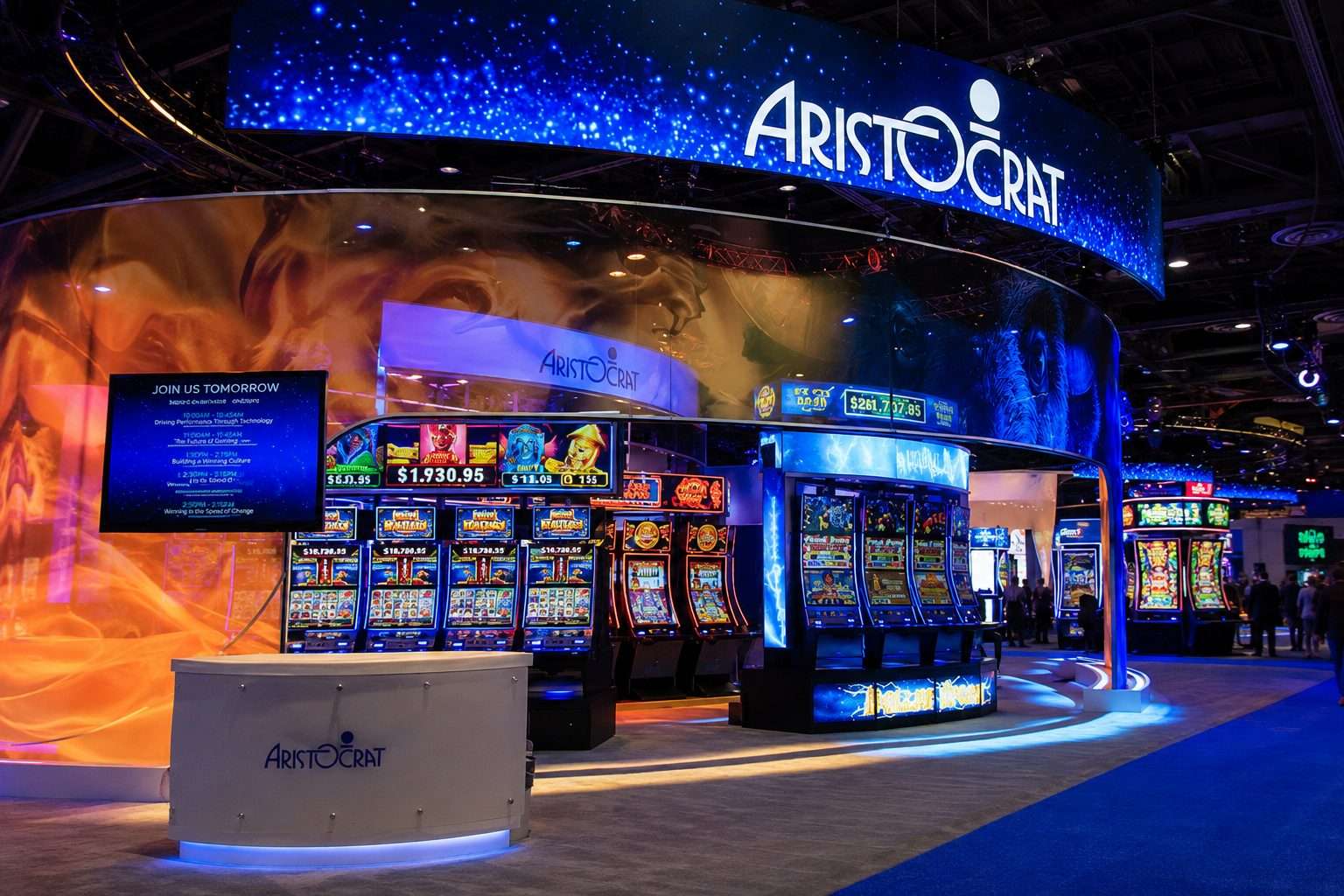
Aristocrat Leisure Limited bumped up its on-market share buyback by A$1 billion, following a jump in first-half earnings. The move, aimed at returning more capital to shareholders, lit a fire under the Australian gaming supplier’s shares this week. According to the company, the buyback may now total as much as A$2.5 billion, stretching out until May 12, 2027.
Timing’s key here. Investors wanted to see if Aristocrat’s North American gaming-machine unit and its social casino games could keep generating solid cash, even as the company pours money into online real-money gaming and tech upgrades. Aristocrat reported A$981 million returned to shareholders in the half, via dividends and buybacks.
Shares finished Wednesday at A$51.94, a 13.3% jump from Tuesday’s A$45.85 close, but slipped back to A$51.39 by Thursday. Last trade was before Friday’s open in Sydney; keep in mind ASX data lags by at least 15 minutes.
Aristocrat posted a normalised net profit after tax and before amortisation of acquired intangibles—NPATA—of A$794 million for the half-year to March 31, marking an 8.4% increase from the prior year. The company uses NPATA as its main profit gauge, excluding amortisation linked to acquisitions and some major items. Revenue landed at A$3.03 billion in reported terms, almost flat, but climbed 6.4% when measured on a constant-currency basis.
Aristocrat Chief Executive Trevor Croker called it a “strong first half,” highlighting “market share gains in key segments.” Croker noted disciplined execution, improved operating leverage, and a steadier balance between investing and returning capital to shareholders.
The board bumped the interim dividend up to 50 Australian cents a share, compared with 44 cents last year. The payout remains unfranked. Record date is May 26, with payment set for July 1.
Aristocrat Gaming still did the heavy lifting. Revenue for the division came in at A$1.96 billion, up 4.9%. Profit moved 3% higher to A$1.06 billion. The company pointed to North America and Australia as key growth spots for outright sales—meaning machines were sold, not leased. In North America, the installed base for gaming operations topped 77,200 units, according to Aristocrat.
Product Madness, Aristocrat’s social casino division, turned in a mixed performance. Social Casino revenue ticked up 4.7% to US$541.7 million. Still, total Product Madness revenue dropped 4.1% to US$546.2 million, pulled down by the early-half divestment of Social Casual assets. Direct-to-consumer sales now account for 24% of Social Casino revenue, up from 13% this time last year, as more players bypass third-party app stores in favor of Aristocrat’s own channels.
Aristocrat Interactive, the company’s online real-money gaming arm, posted a sharper divide between growth and profit. Revenue, factoring in its portion of NeoPollard Interactive’s JV, came in at US$230.3 million—up 6.5%. Profit, though, slipped 10.6% to US$64.3 million. The drop traced back to spending on fresh acquisitions and pulling out of the White Label segment, the side where it licenses technology to other brands.
Another angle: Aristocrat recorded A$138.7 million in pre-tax settlement proceeds from its litigation with Light & Wonder, with A$100.3 million after tax marked as a significant item. This came after a January deal in which Light & Wonder agreed to pay US$127.5 million to resolve claims related to Dragon Train and Jewel of the Dragon titles.
The numbers came in mixed. Reported revenue held steady, while Product Madness saw a revenue decline following the asset sale. Interactive profit took a hit as well. Currency movements didn’t help: Aristocrat pointed out that a stronger Australian dollar versus the greenback trimmed reported revenue by A$200 million and normalised NPATA by A$58 million for the half.
Aristocrat is guiding for NPATA growth on a constant-currency basis for the full year ending Sept. 30. The company highlighted gaming operations net unit growth, landing at the high end of its 4,000-to-5,000 target range. Product Madness continues to gain market share, and Aristocrat Interactive is tracking toward its fiscal 2029 US$1 billion revenue goal.