
WASHINGTON, August 22, 2026, 08:21 EDT
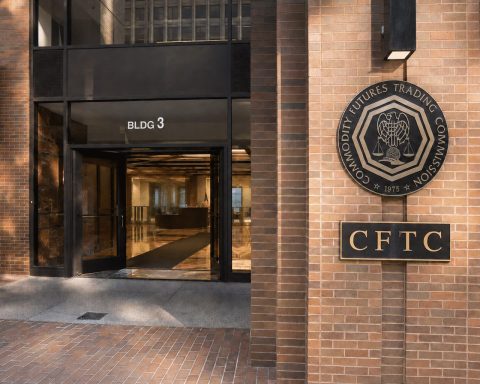
- The CFTC wants input on how to regulate derivatives based on computing power.
- CME set to launch H100 and B200 rental-index futures on October 5, pending review.
- Comments have to be in by October 20. There’s no new contract yet.
The U.S. Commodity Futures Trading Commission is reviewing derivatives linked to computing power. Exchanges are working on contracts meant to hedge swings in AI infrastructure costs. The CFTC posted its formal request Friday and set an October 20 deadline for comments.
The shift is key as advanced chip access has become a big operating expense. But a unit of compute isn’t like a barrel of oil—prices jump around depending on chip model, geography, memory, software, and network hookups.
The benchmark is the real product here. A futures contract only shields the buyer if the index matches the actual capacity in use. If not, the hedge and the charge might not move together.
CFTC Chair Michael Selig said the US “cannot win the AI race without a robust derivatives market for compute.” He said this review is a first move to clarify the rules. The request asks about market size, manipulation, customer protections and perpetual futures. CFTC statement
| Planned contract | Reference | Format | Timing | Status |
|---|---|---|---|---|
| CME/Silicon Data H100 | Hourly Nvidia (NASDAQ:NVDA) H100 rental index | One month of rent; NYMEX | October 5, 2026 | Pending regulatory review |
| CME/Silicon Data B200 | Hourly Nvidia B200 rental index | One month of rent; NYMEX | October 5, 2026 | Pending regulatory review |
| ICE/NATIVX | COIL energy-normalized compute index | U.S. dollar, cash-settled | Later in 2026 | Pending regulatory review |
| ICE/Ornn | Ornn Compute Price Index across GPU types | Not disclosed | Not disclosed | Pending regulatory review |
CME Group (NASDAQ:CME) says it will launch two new monthly rental-index futures using Silicon Data. The contracts are set to follow hourly rental prices on Nvidia’s H100 and B200 GPUs, with the symbols GPU1 and GPU2. Customer testing is set for August 30.
CME executive Pete Keavey called compute “the currency of the AI age.” He said futures could give companies tools to manage GPU costs and help with planning. The launch is set for October 5, but it still needs a regulatory review.
Intercontinental Exchange (NYSE:ICE) is working on two separate models. One approach, with NATIVX, adjusts compute based on energy use and network. The other uses Ornn’s pricing, covering several GPU types.
| CFTC review area | Core question | Why it matters |
|---|---|---|
| Cash-market depth | How much trading and liquidity is in compute? | Thin trading can swing prices around. |
| Reference prices | Is it possible to check an index independently? | If a benchmark fails, settlement can be unreliable. |
| Concentration | Do a small number of providers set price or supply? | Fewer suppliers could make it easier to move prices. |
| Settlement | Should these contracts deliver compute capacity or just pay cash? | Physically delivering capacity can be tough to manage. |
| Customer protection | What protections or disclosures will customers get? | New users might not realize how risky derivatives are. |
| Perpetual futures | What’s the approach for contracts with no set expiry? | Leverage and funding can make things more complicated. |
The CFTC said compute trading is still fragmented and opaque, often happening bilaterally. The agency expects early contracts will likely be cash-settled. Getting the exact chips, software, and network access delivered would be tough.
It’s not just data-center operators who would use this. AI developers might look to hedge a future rental bill. Capacity providers could limit exposure to lower prices. Traders could get a new way to bet on compute demand.
| Date | Development | Regulatory position |
|---|---|---|
| May 19 | ICE and Ornn say they’re working on GPU compute futures | Needs regulatory review |
| July 1 | ICE and NATIVX roll out energy-normalized contracts | Needs regulatory review |
| August 11 | CME gives specifics on H100 and B200 rental futures | Needs regulatory review |
| August 19 | CFTC puts out compute-derivatives request | Public comment starts |
| August 21 | Request published in the Federal Register | Official notice out |
| August 30 | CME has its customer testing set | Testing only |
| October 5 | CME aims for launch | Waiting on review |
| October 20 | CFTC shuts comment window | No final rule given |
The consultation isn’t a green light. It also doesn’t decide if a single benchmark can cover a market divided by hardware age and location. Those splits could bring major basis risk for people using it.
Risks: Compute indices face risks tied to thin quoting, heavy reliance on a few data providers, and fast-moving hardware cycles. Using leverage can make losses bigger. Even if a contract trades well, it may not match a buyer’s real cloud costs.
The CFTC is now asking exchanges, providers and customers for evidence. Their responses will decide if pricing GPU-hours can work as a real commodity market. For AI buyers, that could change how budgets for future capacity are set.
Related articles: Artificial Intelligence