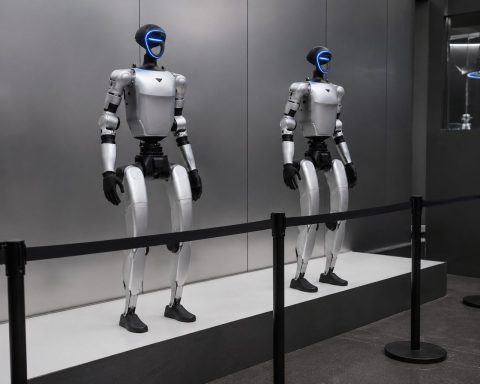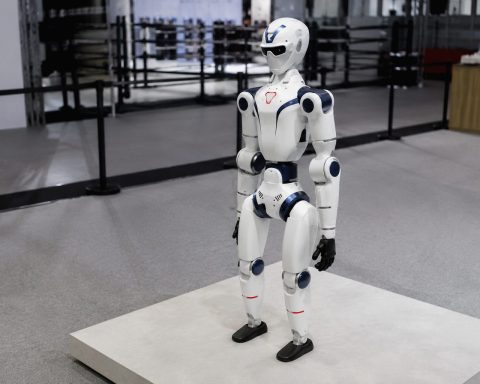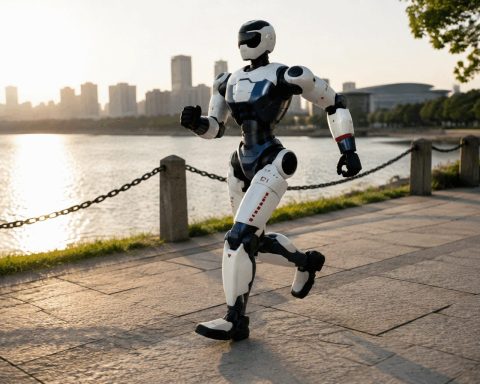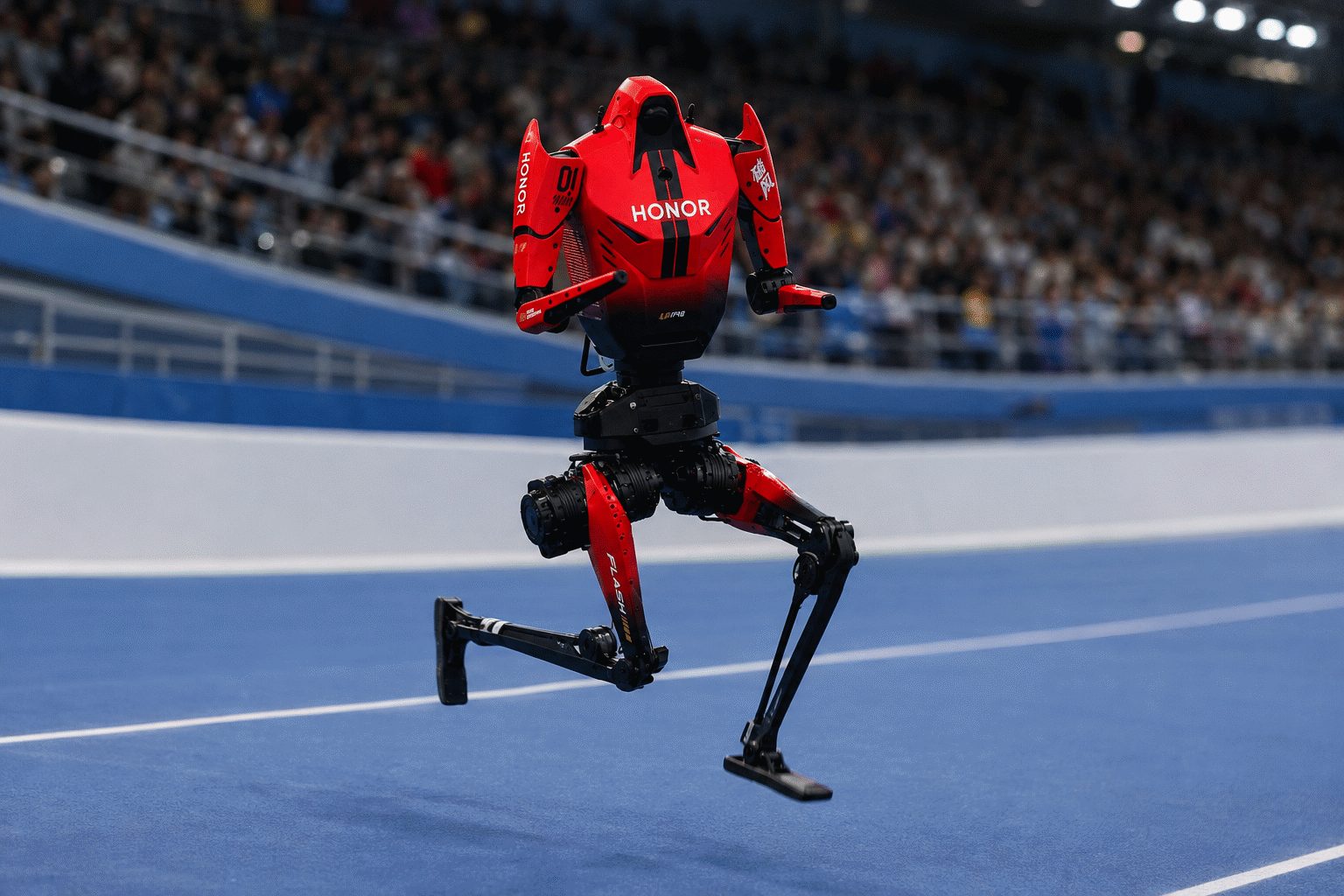

BEIJING, August 23, 2026, 02:15 CST — Tiangong Ultra clocked 9.39 seconds for 100 metres Saturday, winning a heat at the World Humanoid Robot Games in Beijing. The robot finished 0.19 seconds faster than Usain Bolt’s human record.
Bolt’s 9.58-second run is still the men’s world record, according to World Athletics. The 2009 time was measured with certified timing, and the race had a 0.9 m/s tailwind.
The bigger engineering story is the speed at which they’re getting better. Tiangong Ultra took this robot event in 21.50 seconds a year ago. Saturday, the published results show, that time dropped 56.3%.
| Runner | Setting | Time | Average speed | Status |
|---|---|---|---|---|
| Honor Lightning | Preparatory test | 9.32 sec | 10.73 m/s | Robot demonstration; not a human record |
| Tiangong Ultra | 2026 preliminary heat | 9.39 sec | 10.65 m/s | Robot-games time |
| Honor Lightning | 2026 preliminary heat | 9.47 sec | 10.56 m/s | Robot-games showing |
| Usain Bolt | 2009 World Championships final | 9.58 sec | 10.44 m/s | Men’s human world-record |
| Tiangong Ultra | 2025 robot-games race | 21.50 sec | 4.65 m/s | Earlier robot-games mark |
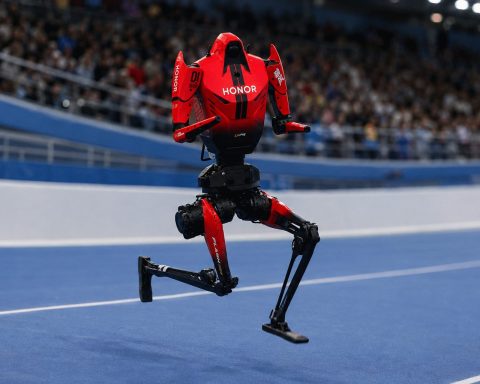
Honor’s red Lightning robot took an early lead, but Tiangong pulled ahead. Lightning posted a 9.47 second finish in the heat. State broadcaster CCTV said the robot earlier logged a 9.32 in testing and hit 14.5 m/s.
The two Lightning times should be labeled separately. The 9.47 seconds happened in a race. The 9.32 seconds was from a test run, and there’s no detail on how that one was timed.
Lightning’s design was tweaked before the Games, with its legs extended to 1.05 metres from 95 centimetres. In April’s humanoid half-marathon, the robot’s height reached 169 centimetres, according to Reuters.
| Metric | 2025 Games | 2026 Games | Change |
|---|---|---|---|
| Teams | 280 | 666 | +138% |
| Robots | More than 500 | 2,056 | Almost four times higher |
| Countries | 16 | 16 | No change |
| Events | 26 | 51 | Almost twice as many |
| Matches | 487 | 1,301 | +167% |
The field keeps getting bigger, matching the rapid sprint times. This year, 2,056 robots are here from 666 teams across 16 countries. Organisers put 51 events and 1,301 matches on the schedule for the five-day meet.
This is the first time the 100-metre race goes fully autonomous. Now, more than just speed matters—the robot needs to start, balance and finish the run on its own, with no help from humans during the race.
| Published result | What it shows | What remains unknown |
|---|---|---|
| 9.39-second heat | Robot ran fast on a set track | Unknown energy spent, hardware life and how often it can do this |
| 56.3% lower time than 2025 | Big jump in control and machine power | No breakdown for hardware, software or race rule effects |
| 14.5 m/s test peak | Fastest speed reported for Lightning | No outside check and how long it can keep that speed |
| 2,056 entrants | More engineers involved | No data on rollout or end-user interest |
The Games aim to link spectacle to deployment, with events in assembly, logistics and emergency response. Beijing industry bureau chief Jiang Guangzhi said robots that perform these last-metre jobs could “turn medals into orders.” Xinhua via China.org.cn
Sprint results don’t show the transition. A factory robot needs to carry loads, save power, and fix mistakes. It also has to be safe next to people.
Risks: Racing pushes teams to make designs that work best for a set task. Longer legs and faster speeds may mean higher impact forces. Limited technical details make it tough to compare products independently.
The last races could cut times again before Wednesday. Right now, 9.39 seconds is the confirmed competition mark. Bolt’s 9.58 still stands as the human world record.