
SYDNEY, July 9, 2026, 06:03 AEST
- CSL ended up 0.27% at A$124.30, beating a falling S&P/ASX 200.
- Sanofi gave commitments to the EU over claims it disparaged CSL Seqirus’s Fluad flu shot.
- CSL’s real test is still coming in August, when results drop after guidance was cut, planned impairments hit, and TAVNEOS uncertainty stays.
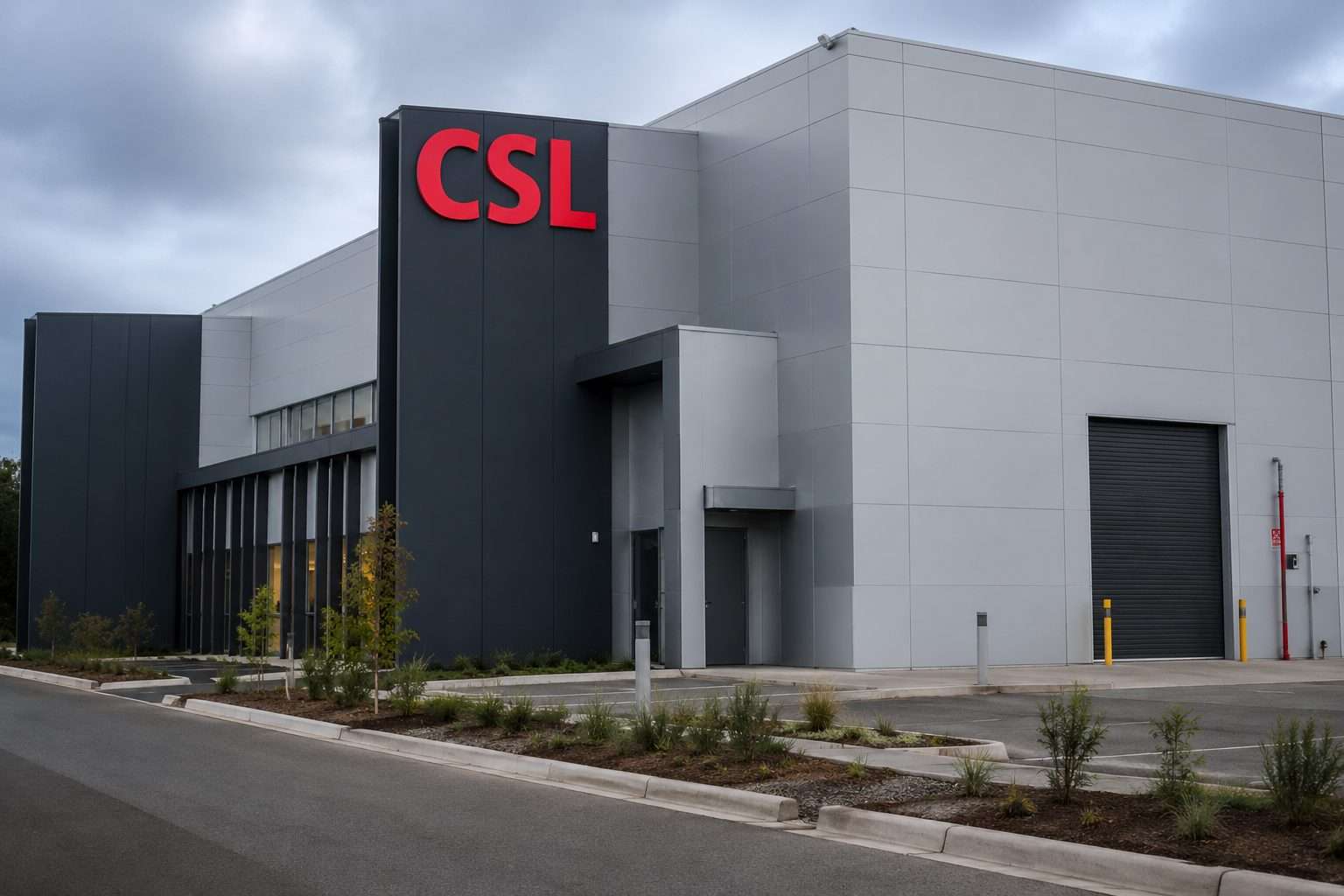
CSL Ltd. is back in focus for Thursday’s Australian session, as Sanofi put pledges to EU regulators about its actions toward CSL Seqirus’s Fluad flu shot. Investors are watching the latest on the vaccine development.
The stock finished Wednesday up 0.27% at A$124.30. The S&P/ASX 200, which tracks big listed names and is a key local market benchmark for institutions, slipped 0.21% to 8,785.10.
Timing is in focus. CSL is up 8.33% in the past week after a selloff in June, but the stock is still down more than 54% from its July 2025 high of A$272. Investors are watching vaccines and plasma numbers for any stability.
Reuters said Sanofi proposed a statement saying Fluad works as well as Sanofi’s own Efluelda vaccine. The European Commission had started an investigation looking at whether Sanofi made negative comments about Fluad, mostly in France and Germany. Antitrust laws are set up to prevent firms from unfair tactics against competitors.
Sanofi is offering to post statements on its German and French sites for two years and to stop making negative claims about Fluad, or saying Efluelda is safer or works better, or distorting study results. The proposed commitments would last through March 2030 if regulators approve them. The EU set an Aug. 21 deadline for third-party comments.
Sanofi now sits at the heart of CSL’s latest peer group, nudging aside local healthcare players like ResMed and Pro Medicus. CSL’s Seqirus unit is mostly about flu-related products. CSL Behring sells plasma therapies. CSL Vifor works in iron deficiency and kidney care.
The key problem for investors is still CSL’s reset. Interim CEO Gordon Naylor said in May, “Our growth initiatives are working, but the financial benefits will take longer than previously anticipated to materialise.” CSL now expects about $15.2 billion in revenue and $3.1 billion in NPATA for FY26, both on a constant-currency basis. NPATA is net profit after tax before amortisation and big one-offs. Constant currency removes exchange-rate moves.
The company pointed to a revenue hit of about $300 million from normalizing U.S. immunoglobulin channel inventory, $200 million due to pressure in the China albumin market, and about $150 million linked to the Middle East conflict, Hemgenix growth estimates, and iron competition. Immunoglobulin products are plasma-derived antibody therapies.
CSL is now forecasting around $5 billion in non-cash, pre-tax impairments for FY26 and FY27. This covers CSL Vifor intangible assets plus property, plant and equipment the company says aren’t being fully used. The next update is set for Aug. 18 with its full-year results.
Europe faces another regulatory issue. On June 29, CSL said the European Medicines Agency’s CHMP panel recommended pulling EU marketing authorisation for TAVNEOS, a CSL Vifor drug for severe active ANCA-associated vasculitis in adults, a serious disease where the immune system attacks blood vessels. CSL said it expects to halt new patient starts in EU and EEA markets until the European Commission makes a decision. R&D chief Bill Mezzanotte said CSL will “respect the regulatory process and” carry it out “in full.”
Sanofi’s decision hasn’t handed CSL a sales victory yet. Regulators need to review the commitments, and CSL stock is still tied to August results, how big the Vifor and TAVNEOS hits turn out, what happens with China albumin prices, U.S. plasma, and who the next CEO will be.
Right now, traders are watching if CSL can keep its bounce near A$124 after the Brussels news. The stock still trades like the main story is the August results.