New York, Feb 12, 2026, 12:42 EST — Regular session underway
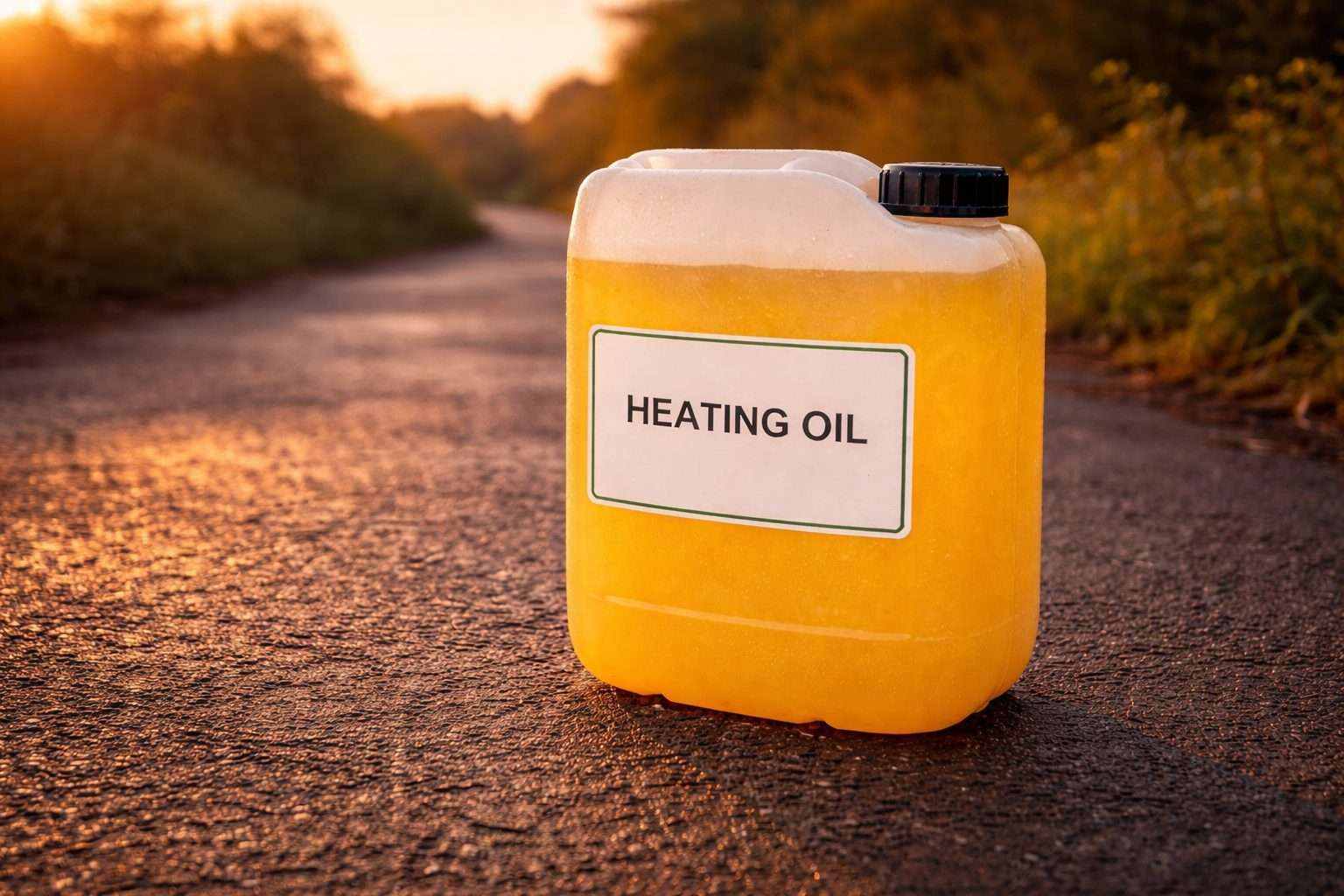
U.S. heating oil futures dropped roughly 2.7% Thursday amid a wider slide in oil prices. By 12:17 p.m. EST, the front-month contract had fallen 6.56 cents, settling at $2.3748 a gallon, after earlier reaching $2.4547. 1
This shift is significant since “heating oil” serves as the U.S. benchmark for ultra-low sulfur diesel (ULSD)—the fuel heating homes in the Northeast and powering trucks. Rapid price changes like this quickly impact near-term hedging strategies for wholesalers and major fuel purchasers.
This all happens right in the thick of winter inventory calculations. Distillates might seem plentiful on paper, but a sudden cold snap or refinery issues can quickly tighten supplies, with the East Coast usually feeling the squeeze first.
Crude prices set the tone once more. Brent and U.S. WTI slipped nearly 2% after the International Energy Agency downgraded its 2026 demand forecast and warned of a surplus. At the same time, concerns eased over potential U.S. measures against Iran. “The market’s doubling down on the lowering demand forecast,” noted Phil Flynn of Price Futures Group. 2
U.S. supply figures for distillates showed a mixed picture. On Wednesday, the Energy Information Administration reported crude inventories climbed by 8.5 million barrels, reaching 428.8 million. Refineries operated at 89.4% capacity, with distillate production averaging 4.9 million barrels per day.
Distillate fuel oil stocks—which cover diesel and heating oil—dipped to 124.7 million barrels in the week ending Feb. 6, down by 2.7 million. On the East Coast, inventories slid 2.1 million barrels to 29.1 million, whereas Gulf Coast supplies climbed to 50.0 million barrels.
Geopolitics stayed in focus even as prices pulled back. Oil had settled higher the previous day amid concerns over U.S.-Iran tensions. “The market continues to be supported by the tension between the U.S. and Iran,” said Andrew Lipow of Lipow Oil Associates. Meanwhile, PVM’s Tamas Varga noted the rhetoric remains “belligerent” but didn’t see any signs of escalation at this point. 3
Thursday’s tape revealed just how fast traders pivot from headline risk back to demand. Heating oil usually tracks crude on days like these, despite distillate supplies being tighter than gasoline.
This market isn’t one-directional. If the Northeast gets colder than expected or a refinery goes offline, distillate supplies could tighten fast. On the other hand, a sharper demand cut or consecutive crude stock increases might keep weighing on the entire complex.
Coming up is the EIA’s weekly petroleum status report, set for Feb. 19, plus any updates on when the next U.S.-Iran talks will take place and their likely tone. 4