
JAKARTA, May 4, 2026, 20:13 WIB
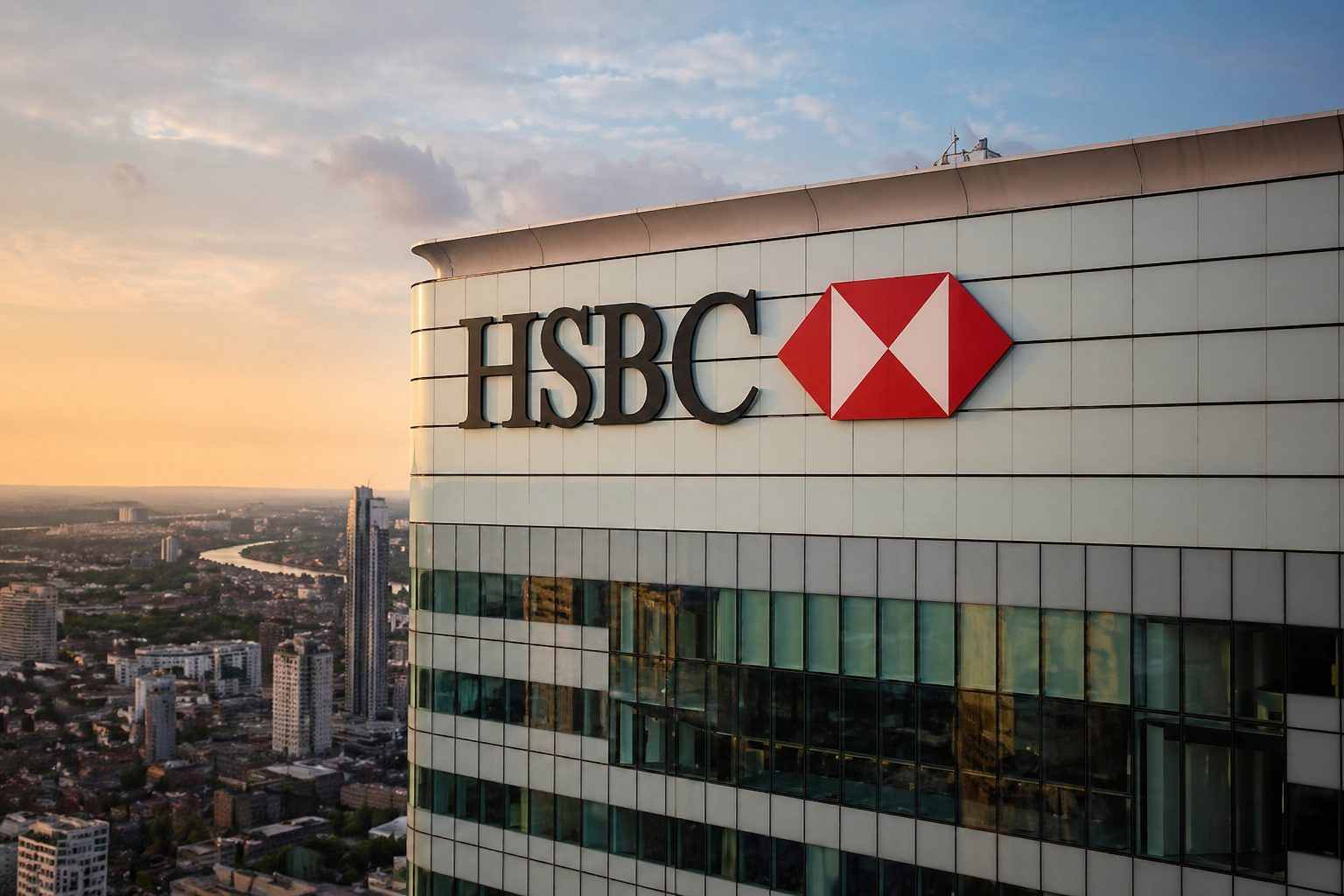
HSBC Holdings Plc is offloading its Indonesian wealth and premier banking portfolio to OCBC’s local arm, a move that hands over 336,000 clients and S$6.6 billion ($5.2 billion) in assets under management. OCBC confirmed Monday that the assets will shift to PT Bank OCBC NISP, giving the Singapore-based lender a bigger footprint in Southeast Asia’s largest market.
The clock’s ticking for HSBC: first-quarter 2026 results are set to land at 5 a.m. BST on Tuesday, just ahead of the annual meeting. Investors are on alert, scrutinizing how Chief Executive Georges Elhedery handles capital, buybacks, and whether the group’s structure really is cleaner.
HSBC’s move to sell aligns with its ongoing effort to scale back retail operations that are either small or yield less, channeling more capital into markets like Hong Kong, the UK, and into corporate banking and upscale wealth services. According to its company profile on Reuters, the International Wealth and Premier Banking segment covers premier banking beyond Hong Kong and the UK, along with private banking, asset management, insurance, and investment distribution.
OCBC Indonesia puts the portfolio’s assets under management at IDR89.8 trillion. That breaks down to IDR58.2 trillion held in mutual funds, bonds and insurance for customers, and IDR31.6 trillion in deposits. There’s also a retail loan book—IDR3.6 trillion, a relatively modest figure—that’s set to transfer as well, according to unaudited numbers as of Dec. 31, 2025.
The deal’s final price wasn’t revealed. According to OCBC, the amount will be set post-completion and factor in a premium—potentially up to S$480 million. The bank is targeting a second-quarter 2027 close, projecting the acquisition will boost earnings after accounting for one-off costs.
OCBC Group CEO Tan Teck Long described the Indonesia deal as a good match for the bank’s ‘Next Frontier’ strategy, The Edge Singapore reported. He labeled Indonesia “a long-term commitment, and a key growth market,” and highlighted the deposit base for its role in providing stable, low-cost funding. The Edge Singapore
No shortage of rivals here. DBS Group and UOB had both surfaced as names in the running for HSBC’s Indonesia business not long ago. OCBC? They’re already on the ground with a Jakarta-listed unit, and snapped up PT Bank Commonwealth Indonesia in 2024.
HSBC has worked to make clear that trimming operations doesn’t mean backing away from top-performing markets. Back in February, the bank posted a 2025 pretax profit of $29.9 billion, a drop from the prior year. Still, on a constant-currency basis and excluding one-off items, pretax profit climbed to $36.6 billion, thanks to gains in wealth and transaction banking. “A simple, more agile, focused bank,” is how Elhedery described HSBC at the time. HSBC
There’s a catch. Closing is still more than a year out, with conditions precedent in play, and the final price could change at the finish line. Handing over 336,000 customers, around 1,300 employees, and 26 branches isn’t simple; if deposits or wealth assets don’t move over smoothly, OCBC doesn’t get the scale or funding it’s after, and HSBC’s balance sheet isn’t as pristine as hoped.
The deal underscores the ongoing shakeup in Asian retail banking. Local and regional banks are chasing scale in Indonesia, while global players continue narrowing their battlefield. Investors get their next update on that calculation when HSBC reports Tuesday—whether slimming down is actually freeing up capital and management bandwidth remains to be seen.