
London, May 4, 2026, 14:12 BST
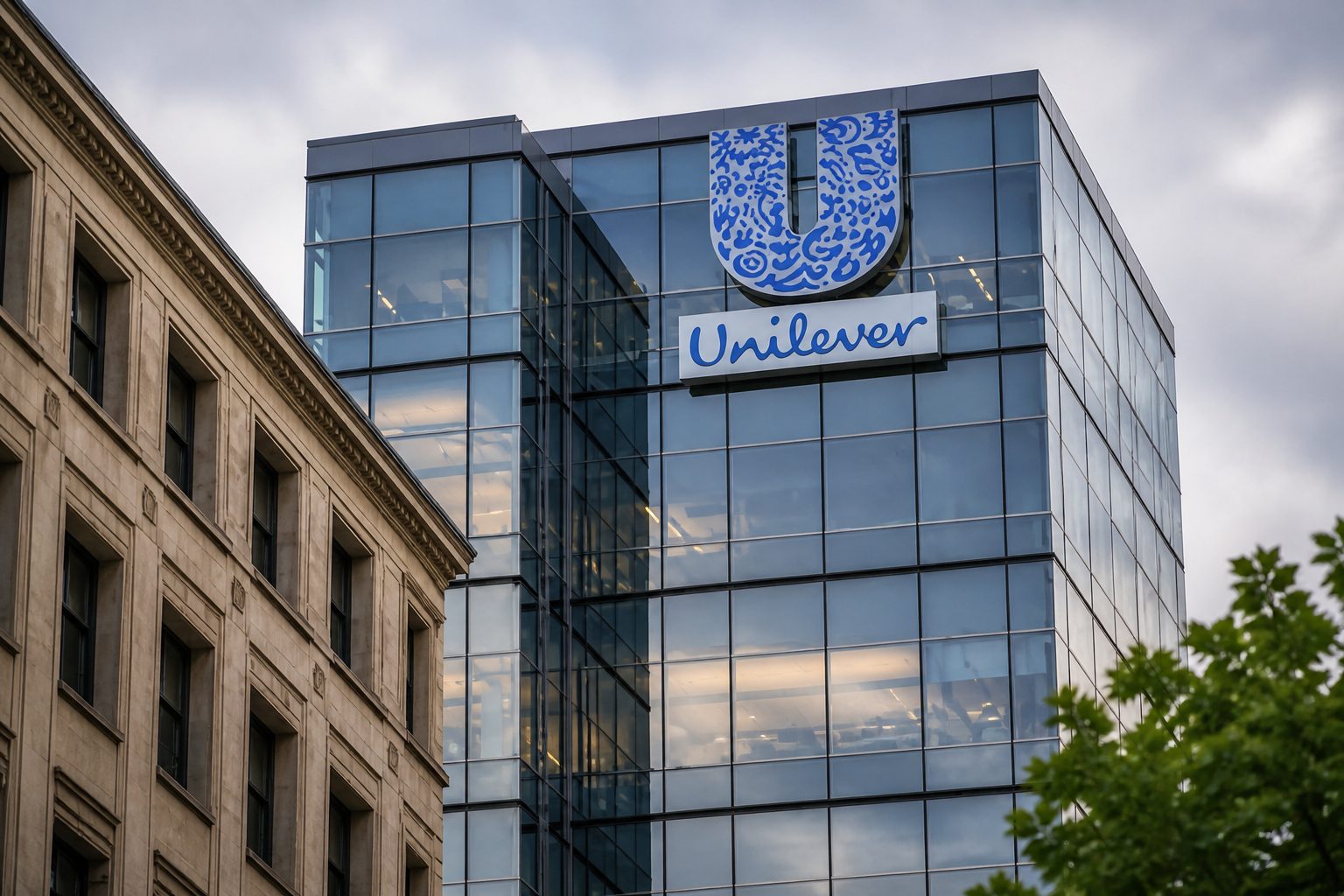
Hindustan Unilever shares gained 2.6% on Monday, closing at ₹2,309.05—a jump that outstripped India’s broader indexes and arrived just as parent Unilever PLC faces pressure elsewhere. Investors appeared to shrug off last week’s warnings about higher costs and planned price hikes across Unilever’s global brands like Dove and Persil.
Timing is key here. Unilever reported that first-quarter gains came from selling more products, not just upping prices — underlying sales climbed 3.8%, based on its like-for-like benchmark. The company pointed to 5.7% growth in emerging markets, with India up 7%. CEO Fernando Fernandez described it as a “good start to the year,” highlighting both the volume-driven improvement and India’s strong showing. Unilever
Unilever kicked off a share buyback worth as much as €1.5 billion on April 30, planning to wrap the programme by July 6 at the latest. According to a regulatory filing, Morgan Stanley will handle the deal, following non-discretionary orders, with the aim of cutting capital.
There’s more at play than just the buyback. Unilever is set to merge its Foods division with McCormick, giving Unilever Foods an approximate $44.8 billion valuation. Under the terms, Unilever and its shareholders are slated to take 65% of the new company’s equity, and Unilever itself will pocket $15.7 billion in cash. The structure? It’s a Reverse Morris Trust, a common U.S. maneuver for spinning off and merging units with favorable tax treatment.
But costs are squeezing the company. Unilever is staring down full-year cost inflation somewhere between €750 million and €900 million, according to Reuters. Finance chief Srinivas Phatak flagged “frequent price increases but in small doses,” and said the hikes could push toward the upper end of 2% to 3% if inflation doesn’t let up. Nestlé, Procter & Gamble, and Reckitt have also sounded alarms on rising costs—pressure all around for the sector. Reuters
It’s a mixed picture for India. Hindustan Unilever notched up an 18% jump in March-quarter profit, coming in at ₹29.30 billion, with revenue up 7%. Still, finance chief Niranjan Gupta flagged that material cost inflation is running anywhere from 8% to 10%, while the company’s price increases have only managed 2% to 5% so far. Akshay D’Souza, a consumer goods consultant, told Reuters there’s a “margin squeeze” for HUL and rivals, squeezed between tough competition and wary shoppers who aren’t swallowing higher prices fast enough. Reuters
That’s the catch for Fernandez’s streamlined Unilever play. Persistently high crude-linked costs, paired with consumer resistance, could box the company in—defend margins, or defend sales volume. Chris Beckett, consumer staples analyst at Quilter Cheviot, notes just how tough it is to push prices higher in developed markets: “it’s not easy to take pricing.” Reuters
Unilever shares in London climbed 2.56% to £44.07 on Friday, outpacing a sluggish FTSE 100, according to MarketWatch data. Still, the stock continues to trade well below its 52-week peak. Now, attention shifts to whether Monday’s momentum from India can stick, especially as the company rolls out fresh price hikes into markets where consumers remain price-conscious.