
London, May 1, 2026, 13:39 (BST)
- Lloyds slipped 1.4% to 98.27p in early afternoon, pulling back despite a first-quarter profit beat and Thursday’s 2.7% gain.
- The bank hiked its 2026 net interest income goal to over £14.9 billion, crediting stronger lending and rising rates for the boost.
- NatWest’s Friday release echoed what’s been seen across UK banks: lending income held solid, though the bank booked new provisions connected to the Middle East conflict.
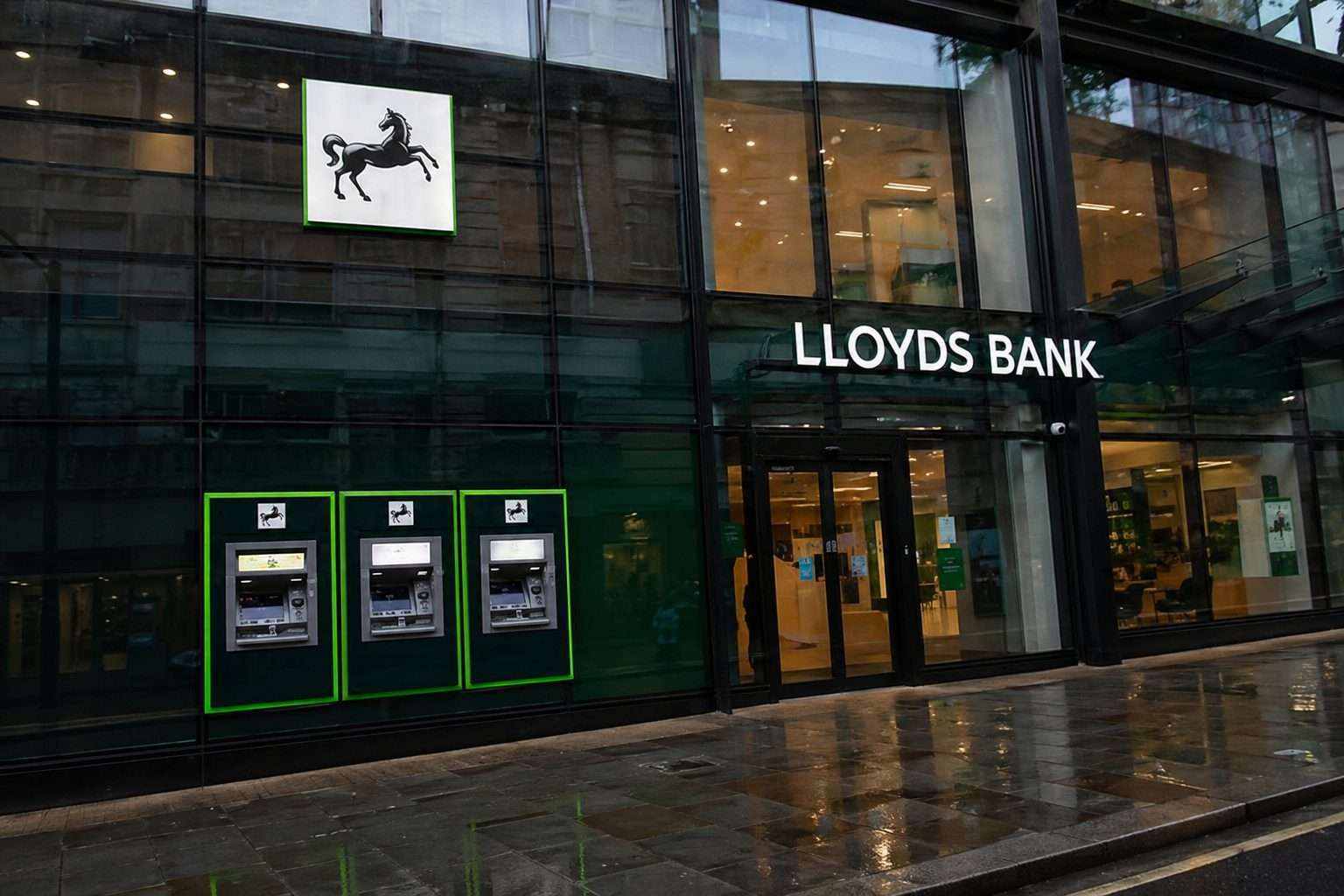
Lloyds Banking Group shares slipped Friday, down 1.4% to 98.27p by 13:36 BST, according to market data, undoing some of Thursday’s advance. Investors looked past the bank’s improved first-quarter profit, focusing instead on a bleaker UK economic outlook and new credit charges tied to the war.
Lloyds is closely watched as a barometer for UK consumers, the mortgage market, and small-business lending. The bank posted statutory pre-tax profit of £2.025 billion in the first quarter, marking a 33% jump from last year. Higher income, cost discipline, and limited impairments all played a role.
But there’s a hitch: Lloyds noted its impairment charge reflected a gloomier economic forecast following the Middle East conflict. The bank is now factoring in slower UK growth, stickier inflation, and no Bank of England rate cuts this year.
Lloyds posted net interest income of £3.483 billion, up from £3.204 billion the previous year. That’s the difference between what the bank brings in from lending and what it shells out to savers—a metric that’s turned crucial for Lloyds as rate hikes continue to prop up loan yields.
Lloyds reported its net interest margin climbed to 3.17%, up from 3.03% a year earlier. The structural hedge gave the metric a boost, locking in yields on portions of deposit balances. Still, gains were trimmed by tough competition in mortgages, the bank said.
Lloyds Chief Executive Charlie Nunn pointed to “sustained strength in financial performance” and held firm on the bank’s 2026 outlook. The group is sticking with targets: net interest income topping £14.9 billion, cost-to-income ratio under 50%, return on tangible equity north of 16%, and capital generation above 200 basis points. Lloyds Banking Group
The bank posted a common equity tier 1 ratio of 13.4%. That CET1 figure—a closely tracked gauge for both regulators and investors—is expected to ease to around 13.0% by the end of 2026, according to Lloyds.
CFO William Chalmers told reporters that Lloyds is working with the assumption of “a gradual de-escalation” in hostilities over the year, according to Reuters. The bank has booked a £151 million charge to account for the impact on global growth if things play out that way. Reuters
NatWest posted a 12% jump in first-quarter profit on Friday and raised its income outlook. Still, the shares slid. The bank trimmed its UK GDP and house-price forecasts and booked a £283 million impairment charge—£140 million of that linked to the economic fallout from the war.
“What a difference a few months makes,” Hargreaves Lansdown analyst Matt Britzman wrote, pointing out how Lloyds has shifted from discussing rate cuts and a robust environment back in January to now forecasting no cuts in 2026, with inflation running hotter and GDP growth coming in weaker. Britzman flagged the lender’s focus on loans, making net interest margin the key metric for the story. Hargreaves Lansdown
Risks, though, are still hanging around. Lloyds left its motor finance commission provision untouched, but flagged that response rates, legal costs, lawsuits, and challenges from third parties might still hit the bottom line. Competition is still fierce in the mortgage space—new lending margins could come under more pressure.
Lloyds announced on April 30 it plans to redeem all $500 million of its 6.75% Additional Tier 1 notes on June 27. The AT1 notes—part of the capital banks use to cushion losses—will be taken out at their full principal value, plus any interest due and unpaid.
All eyes turn to July. Nunn says Lloyds will roll out a fresh strategy alongside half-year numbers, with the 2022-2026 plan winding down and investors eyeing whether those juiced-up earnings from higher rates hold up as the UK economy softens.