
Gothenburg, May 8, 2026, 21:04 (CEST)
- Polestar hit a record with 13,126 cars sold in the first quarter, a 7% increase. Revenue, though, hardly budged.
- Net loss surged to $383 million—more than double—with tariffs, price reductions, and currency swings all weighing on margins.
- The EV maker is betting on Europe, rolling out more models and expanding its dealer network to steady the business.
Polestar kicked off the year with record first-quarter deliveries, but that momentum wasn’t enough to offset mounting headwinds. The Swedish EV maker’s net loss ballooned to $383 million—more than double the $166 million loss from the same period last year—while revenue inched up just 0.2% to $633 million. Price cuts and tariffs continue to batter margins.
Numbers are coming into sharper focus as Polestar works to show it can expand without burning cash so quickly. The company’s cash reserves slid to $676 million by the end of March, down from $1.16 billion at December’s close—a steep decline for a business still paying for model launches and wider distribution.
The results come as the EV market gets more challenging. Polestar pointed to “intensified competition,” fresh EU and U.S. tariffs, currency swings, and typical first-quarter softness as factors that undercut its cost-saving efforts. Shares listed in the U.S. dropped almost 8% following the update on Thursday, according to Reuters. Reuters
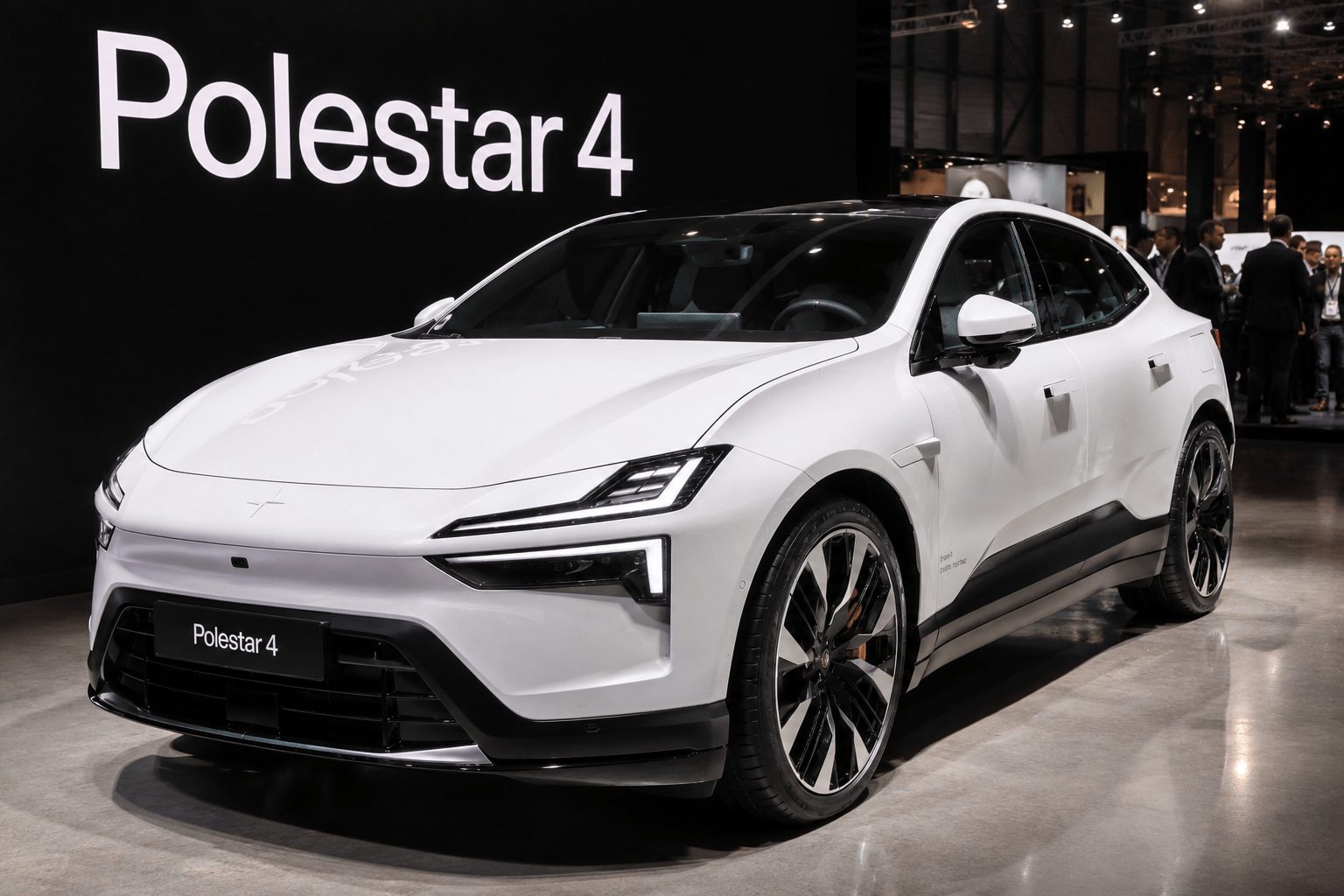
Polestar moved 13,126 vehicles last quarter, a slight bump from 12,263 the previous year. The extra units didn’t do much for revenue, though. Buyers shifted toward the less expensive Polestar 4, away from the premium Polestar 3, and carbon-credit revenue also slipped.
Gross margin cratered to negative 3.2%, reversing from a positive 10.3% a year ago. Polestar pointed to pricing pressure, fresh EU and U.S. tariffs, shrinking carbon-credit income, and several one-time charges. The company said cost cuts and a bigger contribution from the Polestar 4 cushioned the blow somewhat.
Chief Executive Michael Lohscheller credited “strong volume growth in a very competitive market” during the first quarter, according to the company’s statement. Lohscheller said Polestar was stepping up efforts to “adjust our business model, become leaner and improve manufacturing efficiencies.” Polestar
Lohscheller didn’t mince words on the analyst call. “The world around us continues to throw up challenges,” he said. He pointed to market conditions, tariffs, and seasonality, noting these factors outweighed efforts made to cut costs. Investing
Europe is still the main focus. On the call, Lohscheller highlighted an 11% jump in European sales, now accounting for 78% of the total. The UK saw a 20% rise, Germany climbed 35%, and Sweden added 17%. That shift edges Polestar toward its premium European competitors, steering clear of some tariff fallout from China-made cars entering the U.S. and EU.
Polestar is tweaking its sales model. The company finished the quarter with 230 sales points, up from last year’s 159, and it’s targeting around 250 worldwide by the end of 2026. Instead of focusing on compact city-center locations, Polestar is moving toward larger, full-service dealerships—places where customers can take test drives, get maintenance, and pick up used cars.
Funding remains at the forefront. Polestar reported more than $1.4 billion in facility renewals for the quarter and locked in $700 million in fresh equity from financial institutions, deals linked to Geely Sweden Holdings. On top of that, the company said it had received credit approval—pending documentation—for an additional 50 million euros in its green trade finance facility.
Polestar’s rollout plan aims to buy some breathing room and pull in a broader range of buyers. The company’s schedule has a new Polestar 4 variant coming late 2026, followed by an updated Polestar 2 in early 2027. The Polestar 7, a compact SUV, is penciled in for 2028, with its production set for Europe. Also on deck: the upcoming Polestar 6 roadster.
Still, the risks are hard to ignore. Should price reductions accelerate, tariffs remain elevated, or the shift to the new dealer setup lag in boosting private demand, Polestar might be looking at a capital raise before it sees margin relief. The company has flagged that anything from funding access and cost-cutting to launch execution and tariff swings could all weigh on what comes next.
Polestar isn’t offering a full-year financial forecast. The company plans to release its second-quarter retail sales numbers on July 9.