
London, May 15, 2026, 12:09 BST
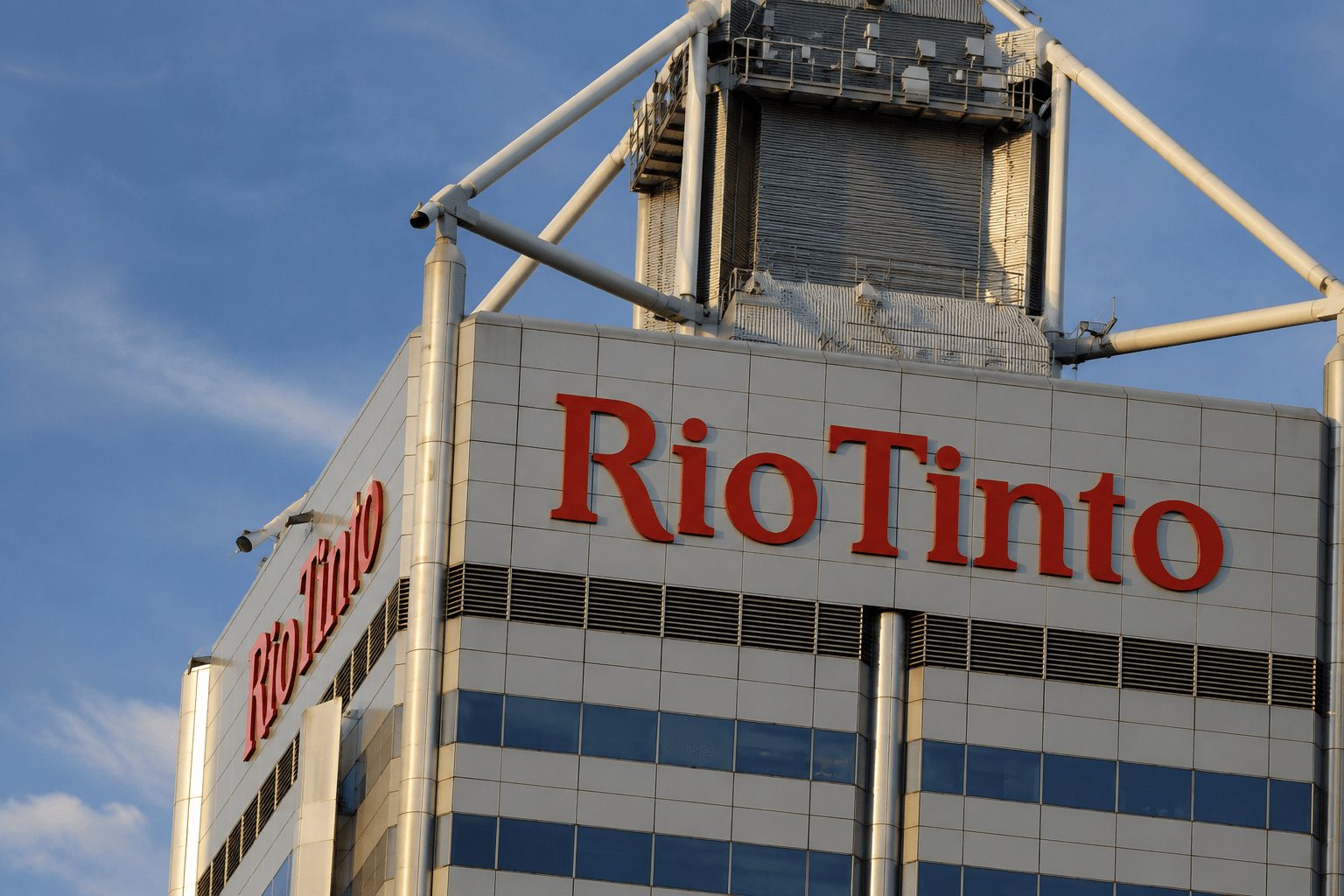
Rio Tinto PLC tapped Trudi Charles, a longtime BP executive, as its incoming chief legal officer. The appointment lands as the miner is navigating major copper and iron ore projects, turbulent commodity swings, and sluggish London share performance.
Charles is set to take over from Isabelle Deschamps as Chief Legal Officer, Governance & Corporate Affairs, with Rio Tinto confirming she’ll come on board Aug. 1. Currently BP’s deputy general counsel and senior vice president overseeing legal, supply, trading and shipping, Charles has logged more than two decades at the energy giant. “Deep legal experience and strong commercial insight,” is how Rio Tinto Chief Executive Simon Trott described her background. Business Wire
The timing’s key: Rio is doubling down on growth assets just as investors rethink miner valuations after a sharp rally. London-listed shares finished Friday at roughly 7,831 pence, sliding from Thursday’s 8,154 pence close. Earlier in the week, the stock hit a 52-week high at 8,275 pence, according to market data.
So a standard legal hire lands in a setting that’s anything but ordinary. Rio’s chief of legal and governance will be near the action on project sign-offs, joint ventures, labor fights, and dealings with officials—any of which can shift mining costs or timelines.
Rio’s lineup keeps evolving. The group is pushing for greater copper exposure—think power grids, data centres, electric vehicles—even as it leans on steady iron ore cash from Australia’s Pilbara region.
Last week, Reuters said Rio was weighing an increase to its 17.2% holding in McEwen Copper’s Los Azules project in Argentina—ranked among the top 10 largest copper deposits worldwide still awaiting development. Michael Meding, McEwen Copper’s managing director, told Reuters that Rio is “building their copper pipeline” and has “a mandate to add copper” to the portfolio. Reuters
No mistaking the rivalry here. Investors still lean on BHP and Rio Tinto for broad exposure to industrial metals, the big names in the space. Glencore, despite merger talks fizzling earlier, continues to draw attention as a possible consolidation candidate.
Prediction market odds aren’t giving much hope for a speedy comeback. Polymarket traders are only assigning around a 1% chance that Glencore and Rio Tinto will announce a sale or merger before June 30—while the market suggests a hefty 98.9% implied probability that nothing gets done.
Fund managers are shifting back toward mining stocks and metal exposure. According to Reuters, assets in mining exchange-traded funds surged, hitting $87.4 billion by March 31—more than double what they were before. Harding Loevner portfolio manager Anix Vyas pointed to Rio’s copper and aluminium portfolio, noting possible tailwinds from data centre demand and industrial usage.
The tone has sharpened. Last month, Rio issued a warning: its outlook for the second half is clouded by uncertainty around Middle East conflict impacts on supply chains. Even so, first-quarter Pilbara iron ore sales ticked up 2.4%, and mined copper hit 229,000 tonnes, up from 210,000 tonnes a year ago. CLSA Australia’s Baden Moore pointed to jet fuel and diesel shortages as the standout operational risk for the back half.
Simandou complicates the picture. According to Rio, the Guinea operation represents the biggest mining and infrastructure effort on the continent. The SimFer mine should reach its target output—60 million tonnes a year—over a 30-month ramp-up, but only after the shared rail-to-port system goes live.
Project risk didn’t take long to surface close by. Earlier this month, according to Reuters, mining operations at the Baowu-led Simandou blocks ground to a halt as workers walked off the job over pay. They want the same wages as employees at SimFer—the partnership between Rio Tinto, Chinalco, and Guinea that runs blocks 3 and 4.
Trott steps into the top legal seat at Rio just as critical issues line up: copper expansion, the Simandou project getting underway, supply-chain strains, and investors watching closely after a sharp rally that’s tightened the margin for error. The risk is clear enough. Should costs creep higher, labor troubles escalate or metal prices slide, investors will likely focus more on how well operations run than on shifts in governance.