
SEOUL, May 6, 2026, 20:13 (KST)
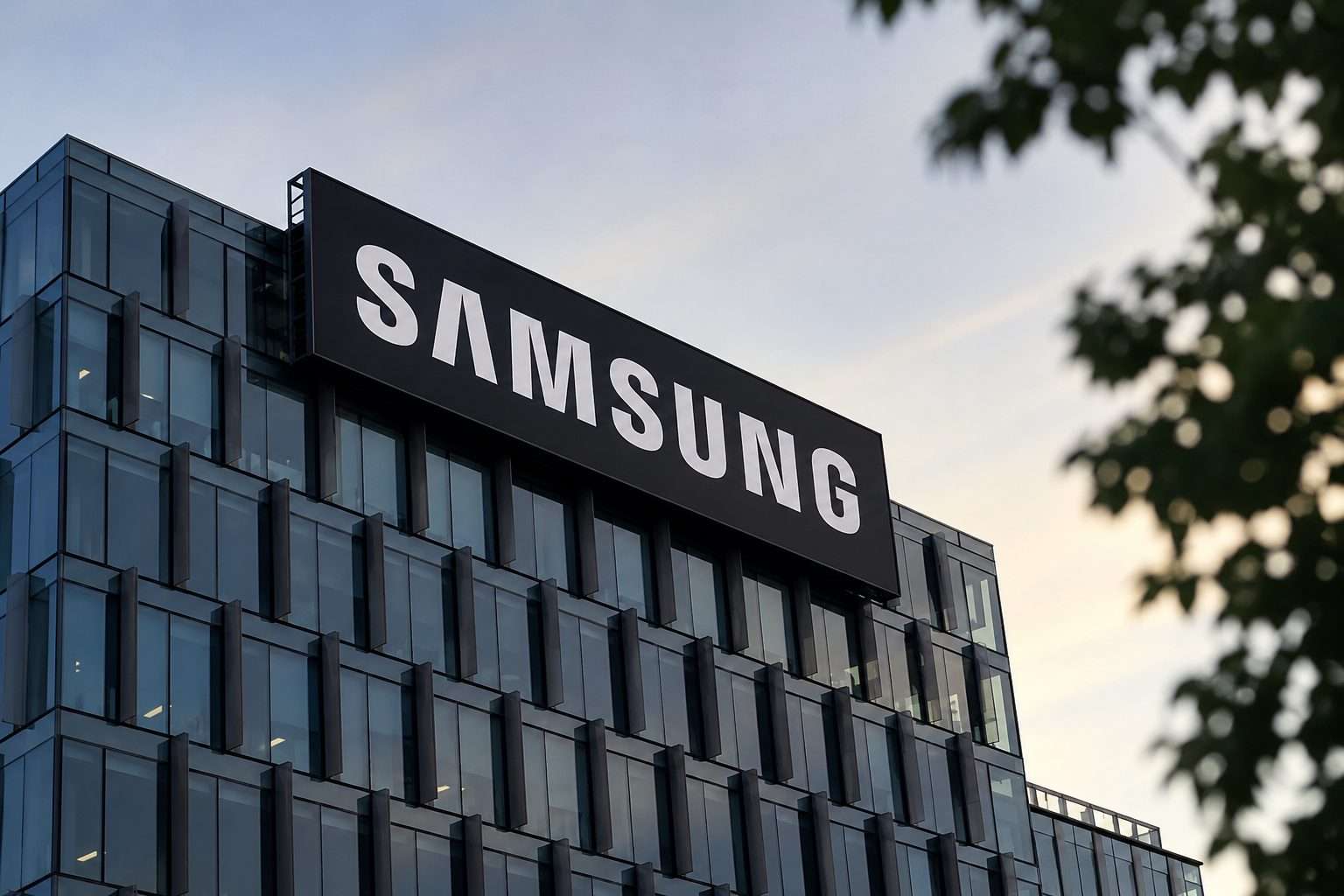
On Wednesday, Samsung Electronics’ common shares surged past $1 trillion in market value, putting the South Korean memory-chip giant right behind Taiwan Semiconductor Manufacturing Co. as the second Asian firm to reach that level. Investor appetite for artificial intelligence chips fueled the rally, sending Seoul’s KOSPI index over the 7,000 mark for the first time.
This milestone’s significance comes from memory chips shifting out of their old cyclical parts role, taking center stage within AI infrastructure. Markets are assigning Samsung and SK Hynix valuations that reflect their newfound status—not just as hardware makers, but as critical choke points in the global drive to expand AI data centers.
The KOSPI finished up 6.45% at 7,384.56 in Seoul, after a brief “sidecar” pause kicked in as futures spiked. Samsung soared 14.4% and SK Hynix added 10.6%, pushing their combined weight to 44% of the index. Foreigners set a new record, snapping up 3.1 trillion won in Korean equities. Reuters
Dave Mazza, chief executive at Roundhill Investments, said the $1 trillion milestone carried “real weight beyond symbolism,” pointing to a market consensus that memory now has a fundamental role in AI infrastructure, rather than being just another cyclical story. Over at Jupiter Asset Management, investment manager Sam Konrad argued that investors looking at Samsung might still uncover value, with memory supply staying tight and prices for both NAND storage chips and DRAM—the go-to short-term memory for processors—showing room for more gains. TBS NEWS DIG
Samsung pointed to record-breaking first-quarter numbers: revenue came in at 133.9 trillion won, and operating profit landed at 57.2 trillion won. Its Device Solutions chip unit delivered 81.7 trillion won in revenue, generating 53.7 trillion won operating profit. The memory business picked up momentum on stronger pricing and brisk demand for high-bandwidth memory—HBM chips—which are key for AI processors, the company noted.
Samsung’s phone unit is feeling the squeeze from the same price swings, only in the opposite direction. According to AFPBB News via Korea Wave, first-quarter revenue for the mobile and networks division hit 38.1 trillion won, up 2.97% year-on-year. Still, operating profit didn’t hold up—down 34.88% to 2.8 trillion won, as “chipflation” pushed up component costs. That chipflation—rising semiconductor prices—continues to filter through to products like phones and electric vehicles. AFP BB
Samsung’s CFO Park Sooncheol chalked up falling profits in the device experience unit to unavoidable cost increases, but said efforts are underway to shift toward higher-end offerings like the Galaxy S26 series and curb spending. On the mobile side, vice president Cho Seong-hyeok pointed to single-digit profitability gains after trimming resources, though he cautioned that 2026 still looks challenging amid cost pressures and geopolitical risks.
Wall Street’s momentum gave the rally a boost. Han Ji-young at Kiwoom Securities pointed to “foreign flow conditions are improving,” citing recent gains in both the Philadelphia Semiconductor Index and AMD stock. Over at Mirae Asset Securities, Seo Sang-young noted that South Korean shares remain priced at roughly nine times this year’s projected earnings. Reuters
There’s a catch if the same handful of stocks propping up the market suddenly reverse course. Seo thinks the KOSPI could get to 10,000 by year-end, assuming AI chip demand stays solid. But if inflation, sluggish growth, or fallout from the Iran war hit demand, a slide down to 4,500 isn’t off the table. Over at Samsung, one vulnerability already stands out: higher memory prices fatten chip margins, but they also pinch profits for phones, displays, and other devices.
So Samsung stands stronger now, but its path is more complicated. The company sits with TSMC in the $1 trillion club, and finds itself next to SK Hynix among key names in the AI supply chain. Still, the real challenge ahead: holding AI memory tight enough to prop up margins, but not so much that pricier chips start to erode the core businesses that built Samsung’s global brand.