LONDON, January 20, 2026, 14:49 (GMT)
- After a record-breaking 2025, Seraphim Space predicts SpaceTech investment will climb even higher in 2026
- An analyst identified a potential SpaceX IPO as a major wildcard that could drive increased funding and more market listings
- Spending tied to defense satellites and missile defense is drawing increased investment into the sector
Private investment in space tech looks set to climb again in 2026, driven largely by the possibility of a SpaceX IPO, according to investment firm Seraphim Space on Monday. “A potential SpaceX IPO could act as a powerful catalyst,” said Lucas Bishop, an analyst at Seraphim Space. 1
The timing matters less because of rockets and more because money is finally finding a clear price. Space startups have relied on private funding for years, and a SpaceX public listing would offer investors a benchmark in the public markets for valuing launch services and satellite broadband.
This comes at a time when governments see space infrastructure as essential rather than optional. As a result, spending is ramping up on satellites, communications, and launch capabilities, pulling private investment along for the ride.
Seraphim’s Space Index reported $12.4 billion in private investments over the trailing 12 months ending in 2025, including $3.8 billion secured in the fourth quarter alone. The “trailing 12 months” figure rolls forward the latest year of deals each quarter, helping to even out spikes from large single-round raises. 2
Seraphim’s Q4 report revealed that U.S. firms secured roughly 60% of SpaceTech funding for 2025, totaling $7.3 billion. The surge was linked to “Golden Dome” programs, early initiatives connected to space-based missile defense. The report also flagged a potential 2026 SpaceX IPO as a “defining moment” for the industry, expected to attract more generalist investors and pave the way for future offerings.
SpaceTech is a wide umbrella. It includes rocket makers and satellite producers, but also firms offering connectivity and data — whether images, signals, or analytics — gathered from space.
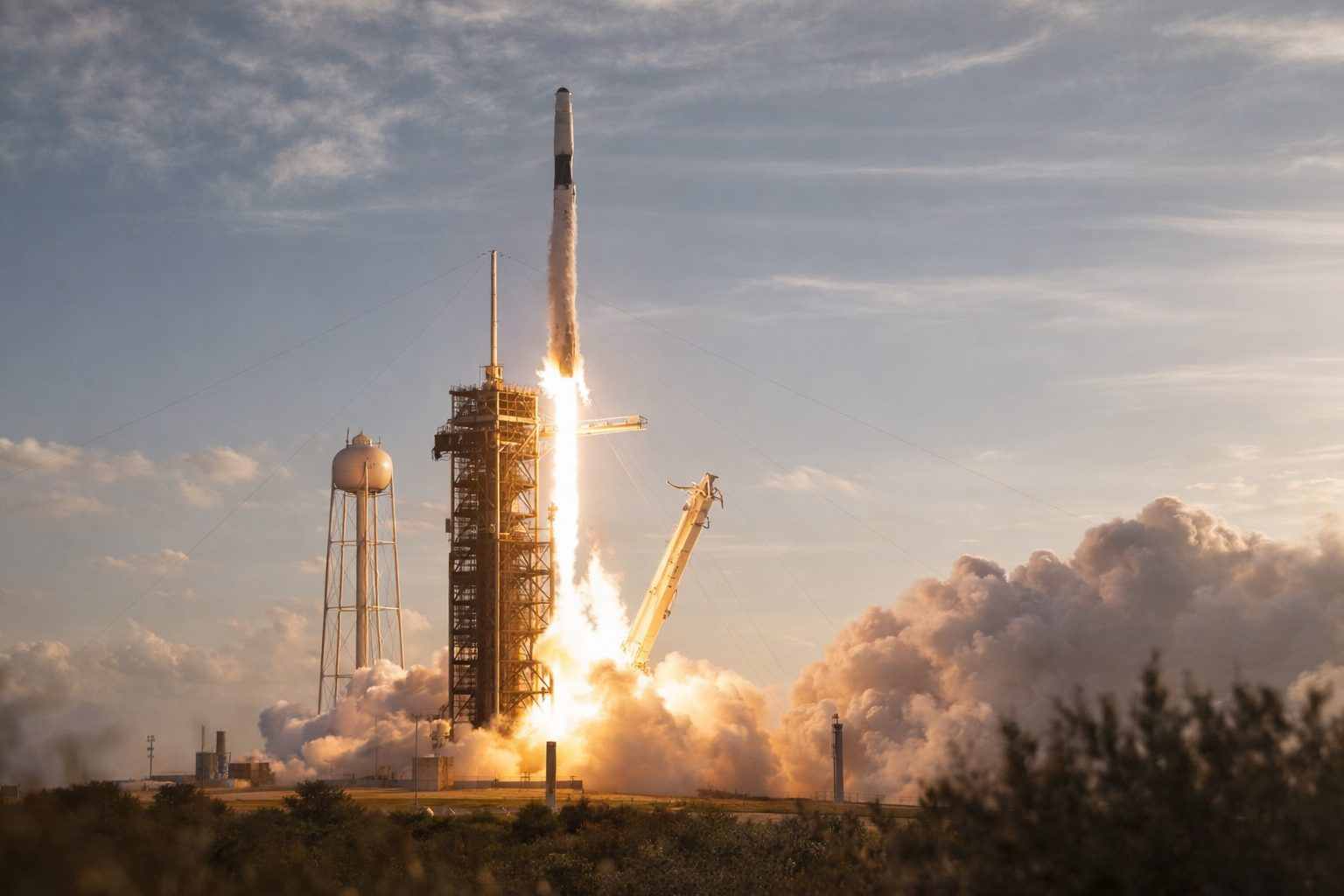
SpaceX operates at the core. It manages the Starlink satellite internet network and is building Starship, a next-gen rocket designed to be fully reusable—an effort to slash launch expenses in the long run.
Rivals are closing in, especially in satellite broadband. OneWeb, Starlink’s main competitor and owned by Eutelsat, remains the only other active low-Earth-orbit constellation. Recently, Eutelsat inked a launch deal with French startup MaiaSpace. “MaiaSpace will provide a complementary launch option alongside existing partners,” said Eutelsat’s chief engineering officer Arlen Kassighian. 3
The biggest question mark remains straightforward: SpaceX might not go public on the timeline investors expect. In a December letter to shareholders seen by Reuters, SpaceX CFO Bret Johnsen admitted, “Whether it actually happens, when it happens, and at what valuation are still highly uncertain,” despite the company gearing up for a potential IPO in 2026. 4
Right now, the market’s reading signals more than official filings — there’s chatter in reports, investor notes, and a sector gravitating toward defense budgets and massive constellations. If SpaceX goes ahead with an IPO, it might shake up pricing for both public competitors and private investors. If the IPO stalls, the funding narrative likely won’t disappear but could turn more uneven.