
Istanbul, April 26, 2026, 18:02 TRT
- Turkish Airlines is dropping 18 international routes in May and June, and Africa is especially impacted by the cuts.
- Airlines are slashing flights, adjusting their summer timetables to cope with Middle East airspace disruption and sluggish demand on less popular routes.
- Despite recent cuts in route capacity, the airline’s flight academy continues to build out its aircraft fleet—evidence that pilot training is still firmly on the agenda.
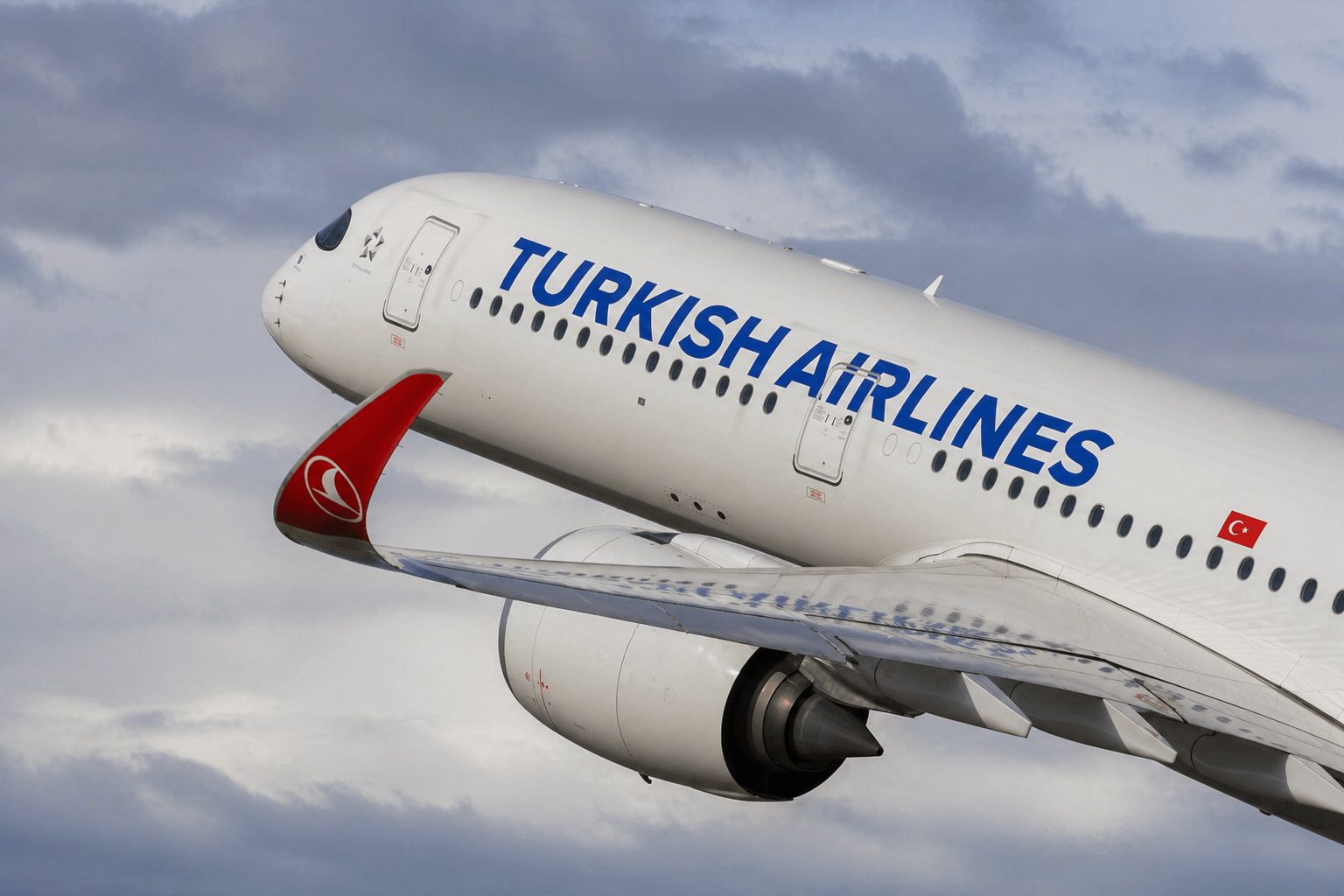
Turkish Airlines is set to suspend service to 18 international destinations starting May and June, with the carrier rolling out a significant summer overhaul from its Istanbul hub.
The scale of the cuts stands out—these aren’t minor trims. According to AeroRoutes, suspended routes now include Aqaba, Billund, Bissau, Ferghana, Freetown, Havana, Hurghada, Juba, Kinshasa, Kirkuk, Leipzig/Halle, Libreville, Luanda, Lusaka, Monrovia, Najaf, Pointe Noire, and Turkistan.
The cuts target regions spanning Africa, the Middle East, Europe, and Central Asia—areas where low demand, pricier operations, or hazardous airspace can rapidly make flights unprofitable. According to Aviation A2Z, some of these suspensions last only until late October. Others aren’t set to resume before March 2027.
Some onward connections are being cut, but city pairs with stronger traffic are holding their place. Accra and Dakar keep their flights, while Monrovia and Bissau are now off the map for those routes. Dar es Salaam is still included; Lusaka, though, is dropped. The planned restart to Juba won’t happen, so Asmara turns into the new endpoint. Eastleigh Voice says the changes will take more than 100 weekly departures off the timetable—if you count round trips, that’s over 200 flights gone each week from May through October.
This shift follows a wave of schedule changes from other airlines operating in the Middle East. On April 24, Reuters pointed to Lufthansa Group, British Airways under IAG, and Turkish discounter Pegasus as some of the carriers cutting back, postponing, or suspending flights amid ongoing disruptions in the region.
Turkish Airlines isn’t taking a uniform approach. Textron Aviation announced that Turkish Airlines Flight Academy has inked a deal for 10 more Cessna Skyhawks, with deliveries kicking off this year. The academy currently runs a fleet of 66 Skyhawks, according to the company.
“This order reflects Turkish Airlines Flight Academy’s confidence in the Skyhawk,” said Lannie O’Bannion, Textron Aviation’s senior vice president for sales and marketing, in the company’s statement. The Skyhawk, a single-engine trainer, is commonly used by flight schools for pilots logging initial hours ahead of moving up to more complex aircraft. Txtav
The split is striking. While route planners pull back on flights facing tough demand, rising costs, or airspace hurdles, the airline’s training division is ramping up with more pilot slots for the future. ASATUNews called it “route restructuring alongside training-fleet expansion.” Co
There’s a risk the suspensions could drag on or even widen, should fuel prices and limits on regional airspace remain unpredictable. On its website, Turkish Airlines flagged that flights in and out of Iran and neighboring regions had been canceled, with a warning that “additional flight cancellations may occur,” ASATUNews reported. Co
Passengers will notice the changes on certain routes, not across the whole network. Turkish Airlines is dropping some city connections entirely, but key intermediate destinations still show up in the new schedules. It’s a cutback in capacity, not a reversal of the airline’s overall expansion ambitions.