
London, May 15, 2026, 11:05 BST
- Fundsmith, run by Terry Smith, exited its Unilever position—putting a sharper spotlight on the McCormick food deal.
- Unilever investors gave the green light to all 21 resolutions at the AGM. Nelson Peltz stays on the board after shareholders supported his re-election.
- The company insists the deal will streamline Unilever, but detractors point to unresolved hurdles: execution, leverage, and ESG risks remain.
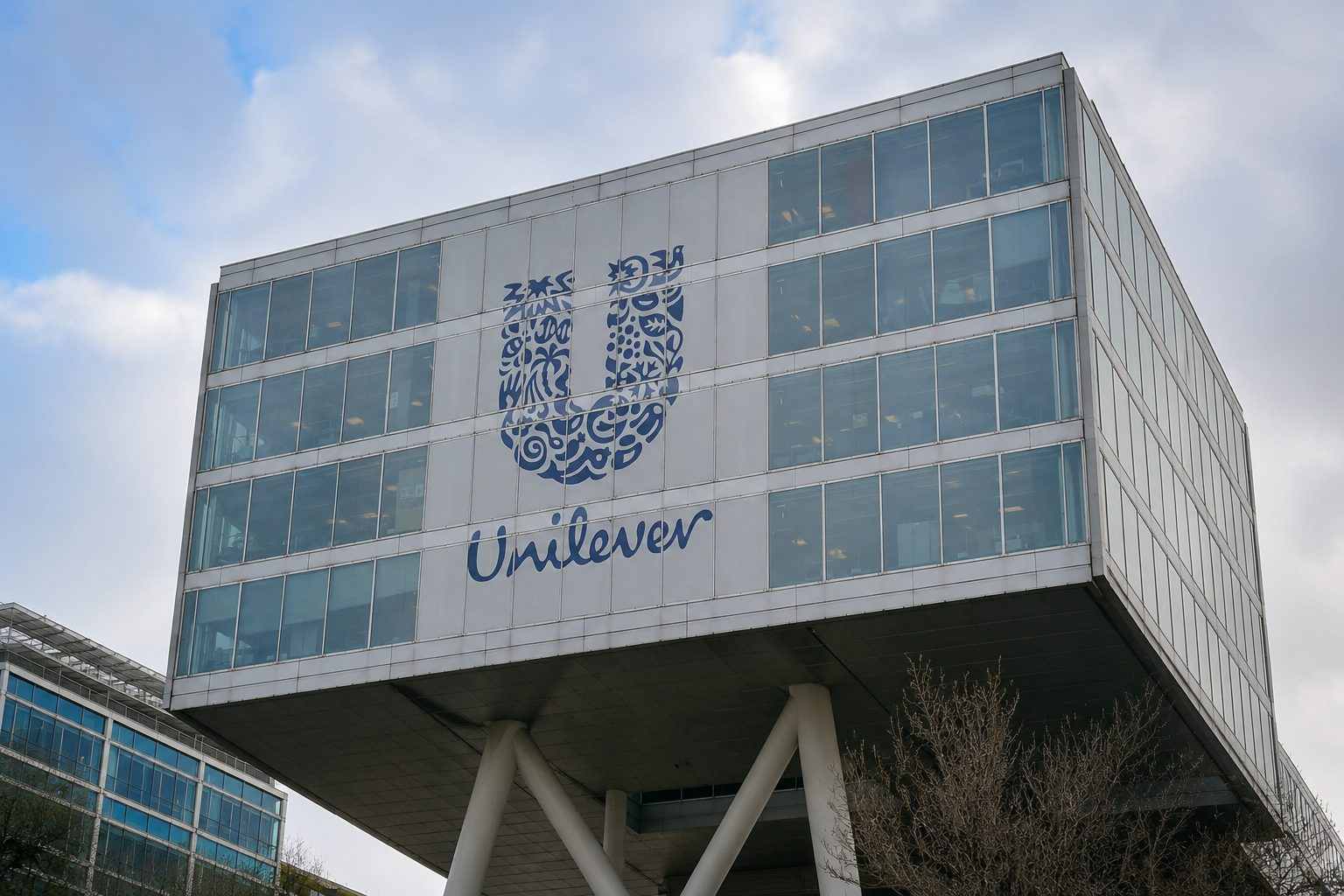
Unilever PLC finds itself under sharper scrutiny after Fundsmith’s Terry Smith exited his position, criticizing the shift from fixing operations to splitting up the business and tying its foods unit to McCormick. Smith’s departure—flagged by The Times—lands one of the group’s most prominent shareholders in open opposition to CEO Fernando Fernández’s most significant move to date.
Timing is key here. Unilever’s board won shareholder support at Wednesday’s annual meeting, but the McCormick deal skips a Unilever shareholder vote under UK listing rules, the company said in its announcement. Closing is targeted by mid-2027. The deal still needs McCormick shareholder approval, regulatory sign-off, and other standard conditions.
Speaking to City AM, Smith accused Unilever of dropping its “promised operational focus” in pursuit of “activist-driven break-ups.” He also took aim at the sale of the food division to McCormick, saying, “whose management and returns we do not rate highly.” According to the report, Fundsmith had counted among Unilever’s top-10 shareholders for over 15 years. City AM
No signs of upheaval in the AGM tally. The U.S. Securities and Exchange Commission filing confirms all 21 proposals cleared the bar. Fernández secured re-election with a resounding 99.34% backing. Nelson Peltz, the activist, kept his seat with 98.35%. The buyback mandate? Approved by 99.79% of voting shares.
Unilever stock edged just 0.18% higher to 4,231.25 pence in early London trading, based on a Cboe Europe real-time estimate. The reaction hints that investors remain focused on the broader portfolio narrative, not viewing Smith’s departure as a headline surprise.
Everything hinges on the food deal. Unilever is folding brands like Hellmann’s and Knorr into a new entity with McCormick, the U.S. firm behind French’s mustard and Cholula hot sauce, pricing Unilever Foods at roughly $44.8 billion. In the structure, Unilever and its shareholders keep a 65% stake in the merged group and pocket $15.7 billion in cash. The company says it will use the cash to slash debt and fund €6 billion in buybacks.
This one’s structured as a Reverse Morris Trust, a tax-friendly U.S. merger that pairs a spun-off unit with another player. Once the deal wraps, Unilever shareholders should end up with 55.1% of the combined entity, McCormick holders take 35%, and Unilever retains a 9.9% slice. McCormick keeps its New York listing, and it’s aiming to add a secondary one in Europe.
Unilever says spinning off the division will sharpen its focus on home and personal care—covering beauty, wellbeing, personal care, and home care. In the first-quarter update, Fernández said Unilever “started the year well” with growth driven by volume, and the company remains confident in meeting its full-year outlook.
Management has that operating track record in hand. Underlying sales growth hit 3.8% in the first quarter—a figure that excludes currency swings and changes to the portfolio. Volume drove much of that, up 2.9%. Home Care posted a 6.1% gain. Foods, though, only managed 2.2%, making it the laggard among Unilever’s core divisions.
Not everyone’s on the bearish side. This week, JPMorgan’s Celine Pannuti held her Buy call on Unilever, according to MarketScreener. The overall analyst consensus on the site? “Outperform.” That stands in contrast with Smith’s comments, underscoring a market that’s divided rather than unanimous. MarketScreener
The risks are clear. The deal could run into delays, tougher regulatory demands, or headaches from integration, debt, and sustainability promises. Investors are pressing for clarity that the McCormick-led group will maintain Unilever’s standards on deforestation-free sourcing. Storebrand’s Vemund Olsen told Reuters he’s looking for “best practice” assurances. As You Sow’s Cailin Dendas cautioned that falling short could pose “significant risk” for shareholders. Reuters
Cost inflation is biting. Last month, Unilever CFO Srinivas Phatak flagged that price pressures were running €350 million to €500 million higher than the company had projected. He called upcoming price hikes “small doses.” If consumers balk, simply streamlining the product lineup won’t solve the margin squeeze. Reuters
That context sheds light on Unilever’s determination to move forward. Over at Nestlé, the company is in the process of divesting its last internal ice cream businesses and pivoting more toward categories like coffee, petcare, nutrition, food, and snacks. Simply being big doesn’t carry the weight it once did in consumer goods.
Former Unilever businesses remain in the spotlight. On Friday, Reuters said Blackstone and Clayton, Dubilier & Rice were sizing up offers for Magnum, the ice-cream maker behind Ben & Jerry’s. Unilever, which kept a stake of under 20% after spinning off Magnum, plans to gradually reduce its holding.
Fernández has secured the board’s backing, but the real test will be whether investors buy that Unilever’s streamlining isn’t just a forced breakup—especially if the numbers don’t stack up.