
SYDNEY, July 9, 2026, 05:02 AEST
- Westpac added 0.33% on Wednesday. The S&P/ASX 200 lost 0.21%.
- Banks got a lift with investors shifting into defensive names.
- RBA rate risk, oil shocks, and mortgage competition are still hanging over the market.
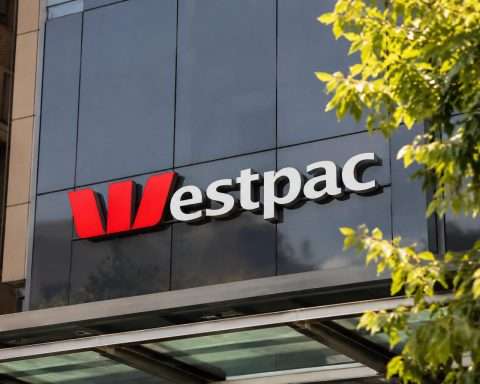
Westpac Banking Corporation ASX:WBC shares traded a bit higher on Wednesday, defying losses across the wider Australian market. Investors moved cash into banks and other defensive stocks, with the session hit by fresh U.S.-Iran worries and miners down.
Westpac ended the session at A$36.25, rising 0.33%. Shares traded from A$35.34 to A$36.47. The S&P/ASX 200 dipped 0.21% to 8,785.10. Westpac outperformed the index but lagged some other major banks for the day. Google
Banks have acted as a partial haven in a rough market, though the picture isn’t clear-cut. Financials outperformed as the ASX pulled back from heavier falls earlier, but mining, telecoms, and tech names weighed on the index.
Commonwealth Bank of Australia ASX:CBA climbed 0.89% to A$168.18. National Australia Bank ASX:NAB traded up 0.94% at A$39.59, and ANZ Group Holdings ASX:ANZ added 1.21% to A$35.87. Westpac saw a smaller gain but stayed positive while the main index eased back. Google Google
Rates are still the main concern for Westpac. The Reserve Bank of Australia has kept its cash rate at 4.35% after raising it three times this year and then pausing in June, according to RBA data.
RBA Assistant Governor Sarah Hunter said Wednesday confidence took a hit from the recent oil shock, but activity hasn’t dropped off sharply yet. “The Board will continue to act as needed,” Hunter said, leaving open the chance for more tightening. Reuters
That goes both ways for Westpac. Higher rates can help bank income, but they can also put pressure on borrowers, weaken credit demand and increase the risk of loan losses. Westpac said its first-half credit impairment charge went up to A$443 million from A$250 million the prior year, showing a more cautious approach and extra provisions for customers exposed to the energy sector.
Net interest margin is still under pressure. Westpac’s margin in the first half fell three basis points to 1.89%. One basis point equals one-hundredth of a percentage point. Westpac pointed to tougher lending competition, higher credit charges and lighter treasury income.
Westpac CEO Anthony Miller said the bank is resilient, though he stopped short of calling it immune. The lender reported a first-half profit of A$3.5 billion, excluding notable items, and announced a 77 Australian cent interim dividend. Miller said Westpac had “solid operating momentum” and pledged to back customers through uncertainty. Westpac
The risk is the uncertainty sticks around. Back in May, Miller said Middle East fighting was already driving up energy costs for both businesses and households. Westpac missed consensus on its first-half profit, Reuters reported.
Mortgage competition is heating up. News Corp Australia said several lenders have lowered home-loan rates even though the RBA kept policy steady, showing banks are still fighting hard for borrowers. Westpac is at risk if rivals keep trimming margins to keep or attract customers.
Some are pushing back on calls for more RBA hikes. Belinda Allen, who leads Australian economics at Commonwealth Bank, said the economy dodged the worst effects of the oil shock and doesn’t need further rate rises. She did say there are still risks.
Westpac shareholders are left with slim options now. If the economy softens but inflation cools off, that could hold bad loans in check, leaving no reason for more rate hikes. But if oil jumps again or the RBA hikes, stress on repayments goes up just as banks push for deposits and loan growth. Shares gained Wednesday, a sign there’s still interest in the banks. The underlying pressure hasn’t gone away.
Related articles: ASX:WBC